
Kyoto is one of the most visited tourist destinations in Japan, famous for the countless Buddhist temples, historical and cultural heritage. Because of its popularity, the city is very English friendly – I did not use the translator on my phone at all.
It is a 2-hour train trip to get to Kyoto from Kobe, and would probably take a little longer than that to get from Kyoto to the modern capital of Japan. The city is so vibrant and reach that you would not be able to get away with one day trip – I visited it three times, and would definitely go the forth!
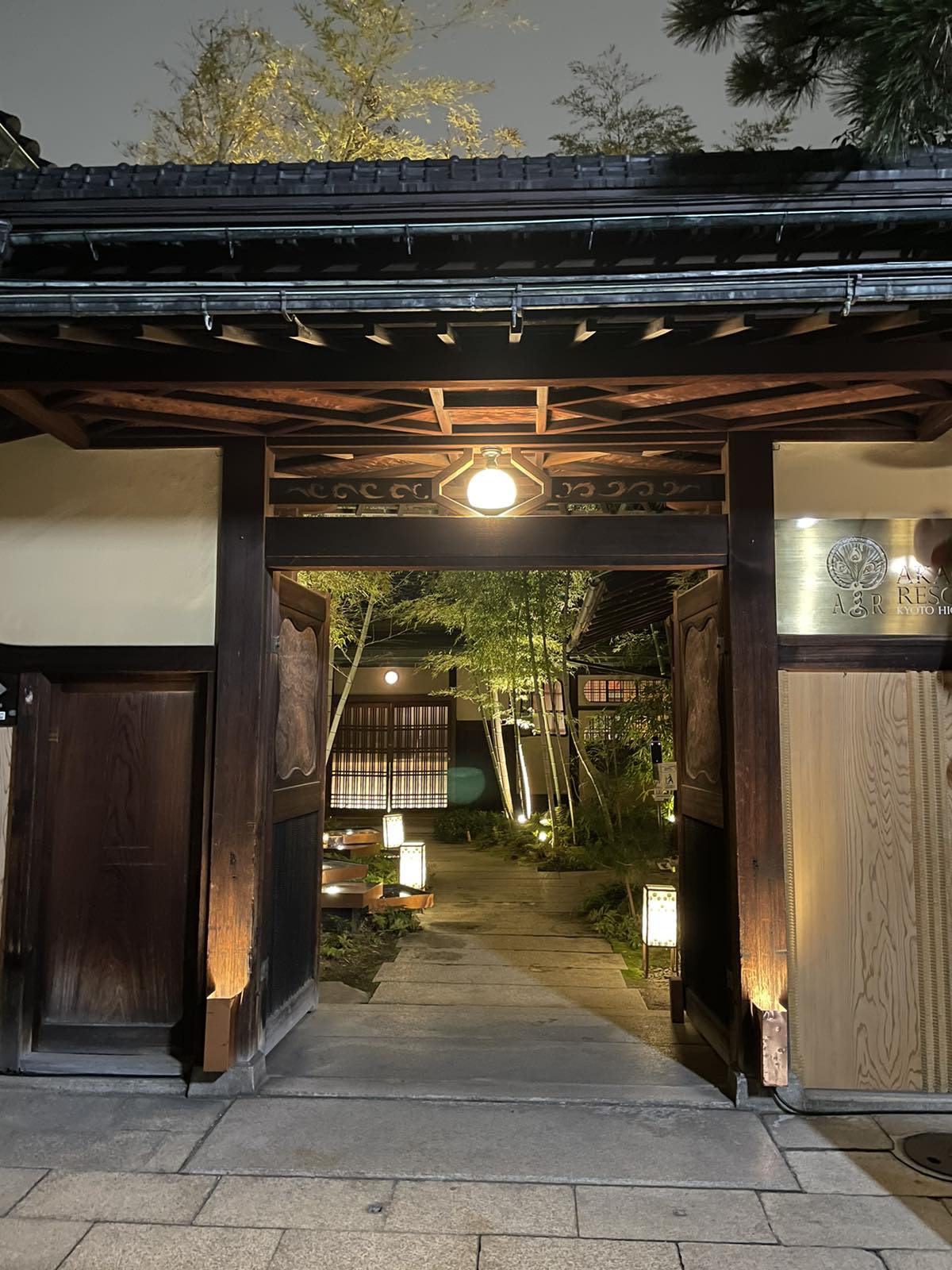
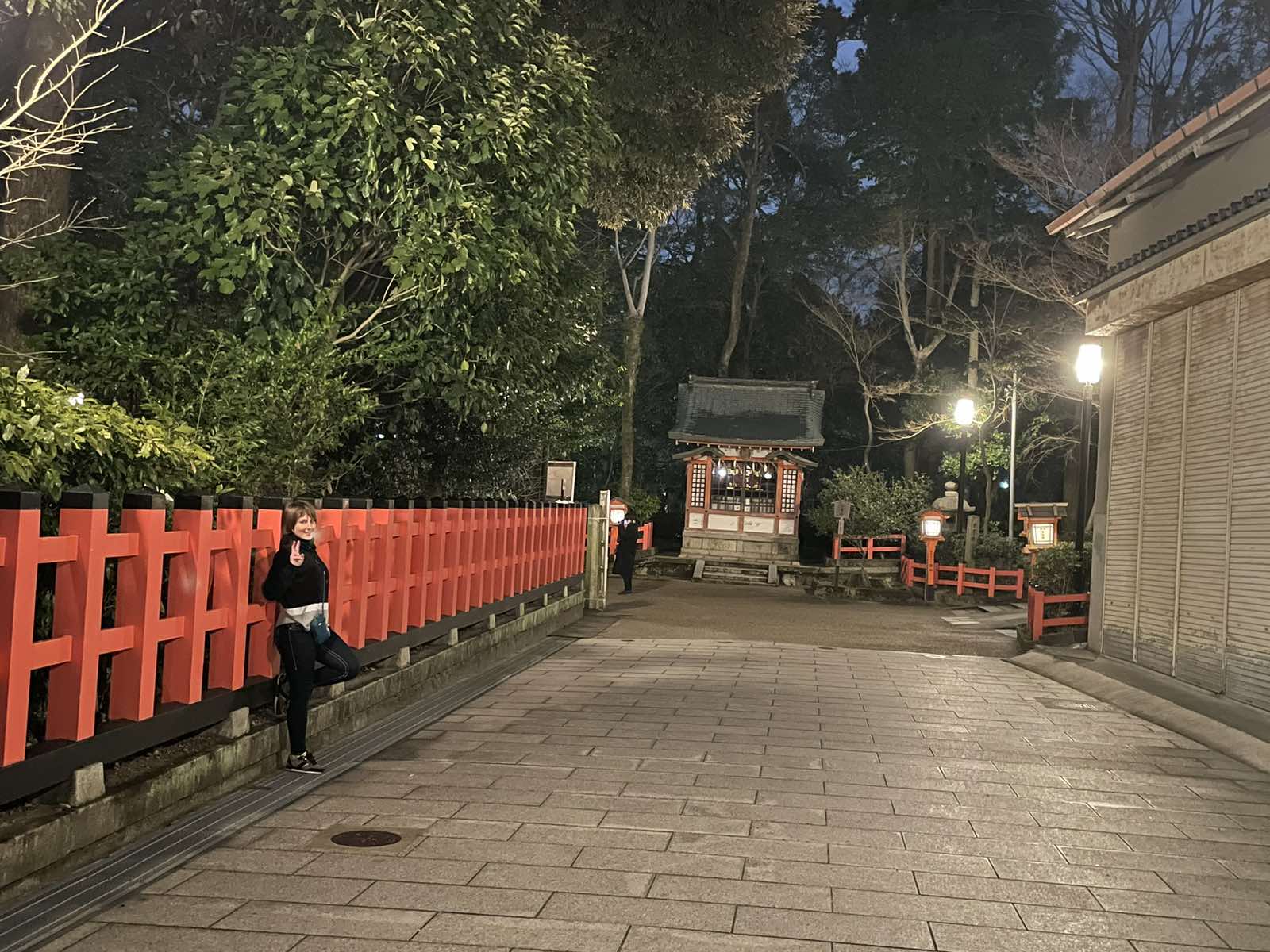
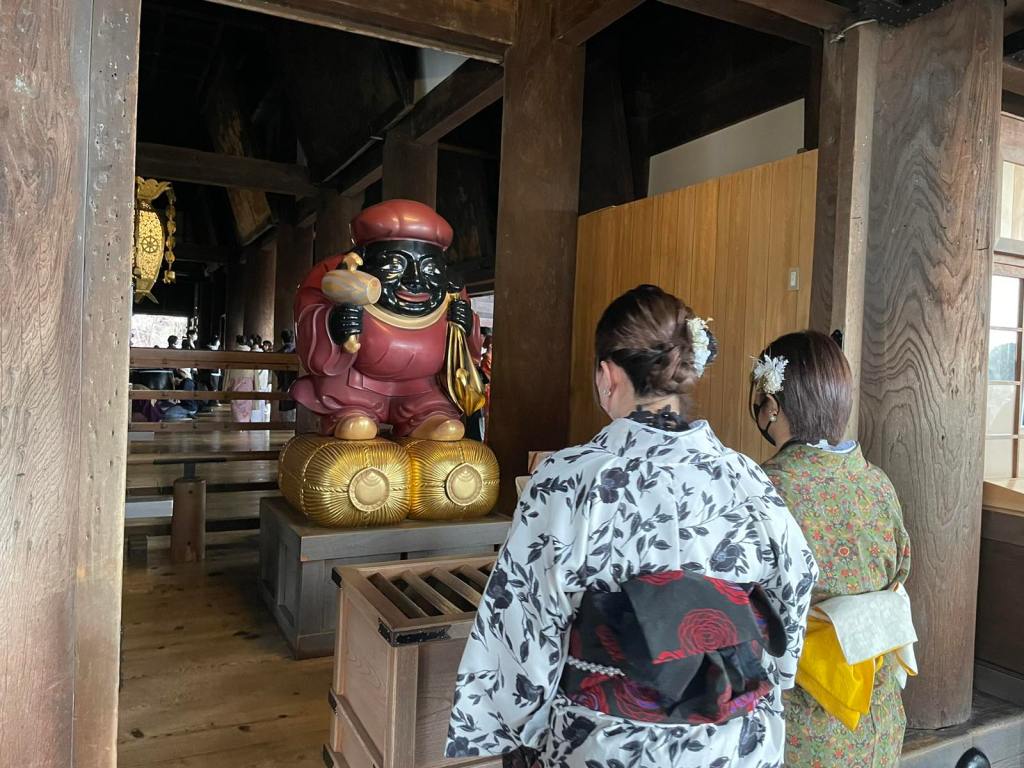
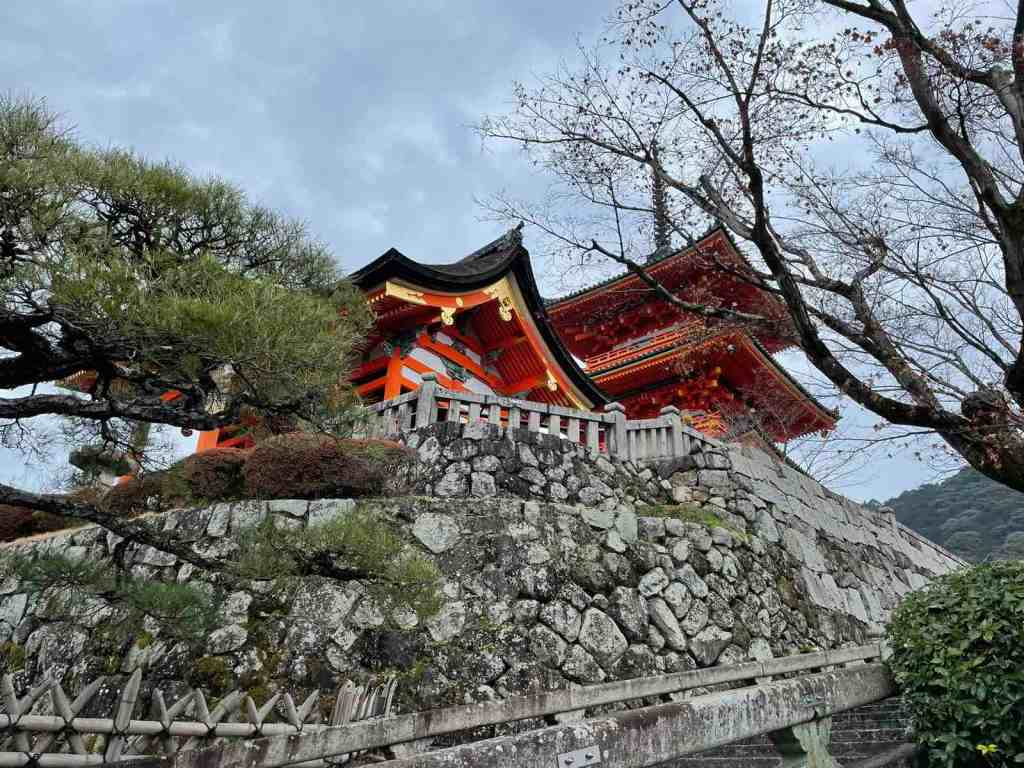
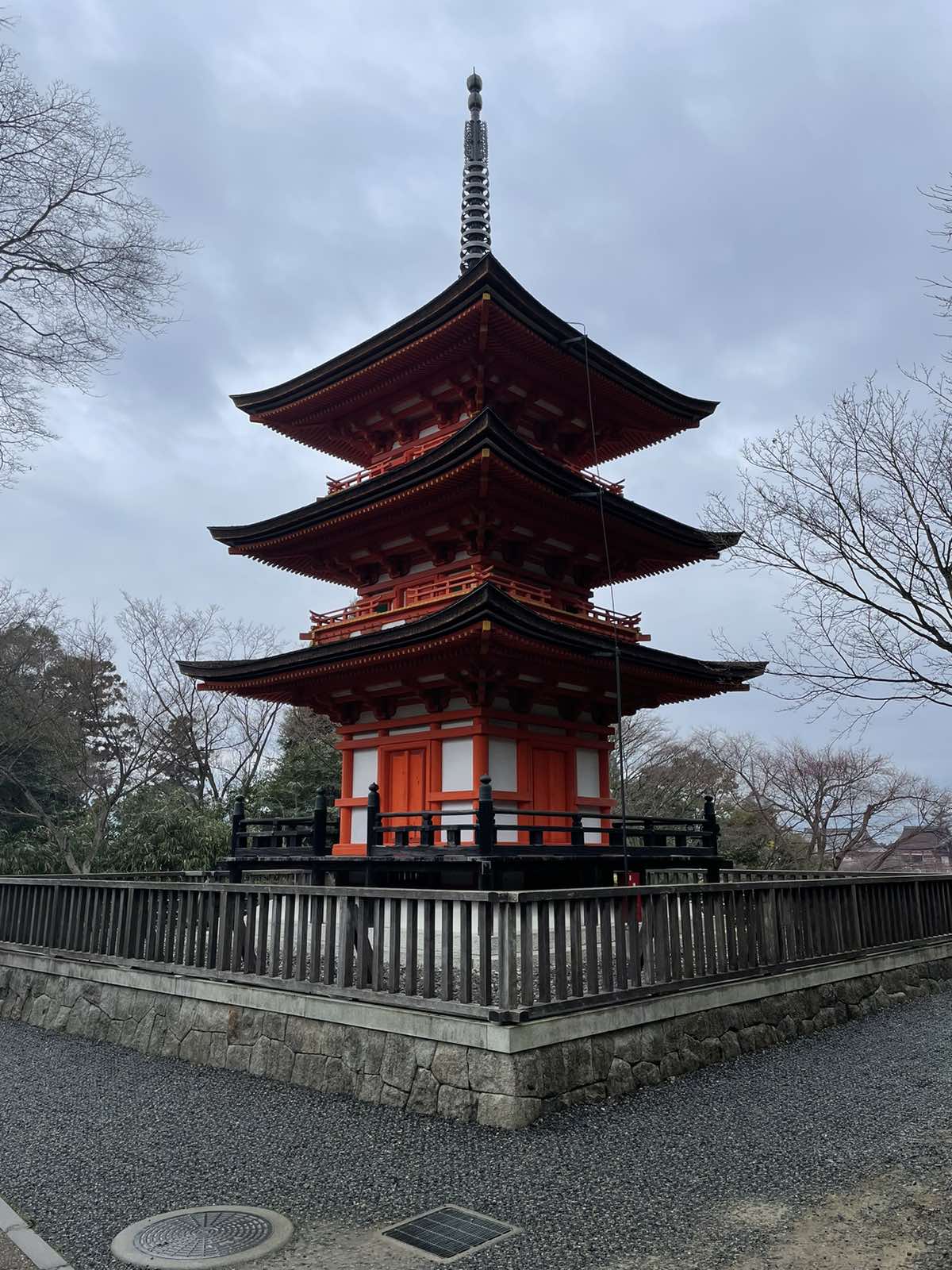
My first visit was dedicated to Higashiyama Ward – Kiyomizu. A buddhist temple complex located on the top of the mountain in the East of Kyoto, founded in 788. For the 1200 years of its existence, Kiyomizu was burnt down and rebuilt numerous times. The current view was preserved since the ruling of shogun Tokugawa (great, and simply very smart Japanese guy). Kiyomizu became famous after the head monk’s prayers healed the wife of the shogun, followed by his military victories.
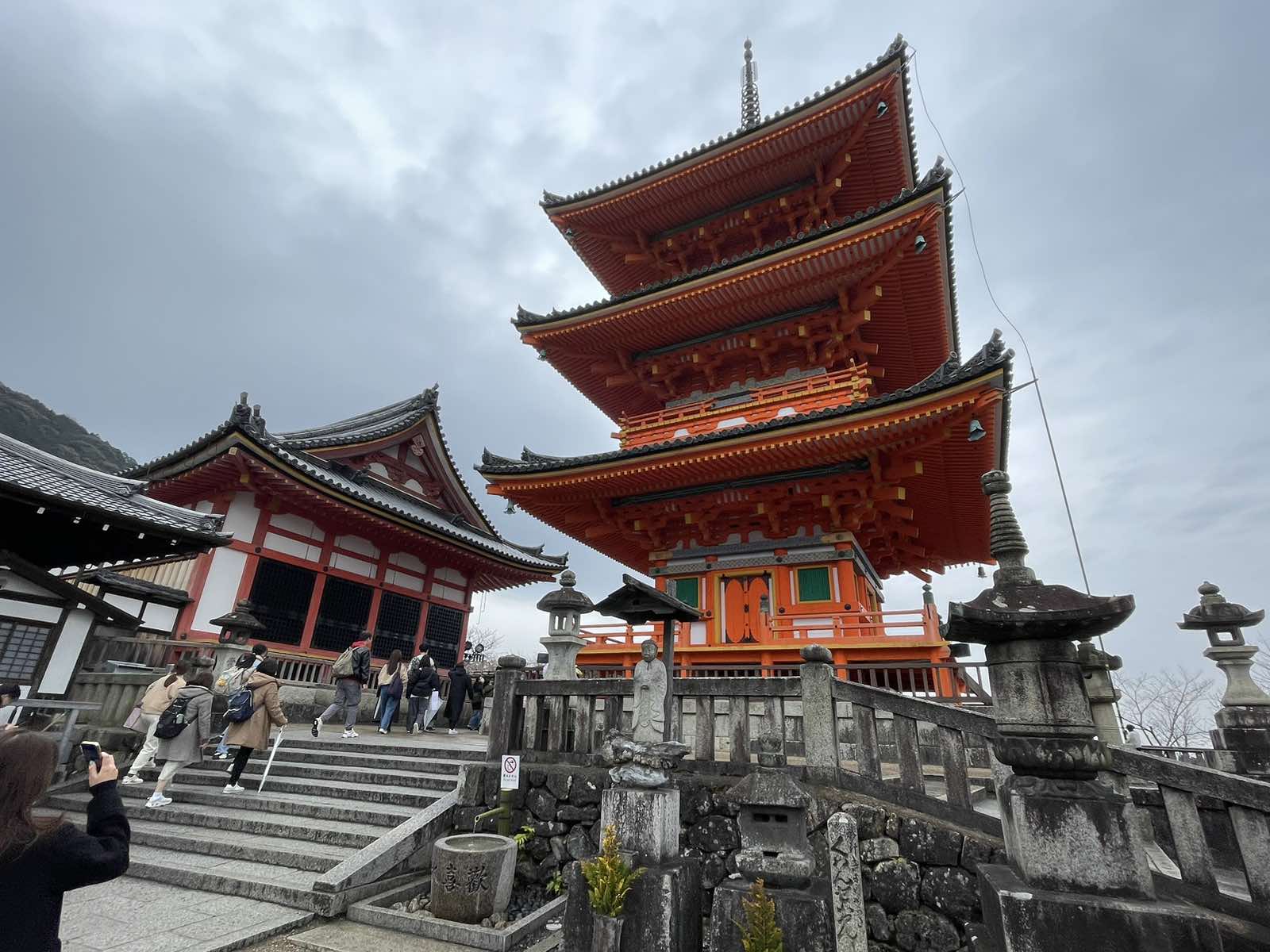
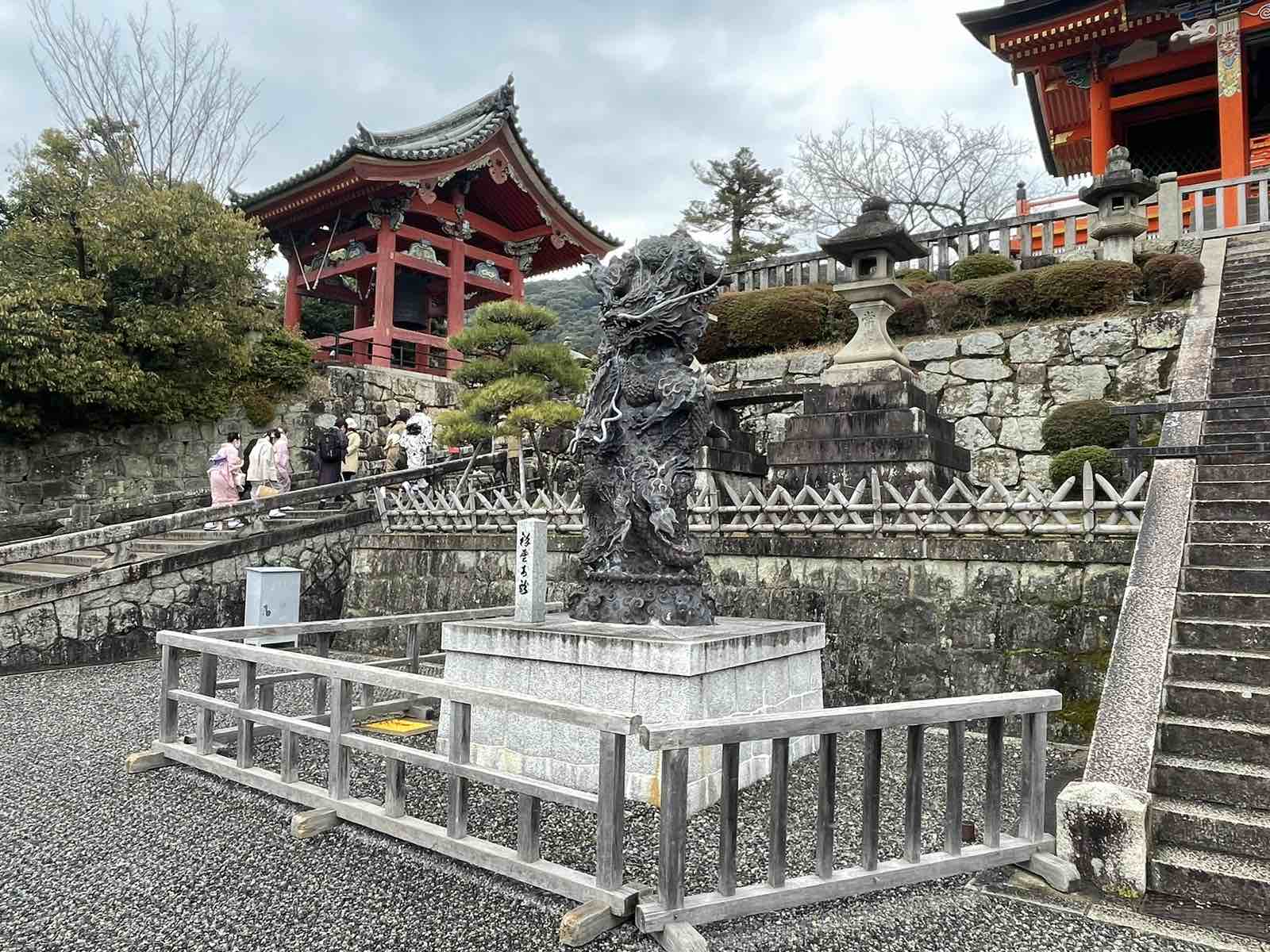
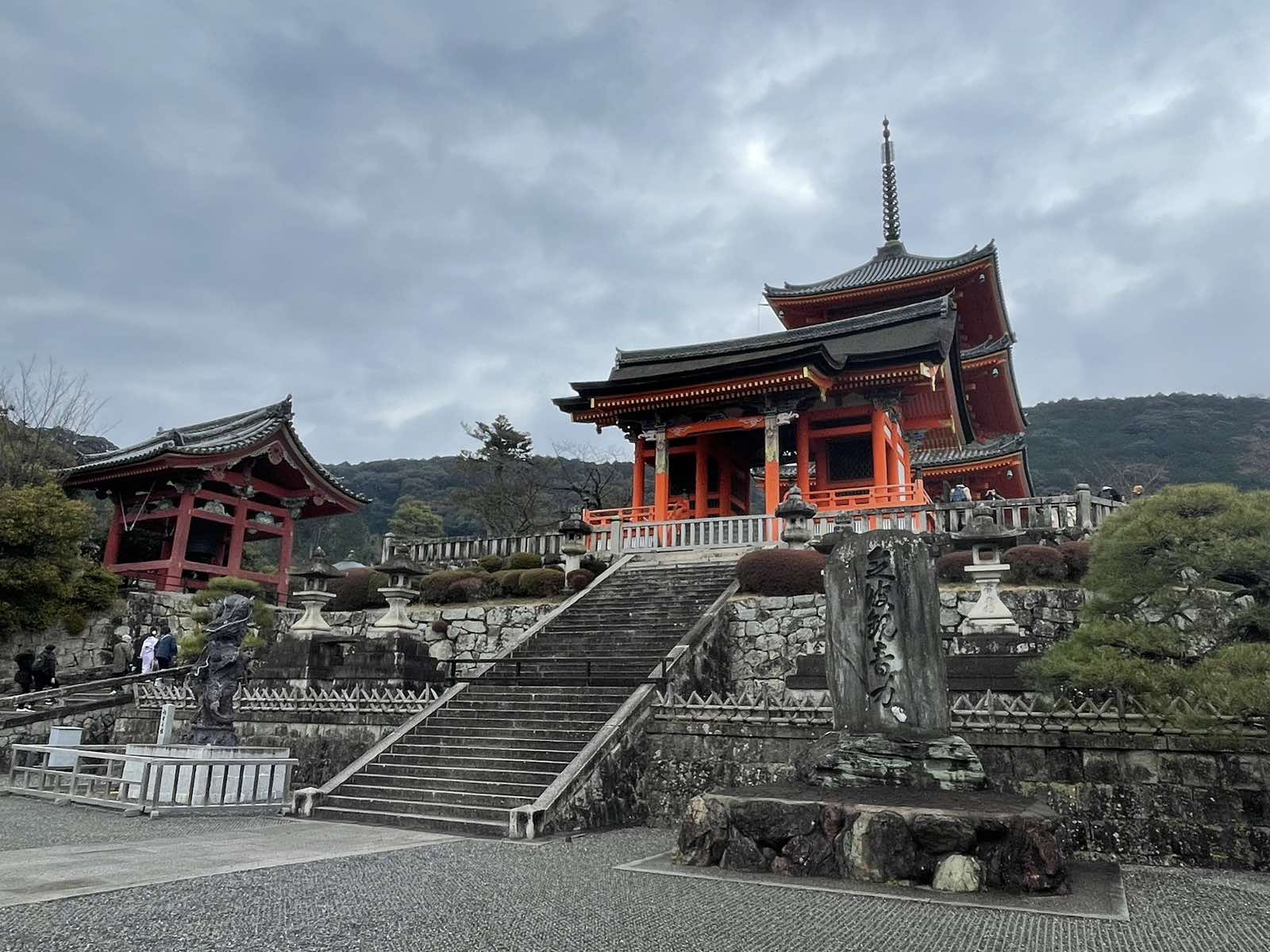
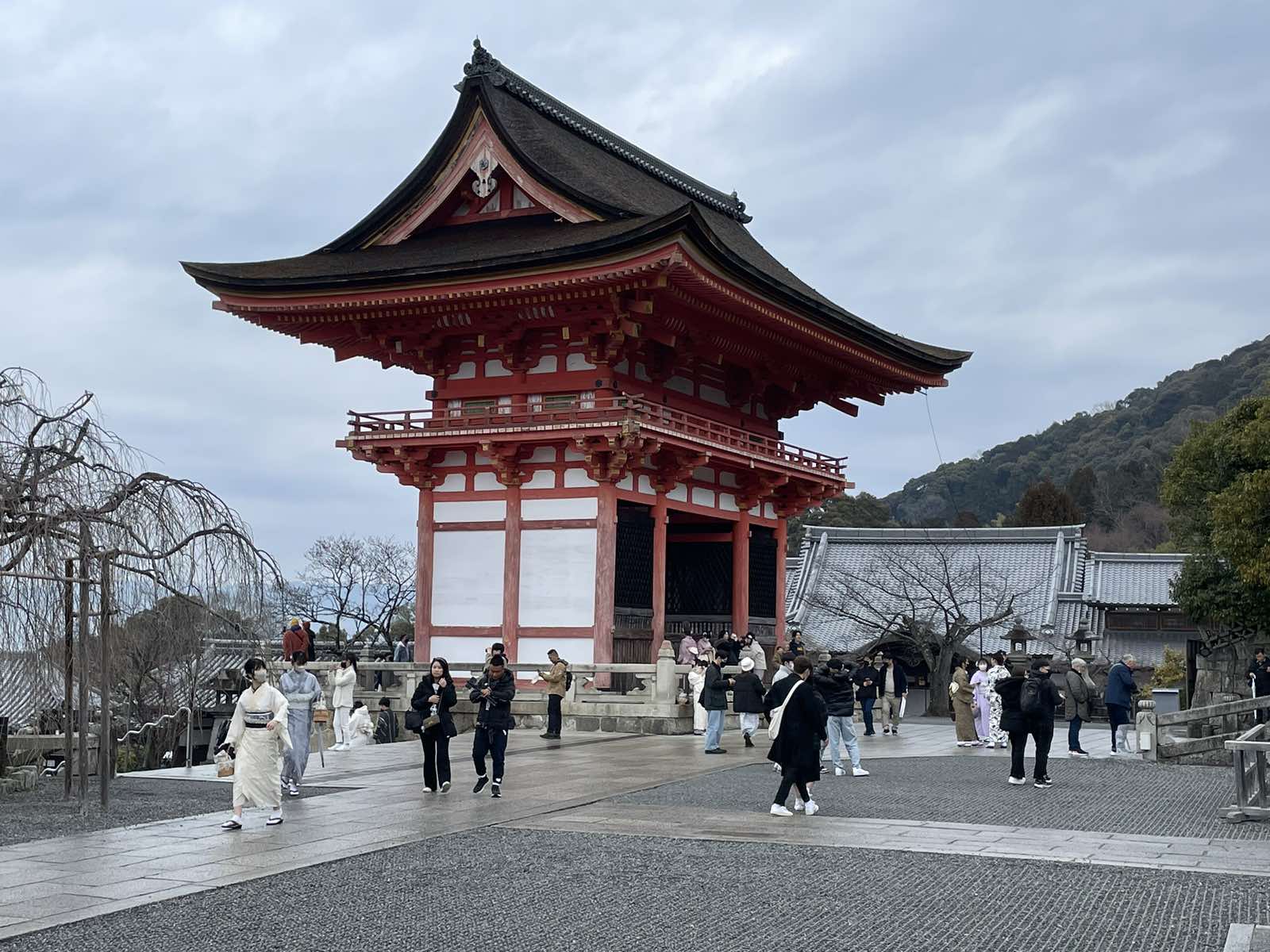
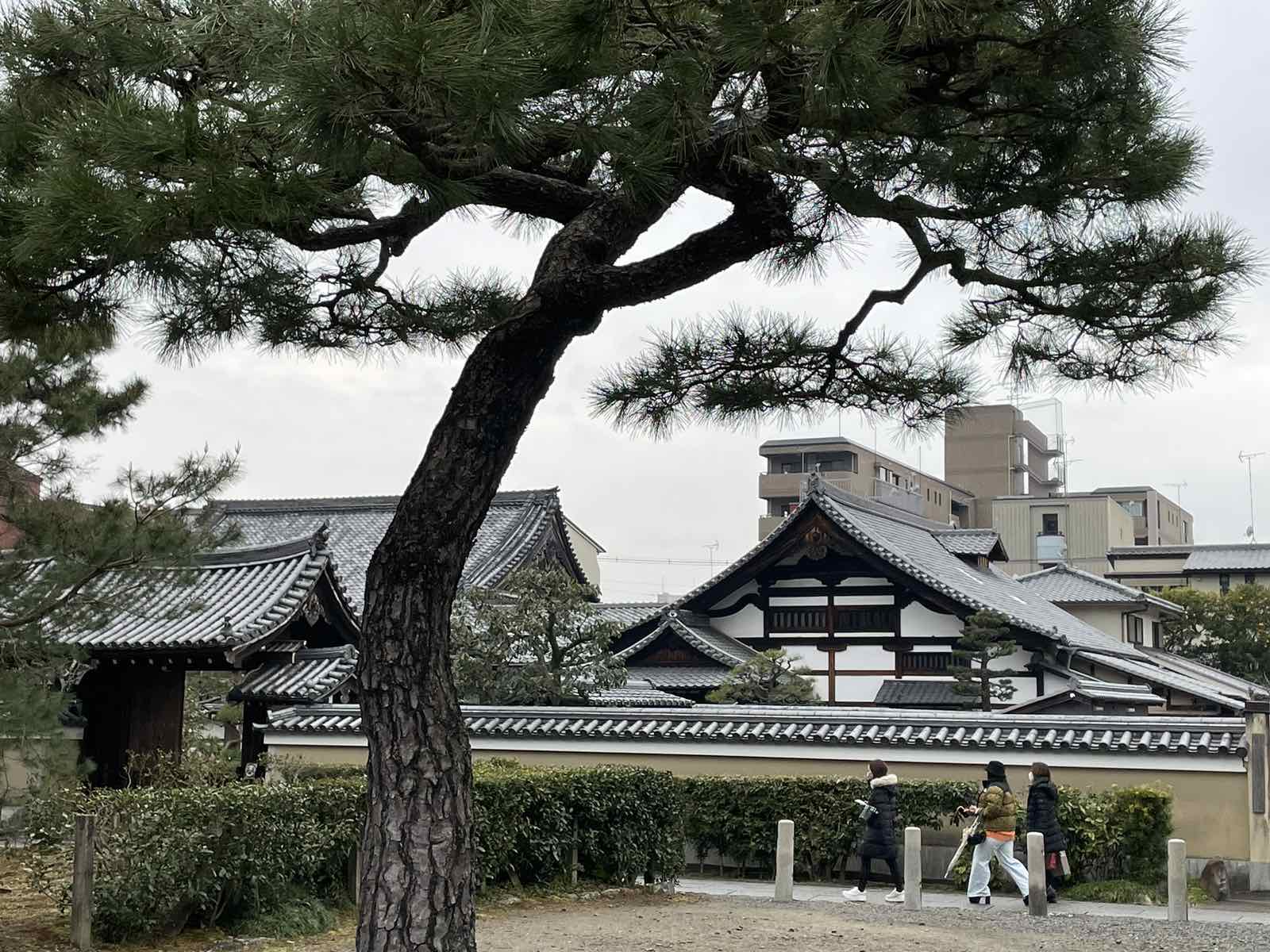
Below the temples, lies the cultural Kyoto, full of paved streets, smaller Buddhist temples, Kimono stores, etc.
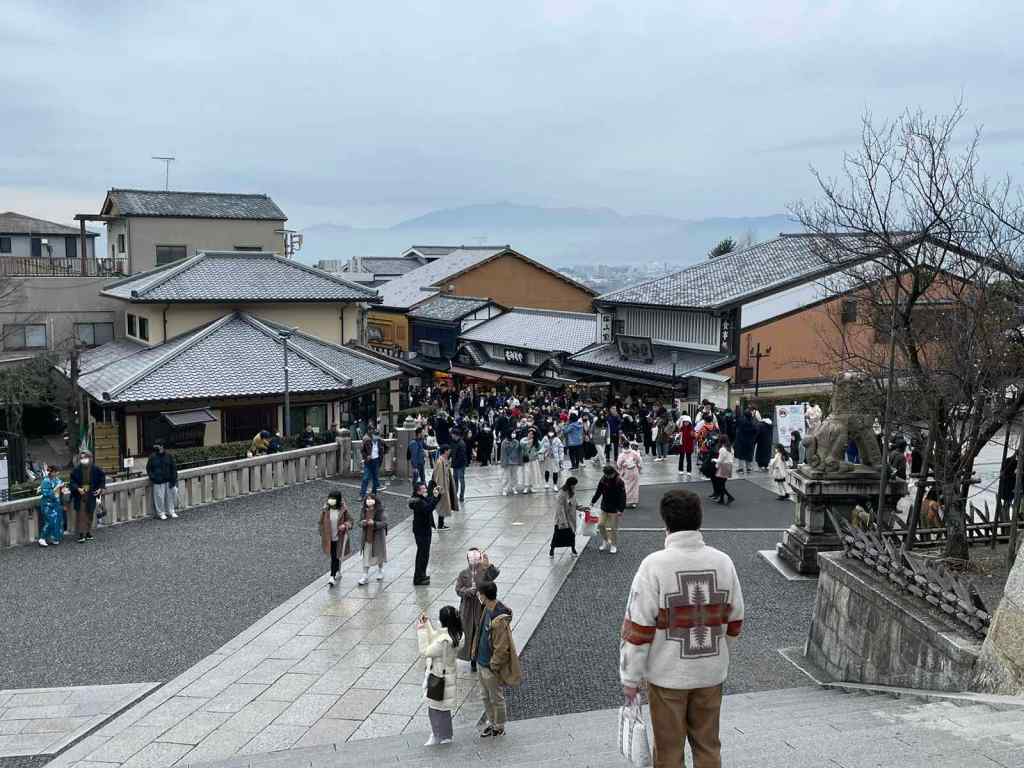
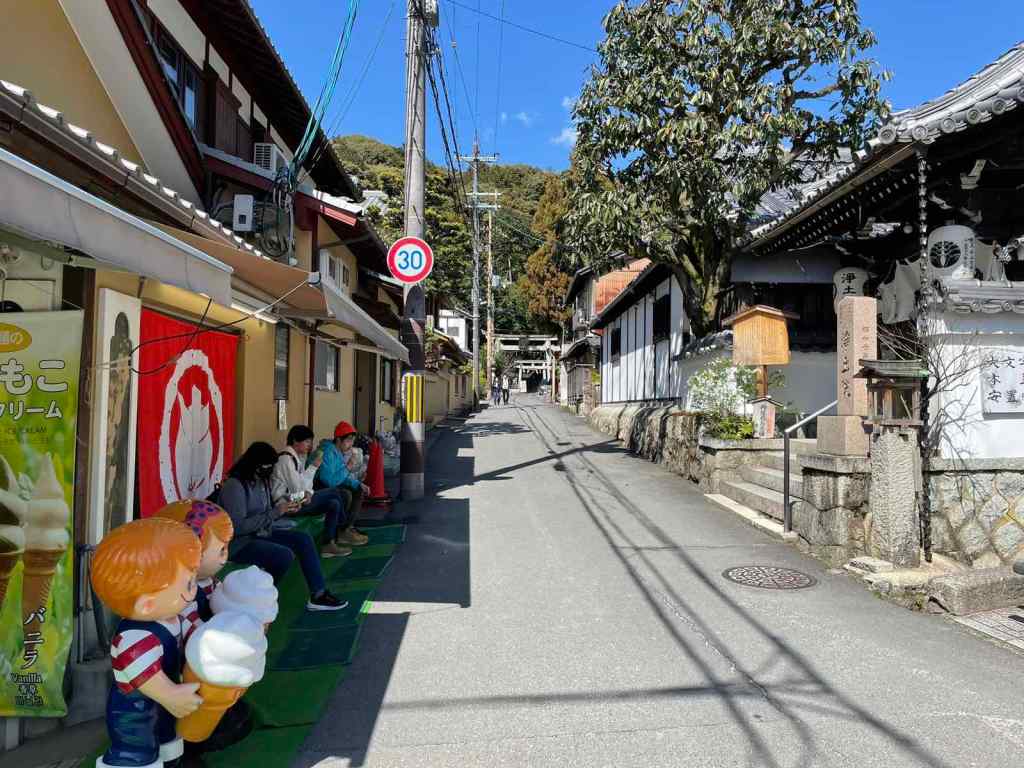
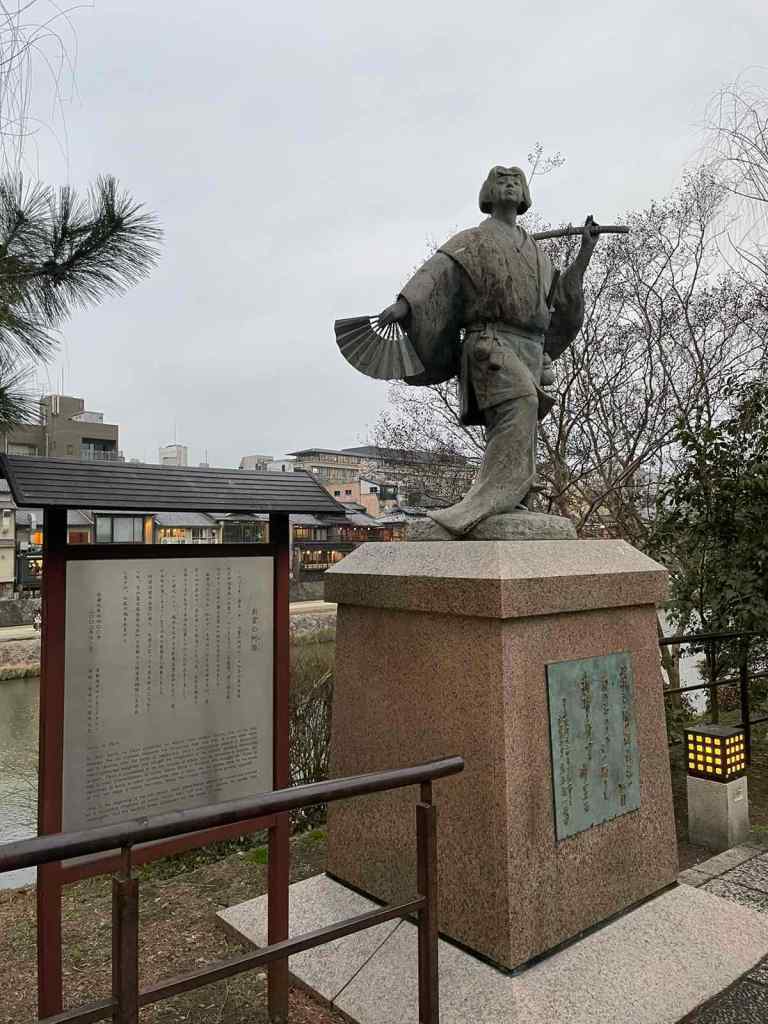
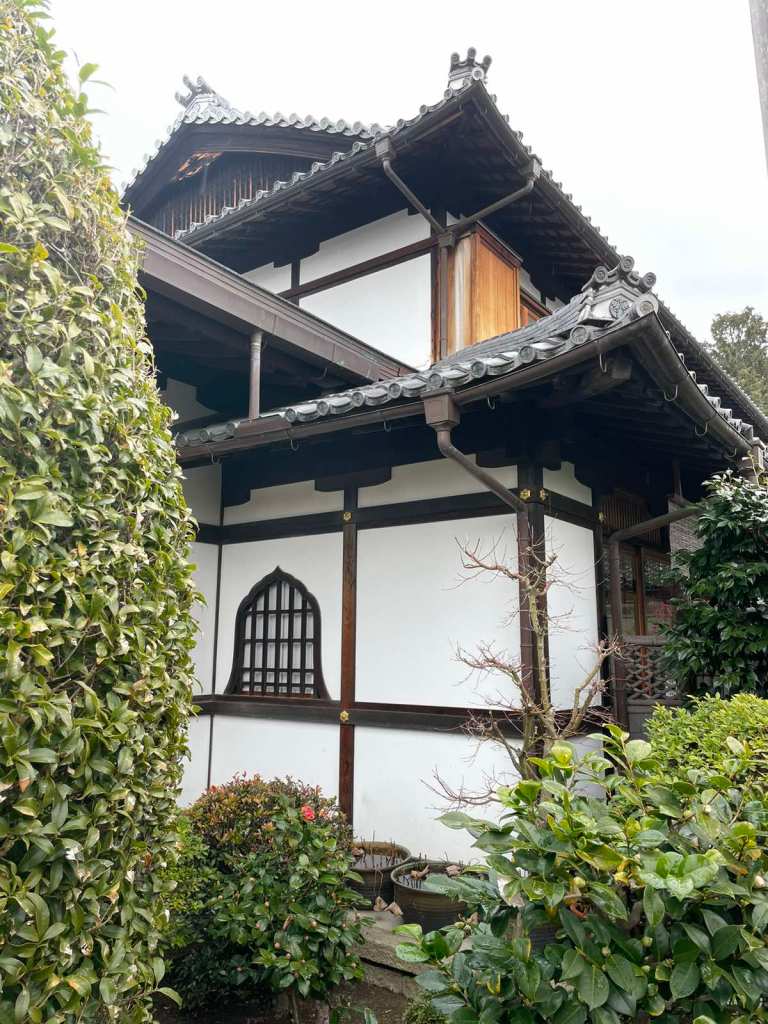
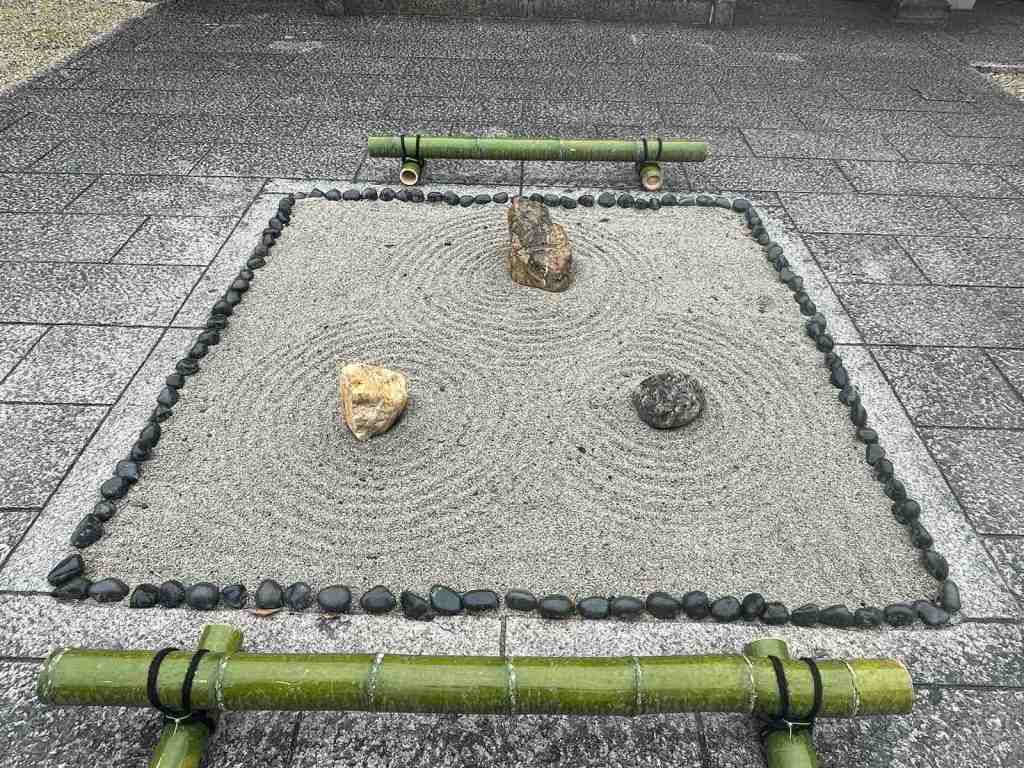
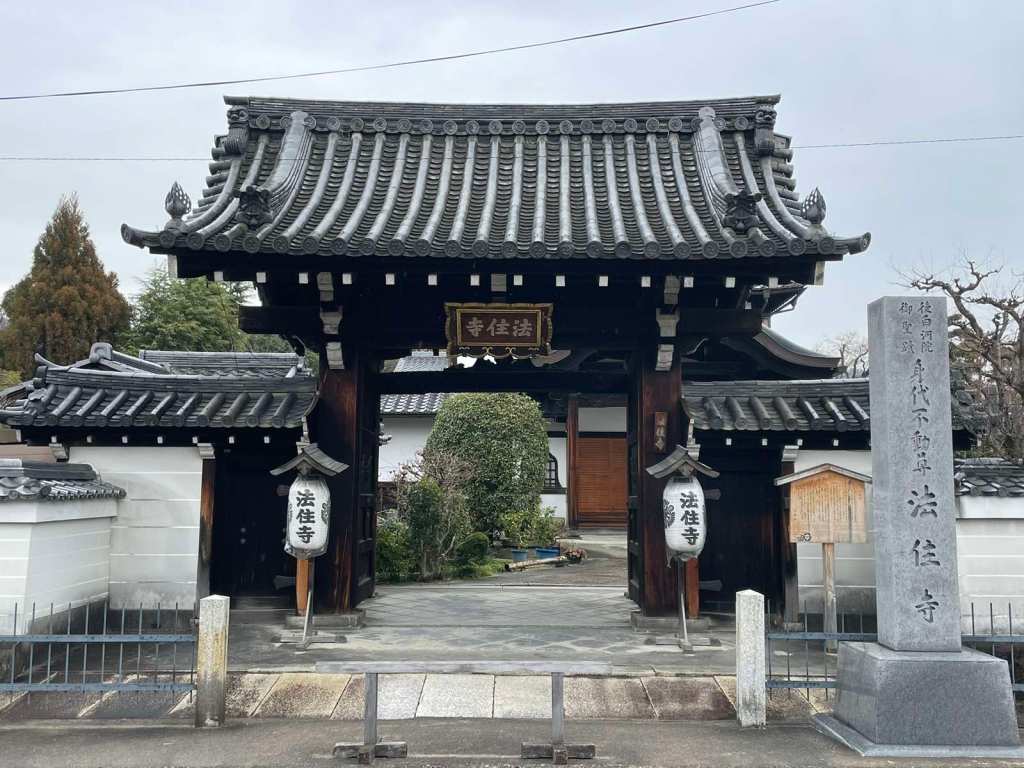
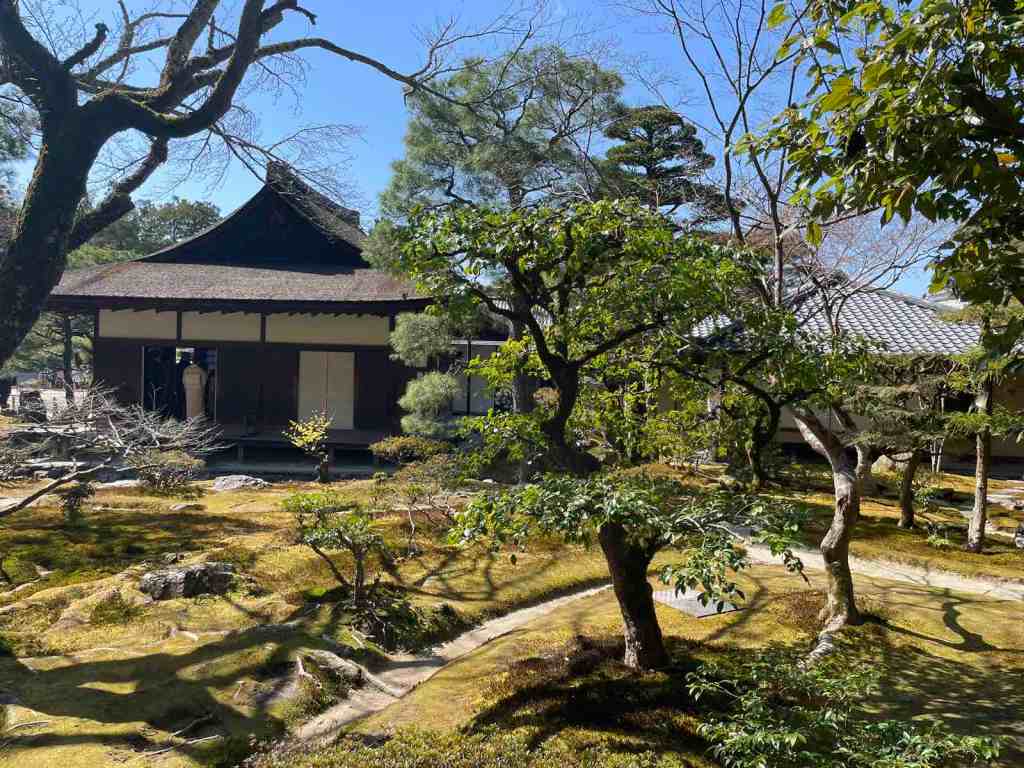
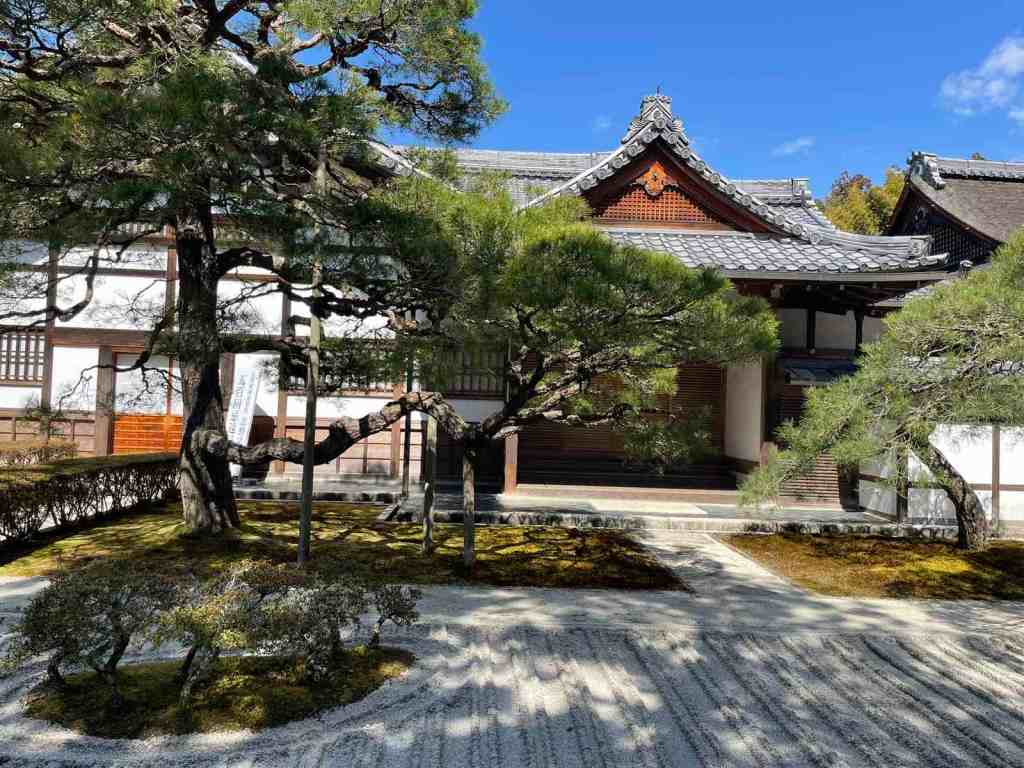
Kyoto is flooded with different shrines and temples. Big or small, they fill its streets, and no matter how well you know the city I bet there still are some you do not even suspect to exist. They welcome to visitors, but most of the time you are not allowed to take pictures indoors. Inside of one of such, there was a neat dzen garden:
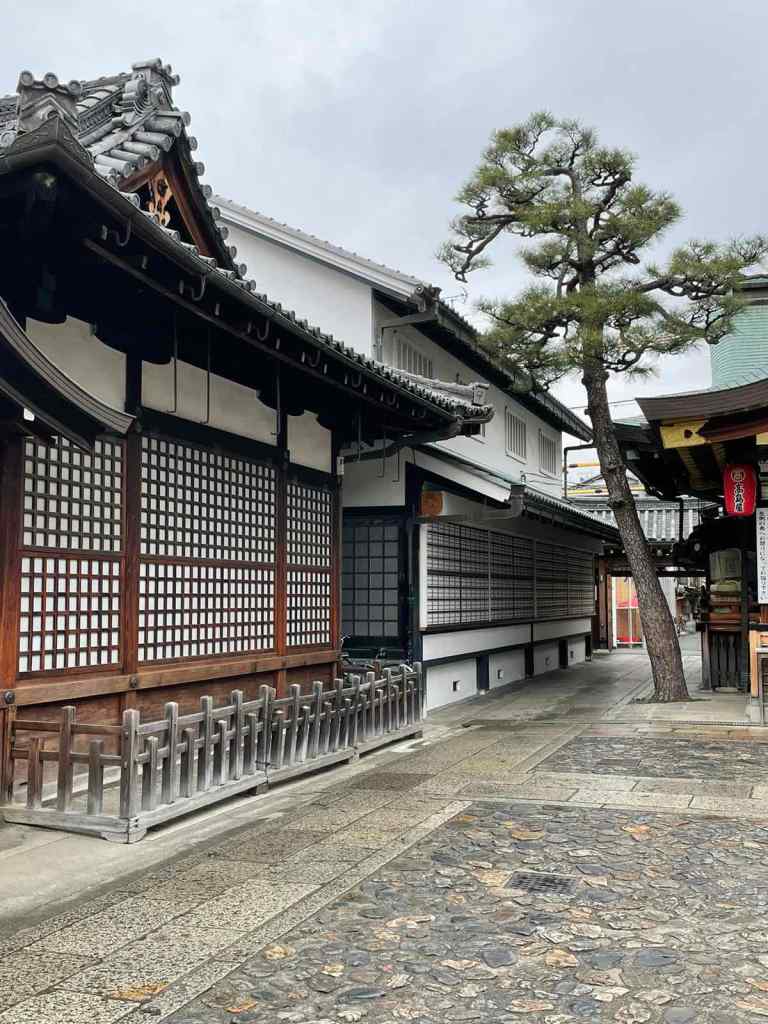
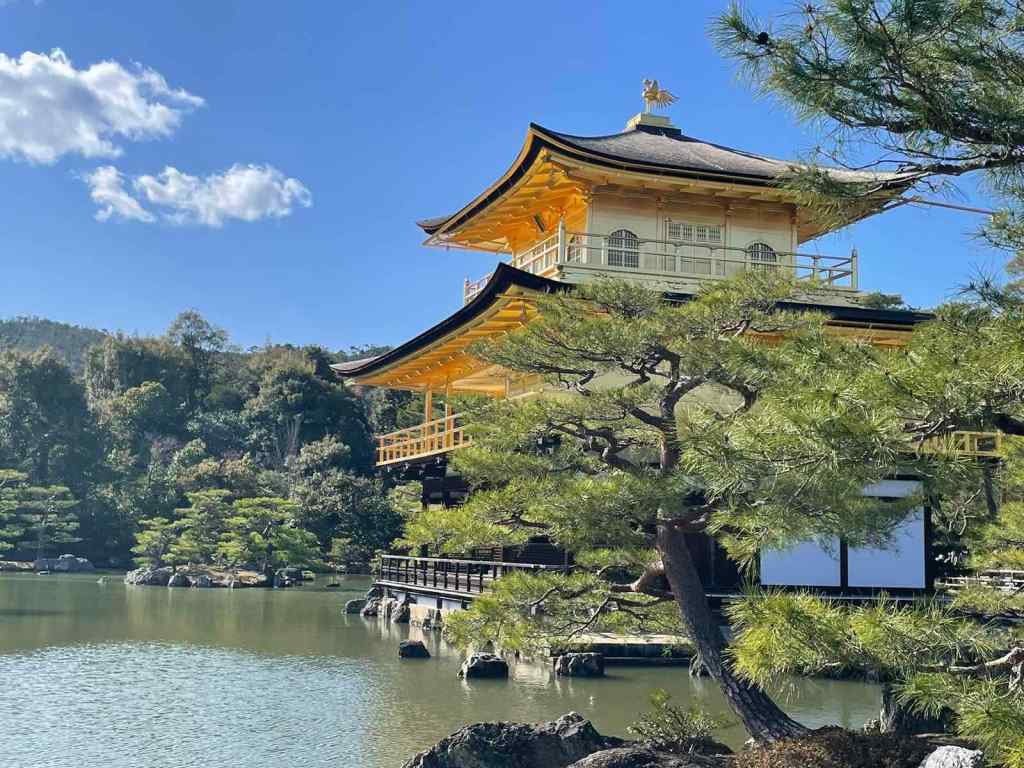
However, one of the most famous shrines in Japan is Kin-kaku dzi (Golden Gates), along with its just as famous sibling Gin-kaku dzi (Silver Gates). Even if you have not heard the names, there is 101% chance you saw them before, as they are the most advertised and spoken about due to their beauty and interesting story.
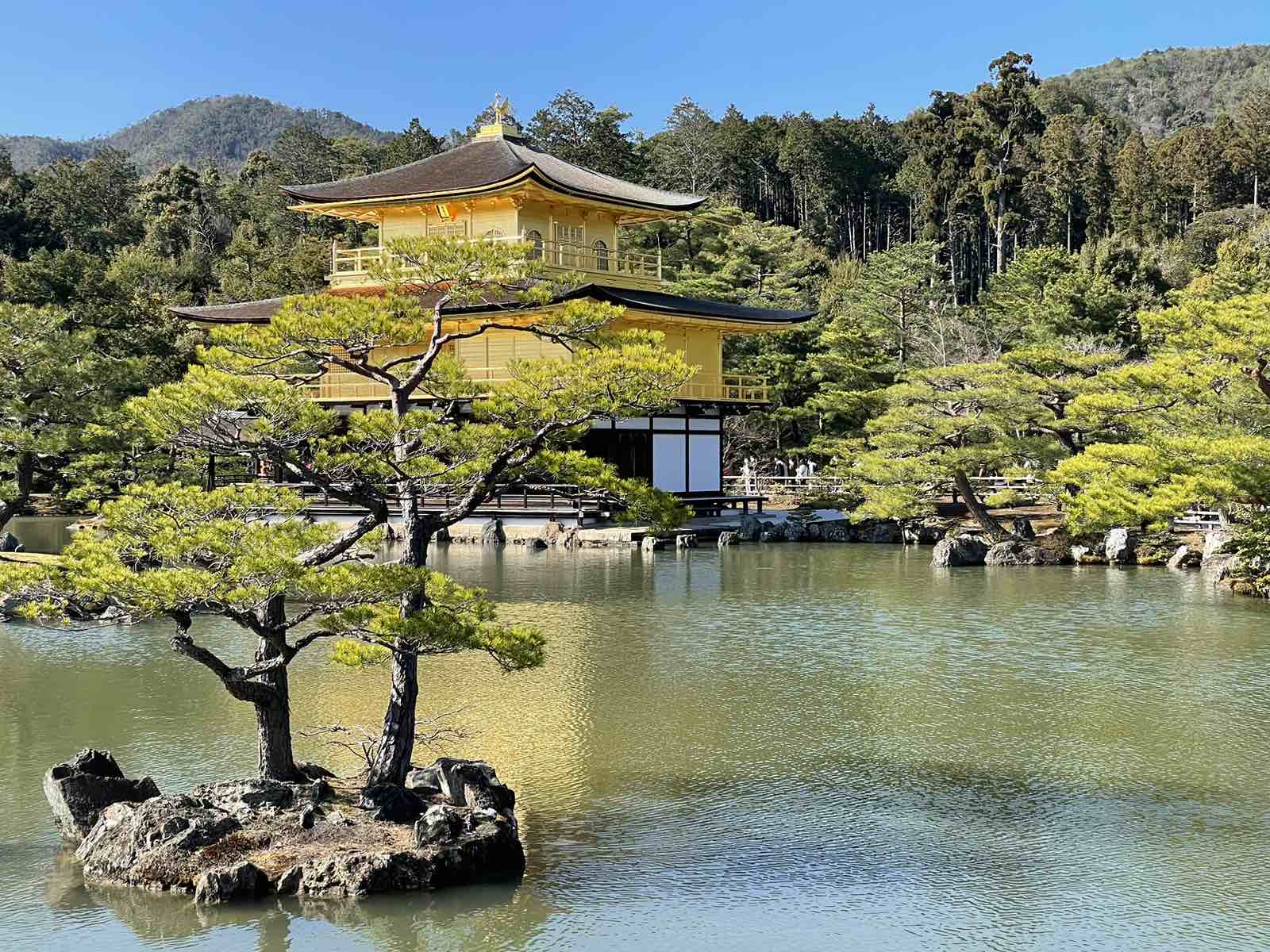
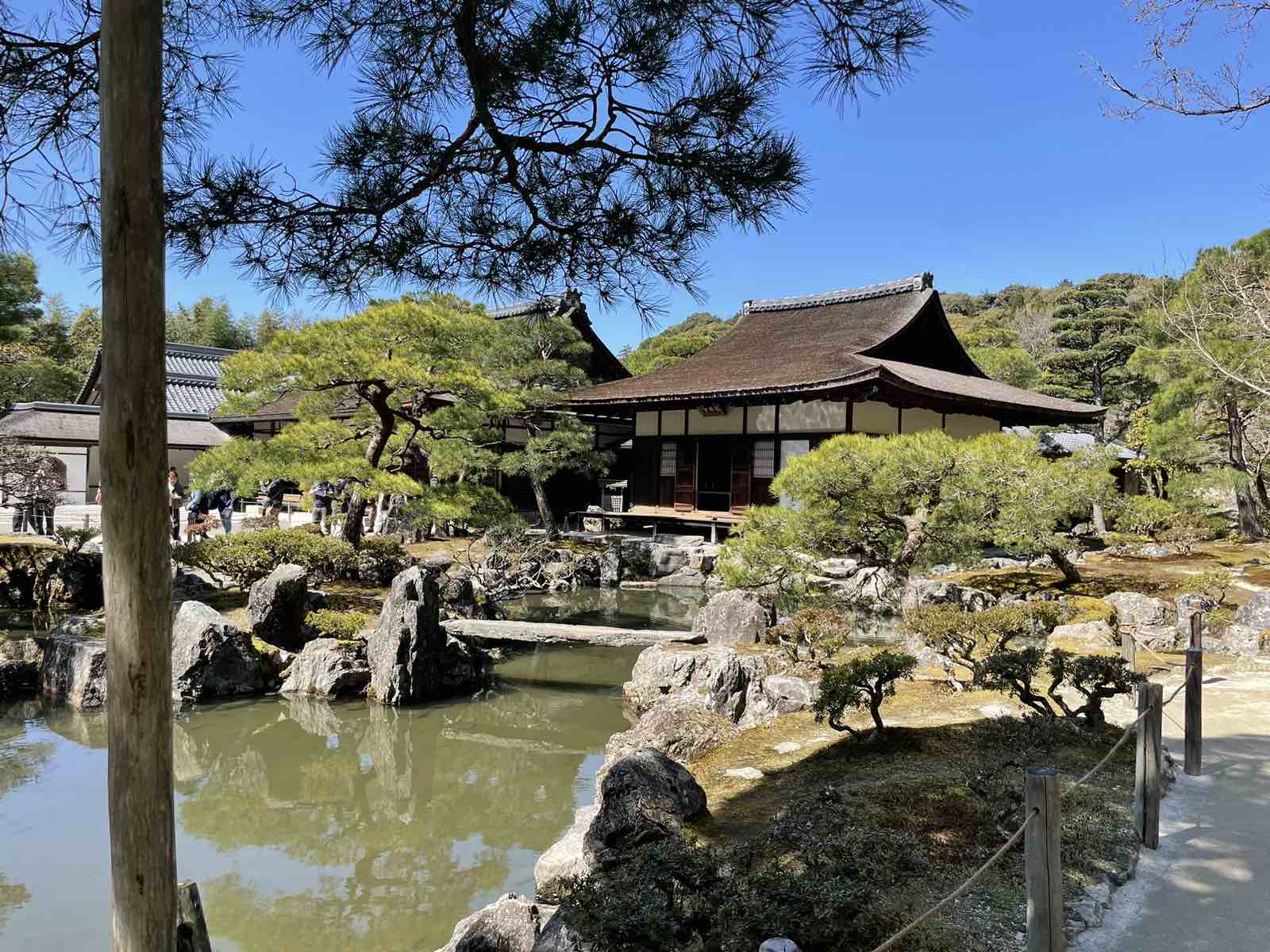
Yoshimitsu Ashikaga was a great Japanese diplomat, who was unofficially named as the King of Japan by the Chinese ambassadors. The Chinese were no fools; Yoshimitsu took it close to heart and bought Kitayama-Dai, which we all can guess how is called today. He then commanded to cover it all in plated gold, hypocritically naming himself as the great Buddhist ascetic. Perhaps the word “ascetic” meant something else in ancient times, or maybe Yoshimitsu just did not care as long as he was the best in everything.
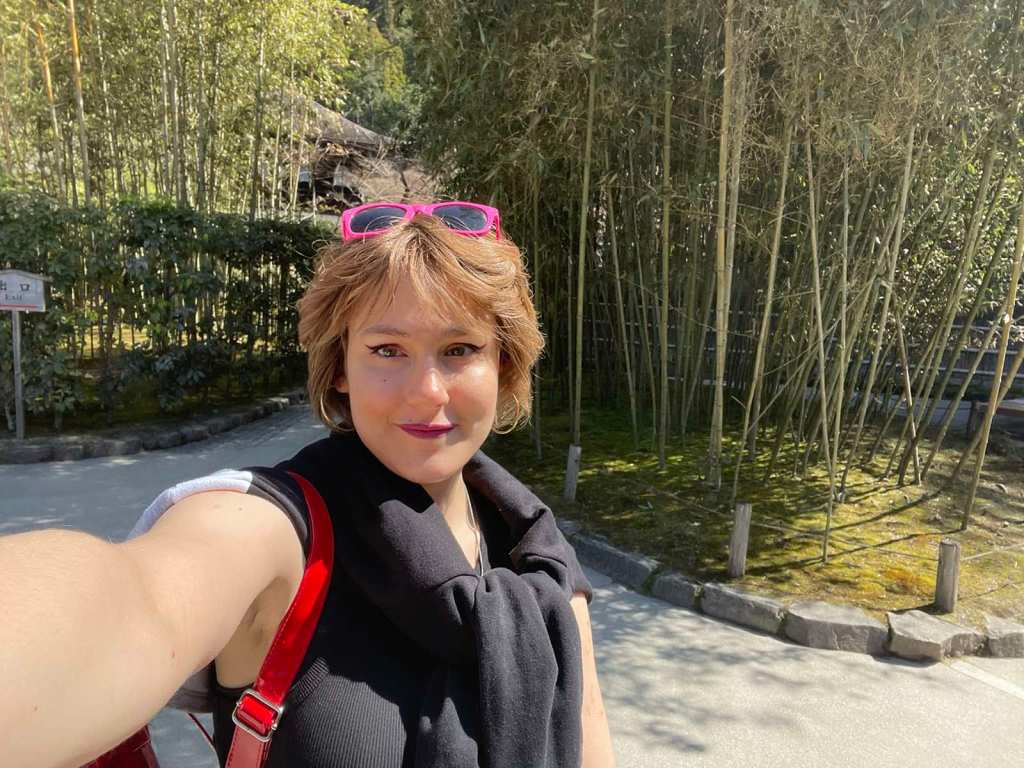
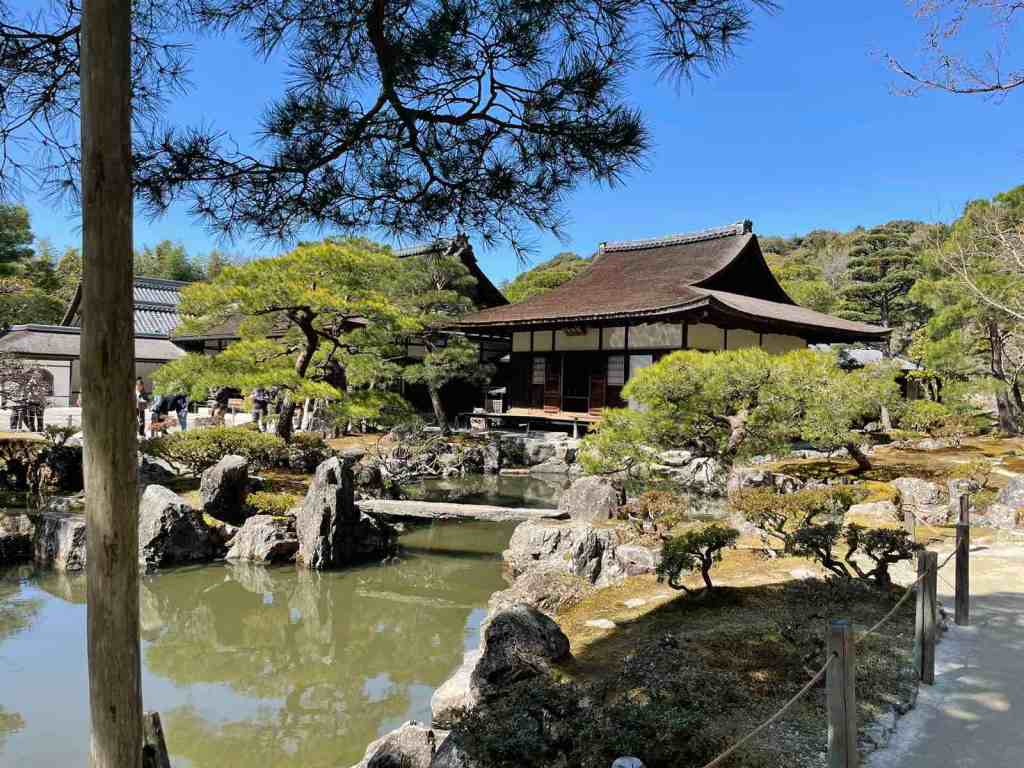
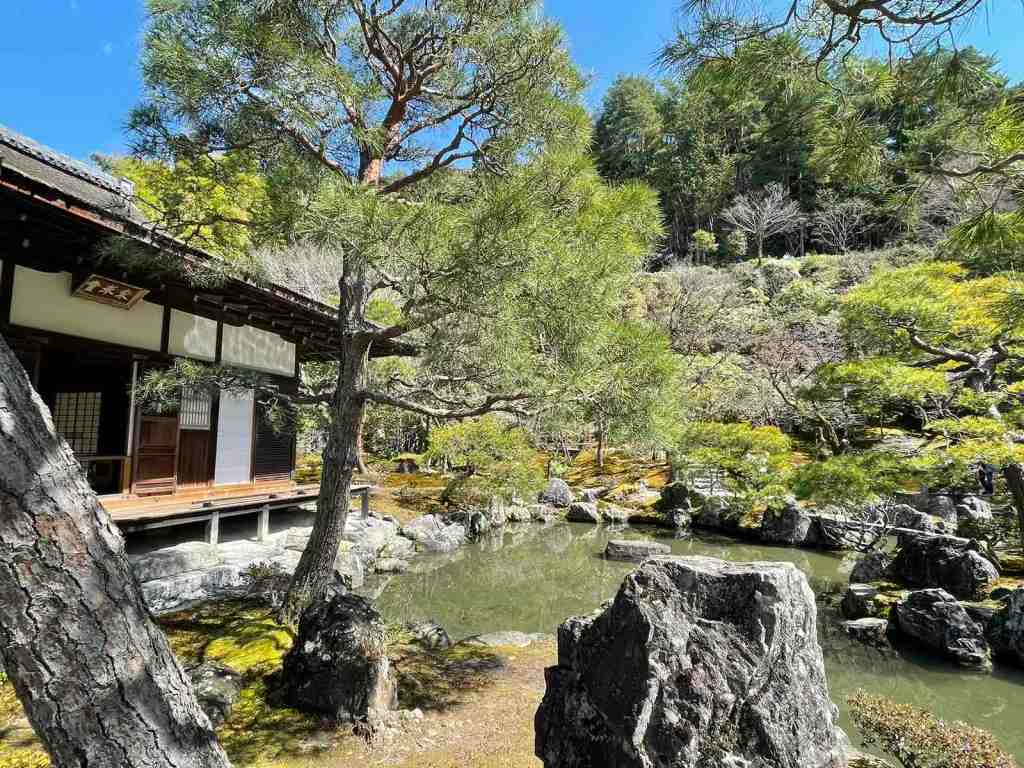
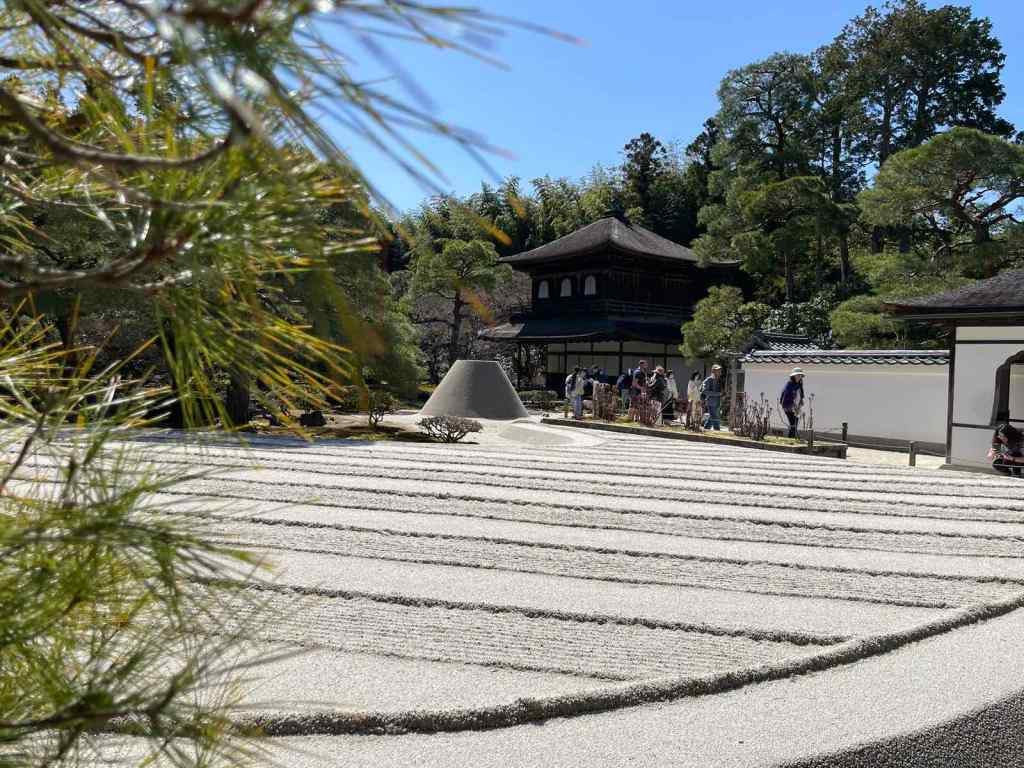
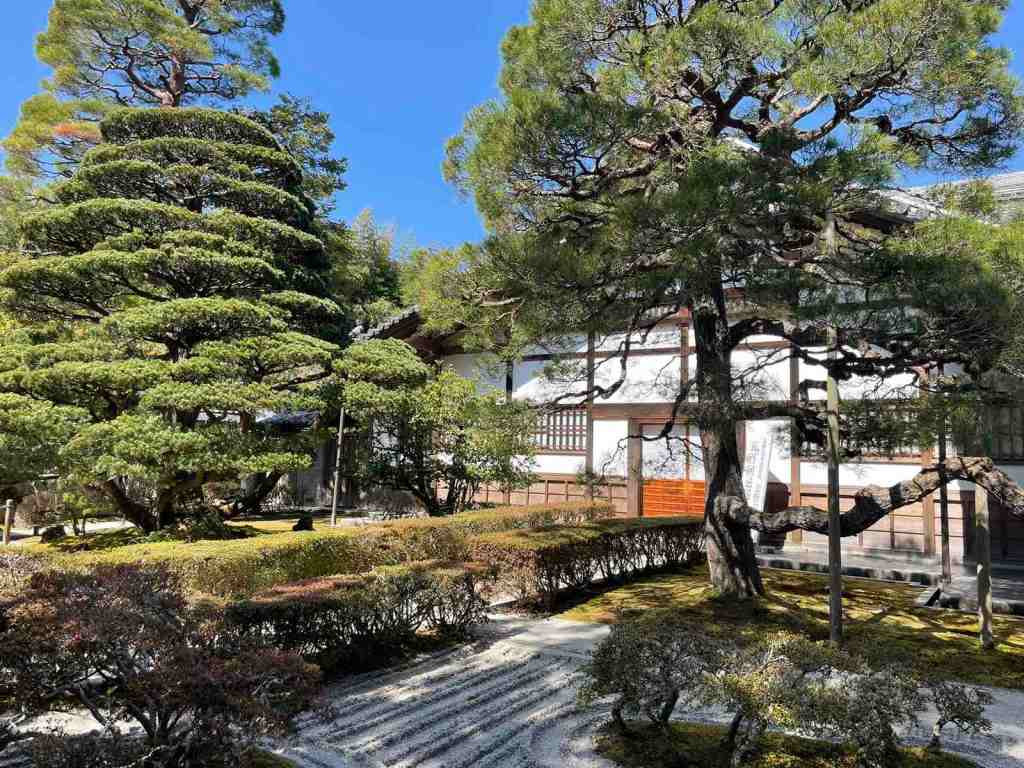
Jishō-ji, (known today as Ginkaku-ji) shares several similarities, specifically being silver plated. It is a two-level building, dedicated to the goddess named Kannon. Originally a villa, it acquired the Buddhist name during the Edo period. The entrance costs around 850 yen, and the paths covers the temple complex, garden, and a little bit of the bamboo forest. It took me around 45 minutes to walk around, including enjoying the view and taking pictures.
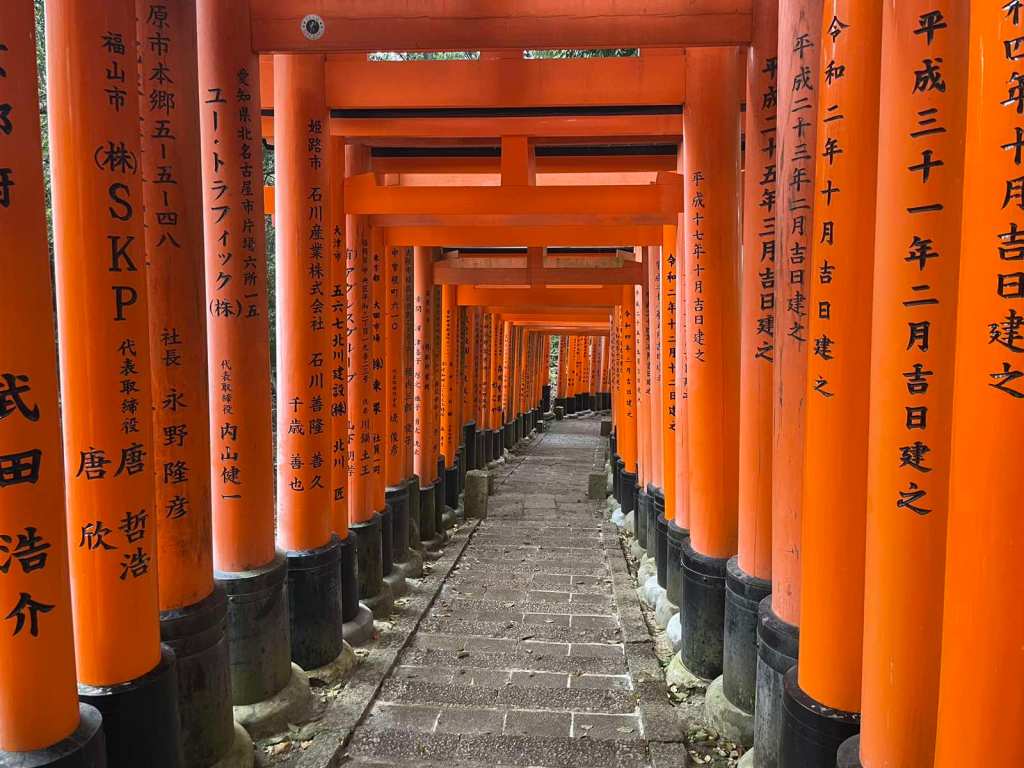
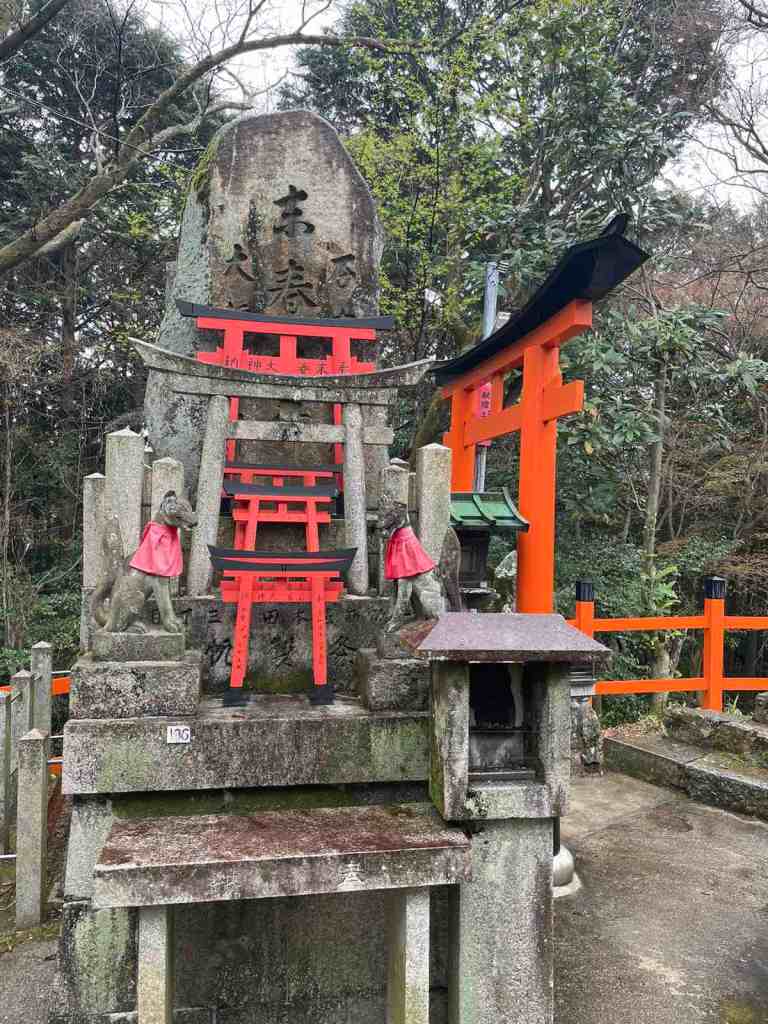
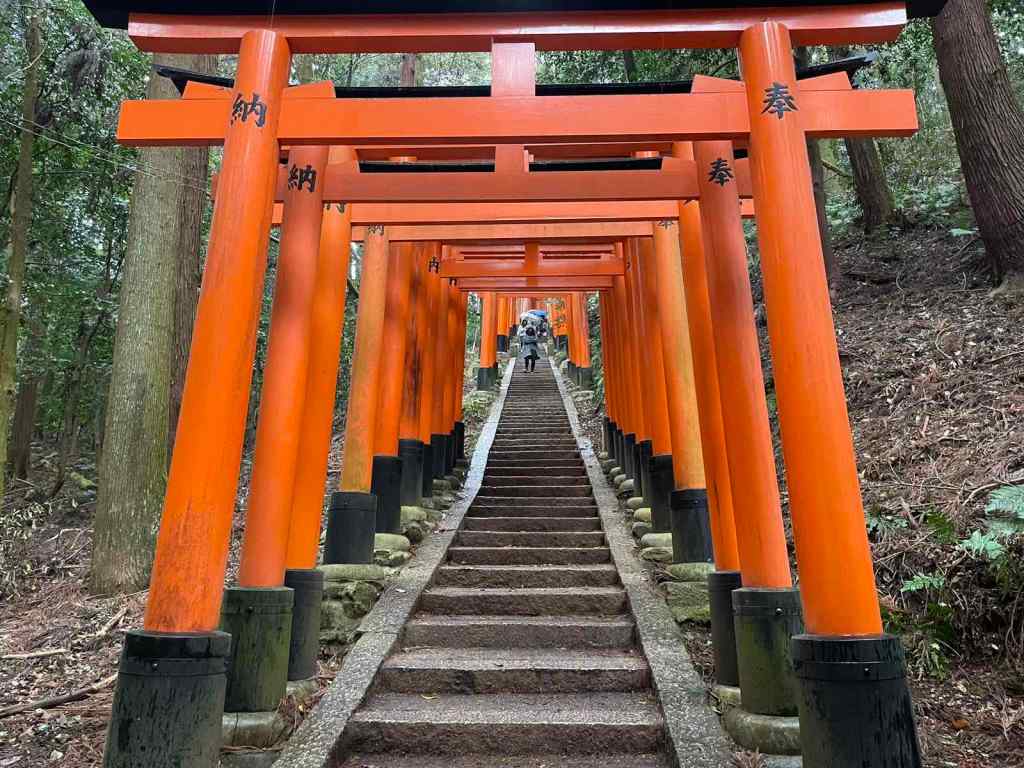
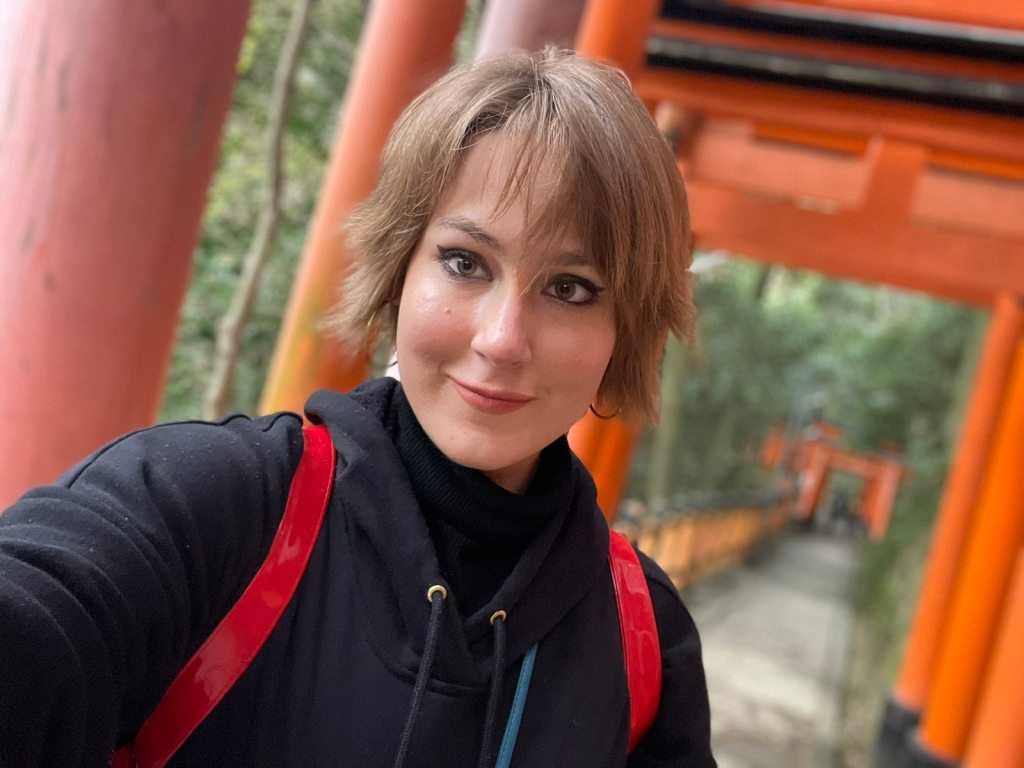
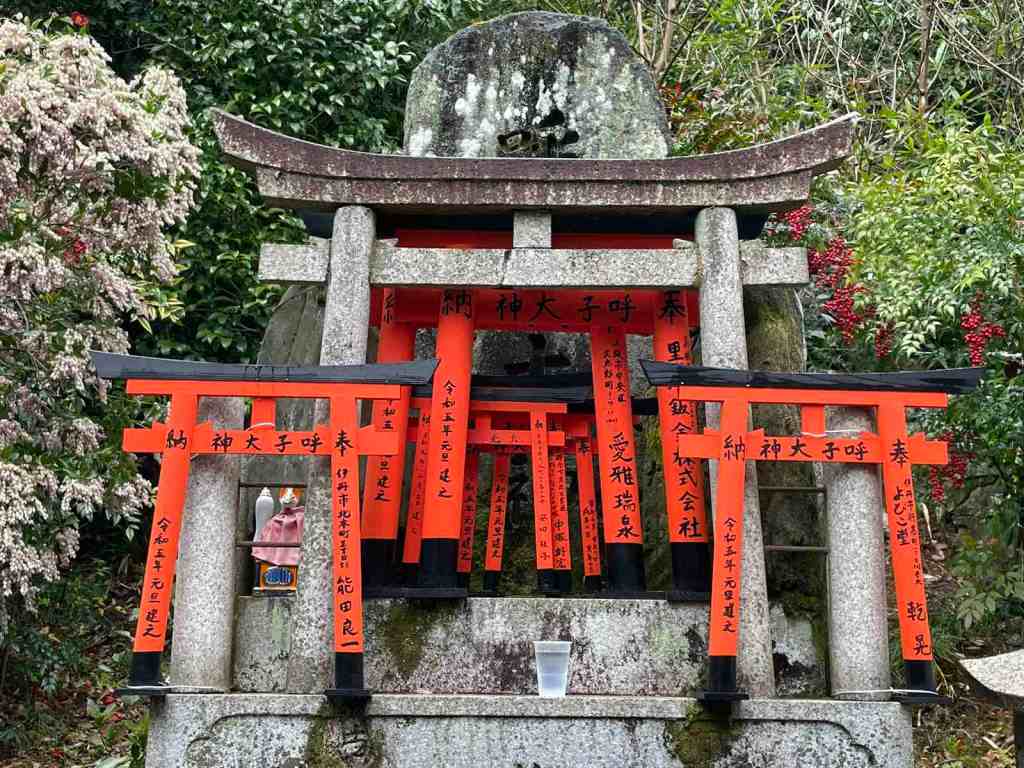
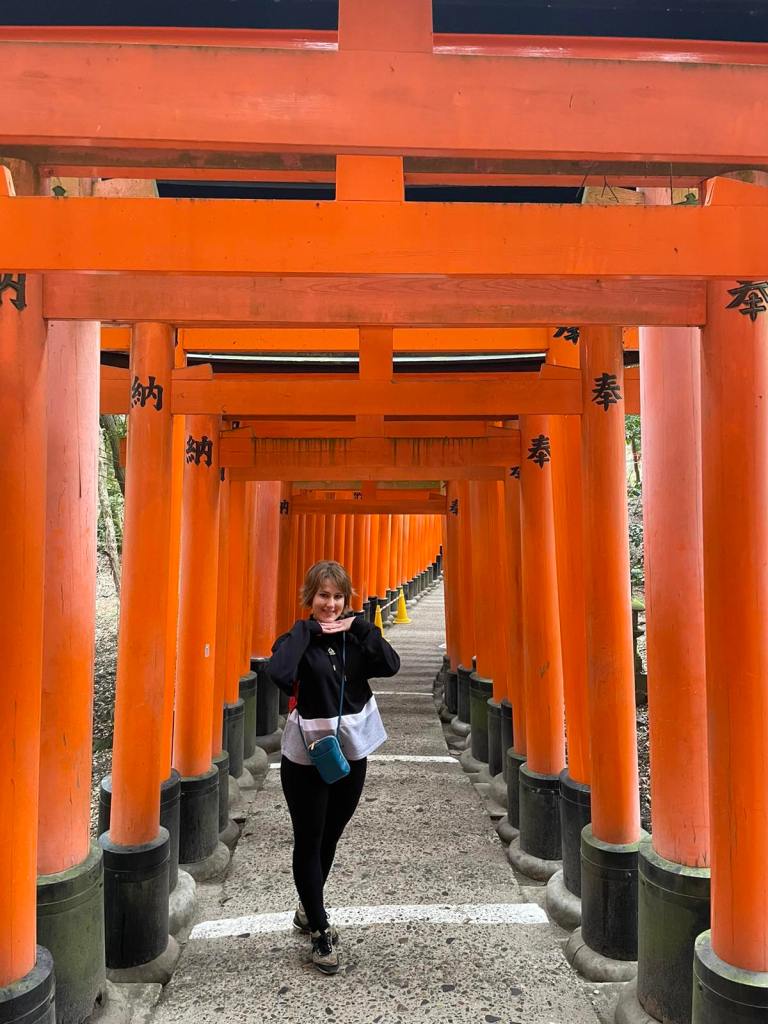
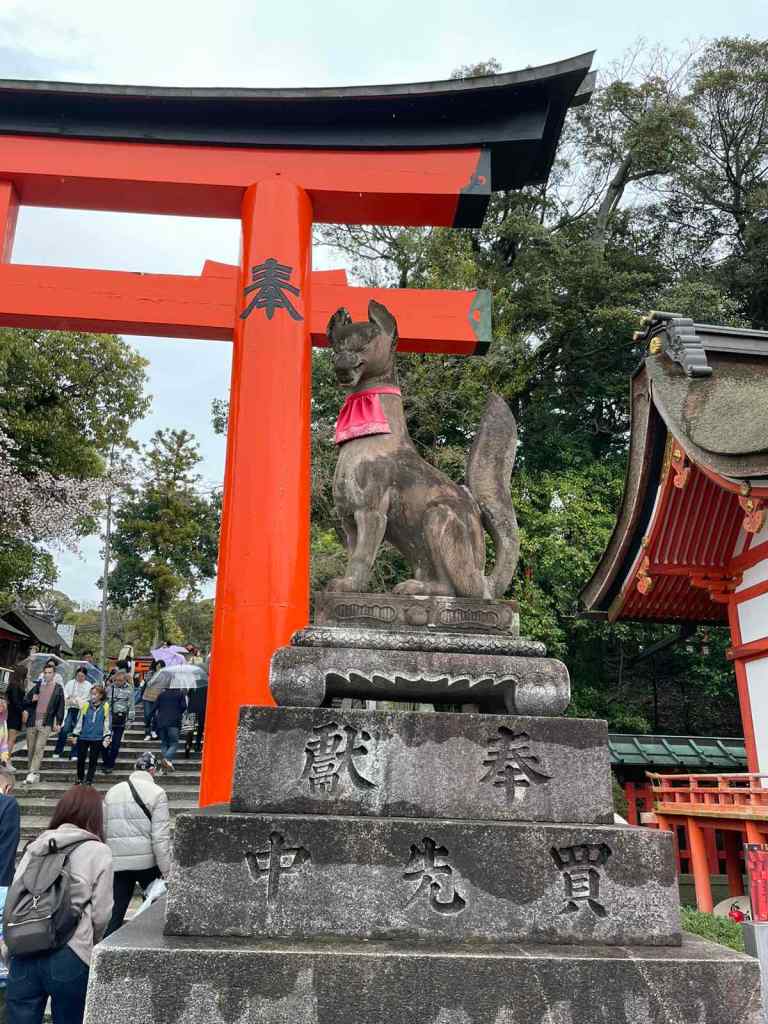
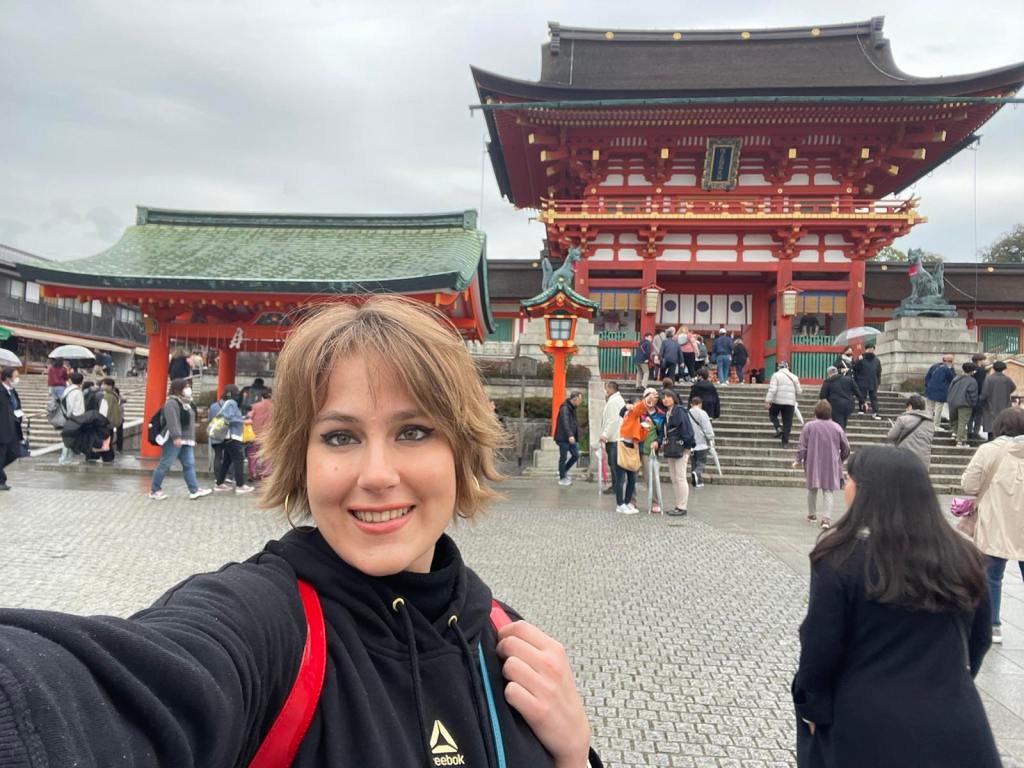
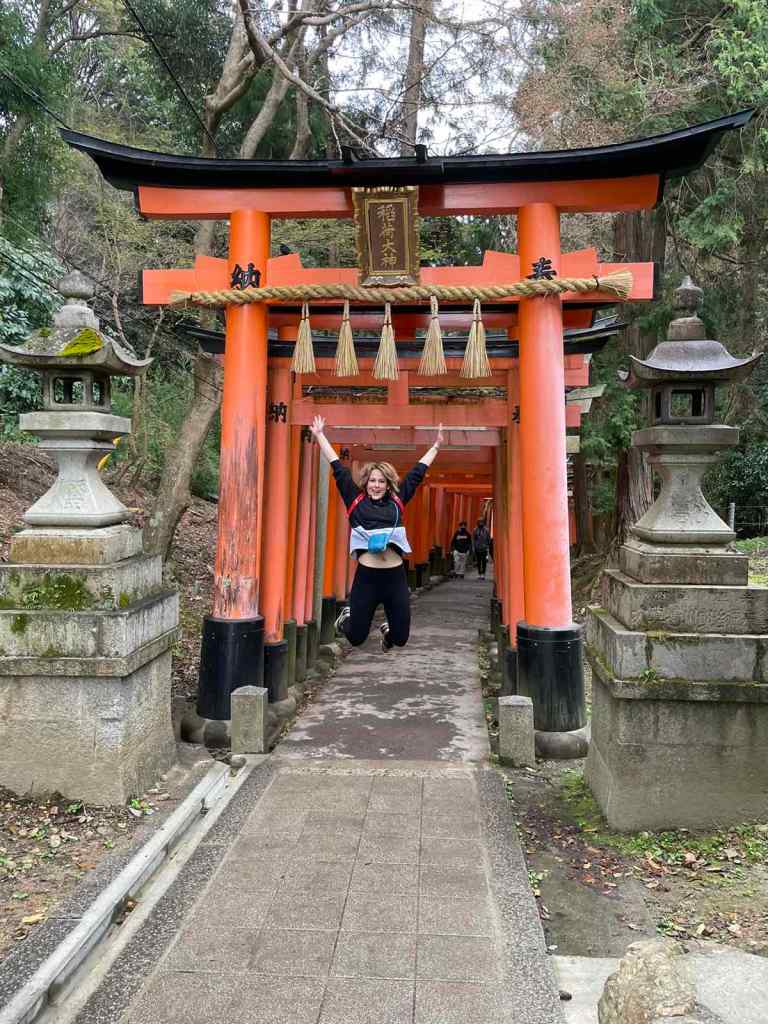
If you’re not impressed yet, just wait until you hike up numerous flights of stairs to reach the Fushimi Inari on top of the mountain. Fushimi is a shrine dedicated to the fox, with the stair paths leading you up the mountain, surrounded by bright red gates on both sides. These gates were built from individual and public donations. There are 5 shrines: a lower shrine, a middle shrine, an upper shrine and auxiliary shrines Tanaka Shrine and Shino-Okami Shrine. Since its establishment in 711AD, people came here to pray for good harvests, financial luck, and well-being of their family.
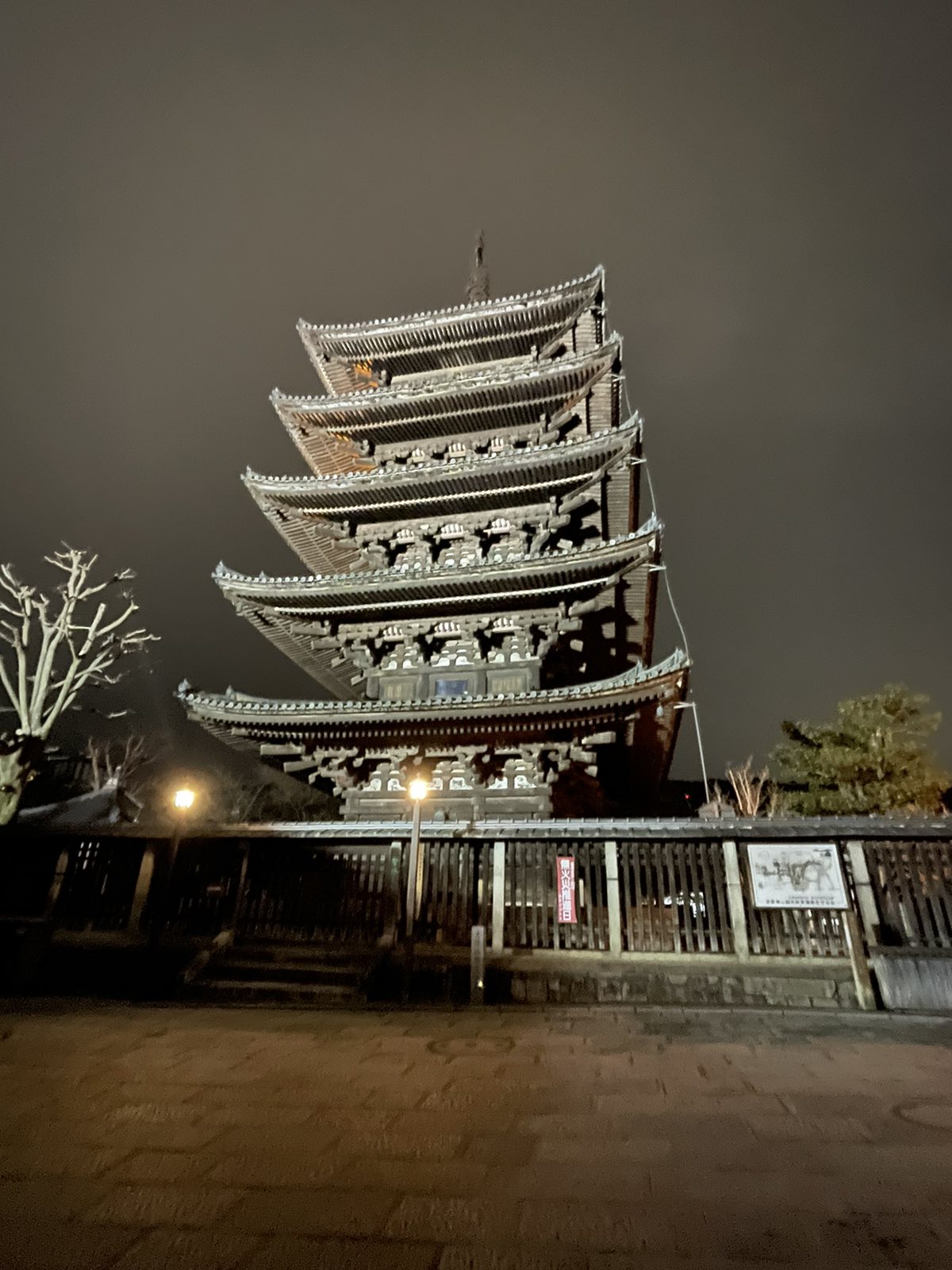
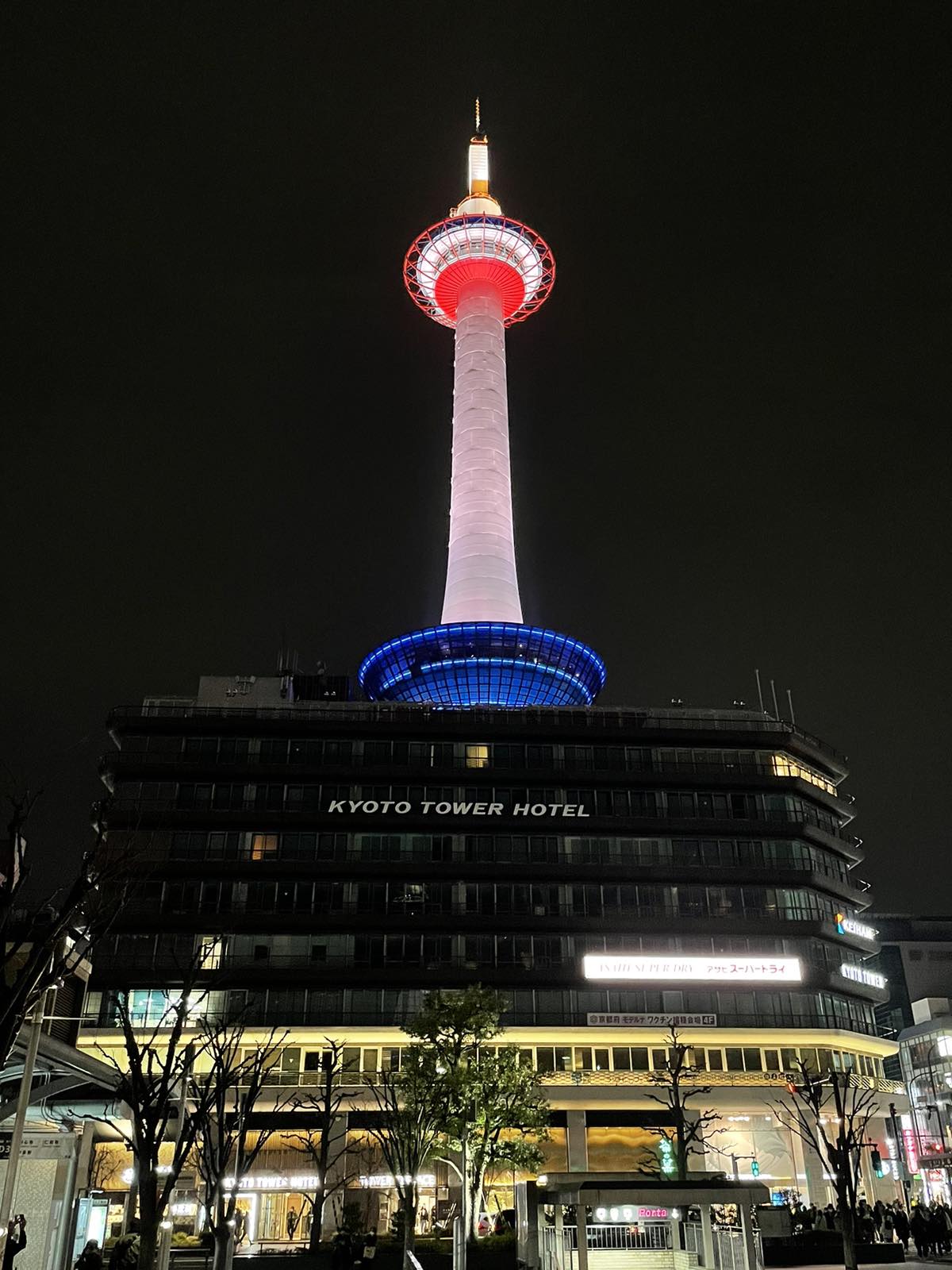
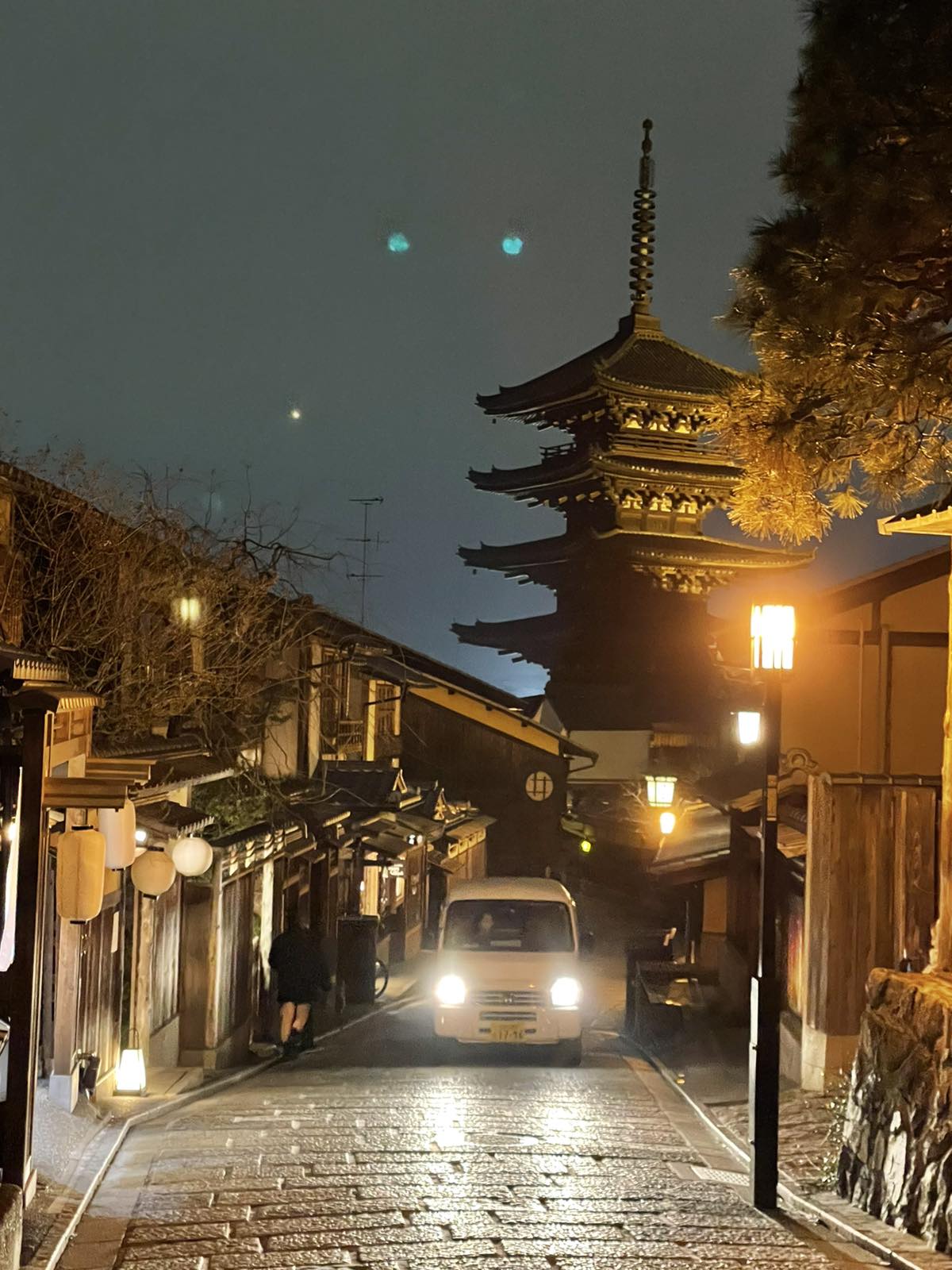
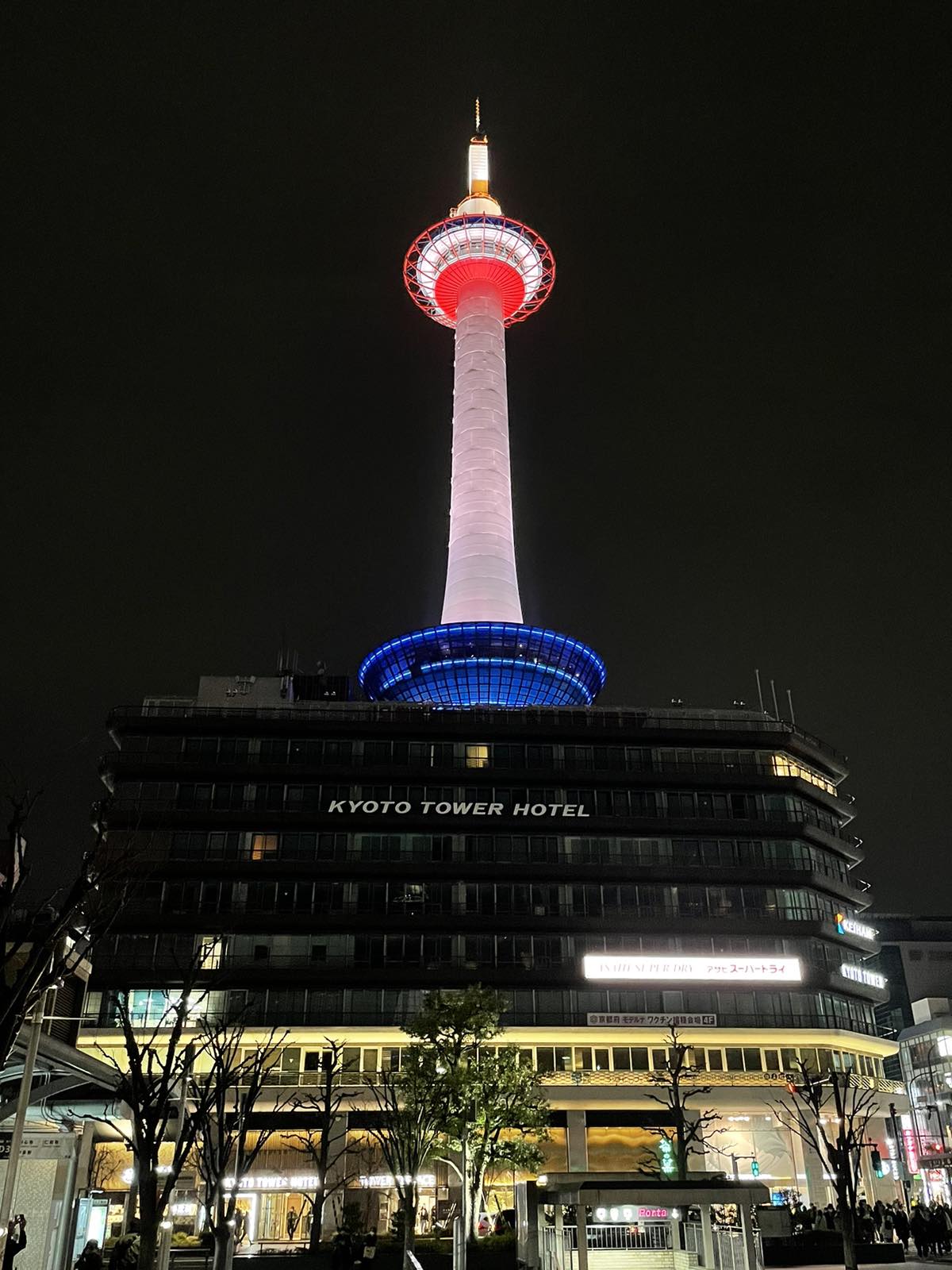
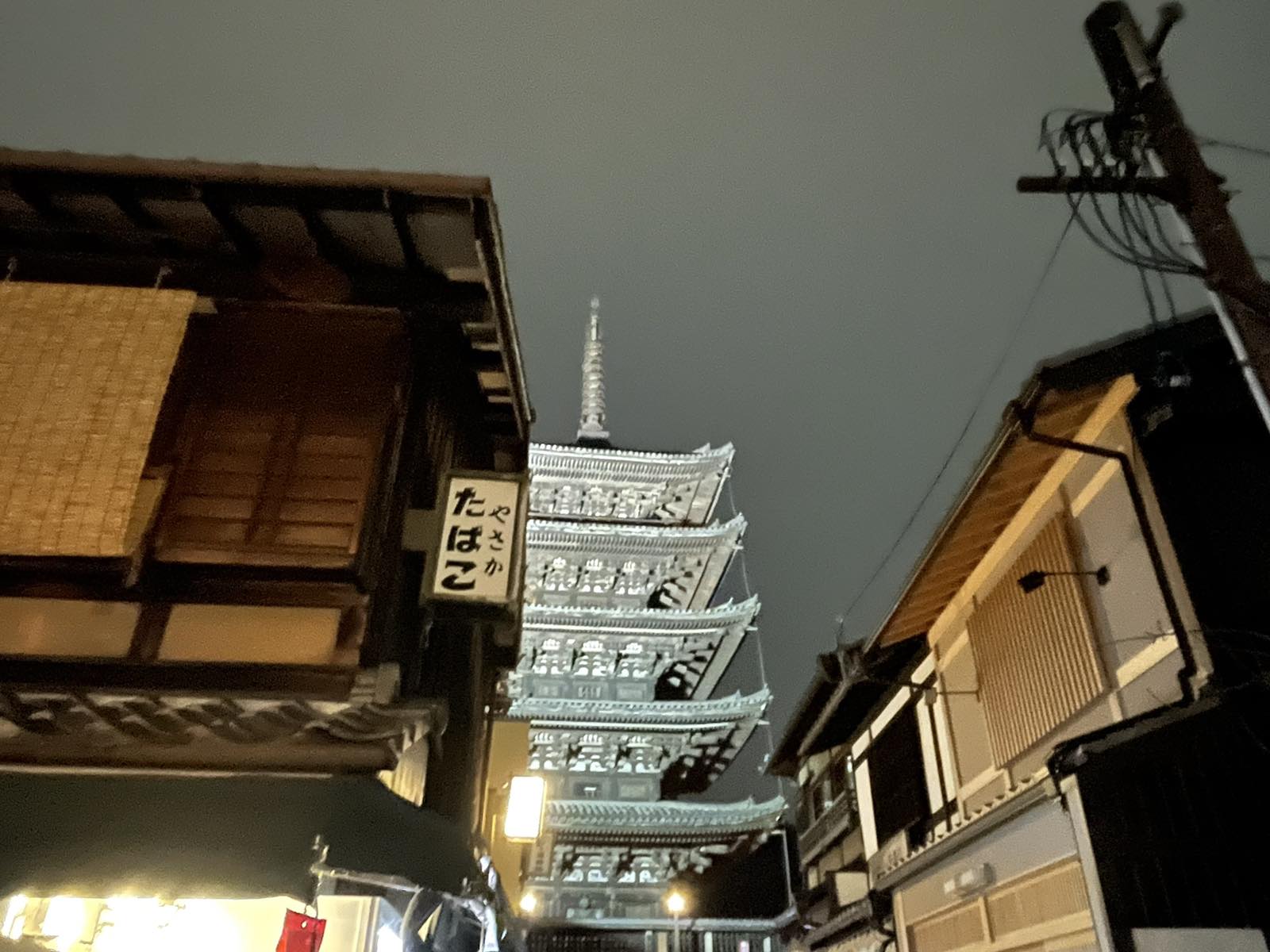
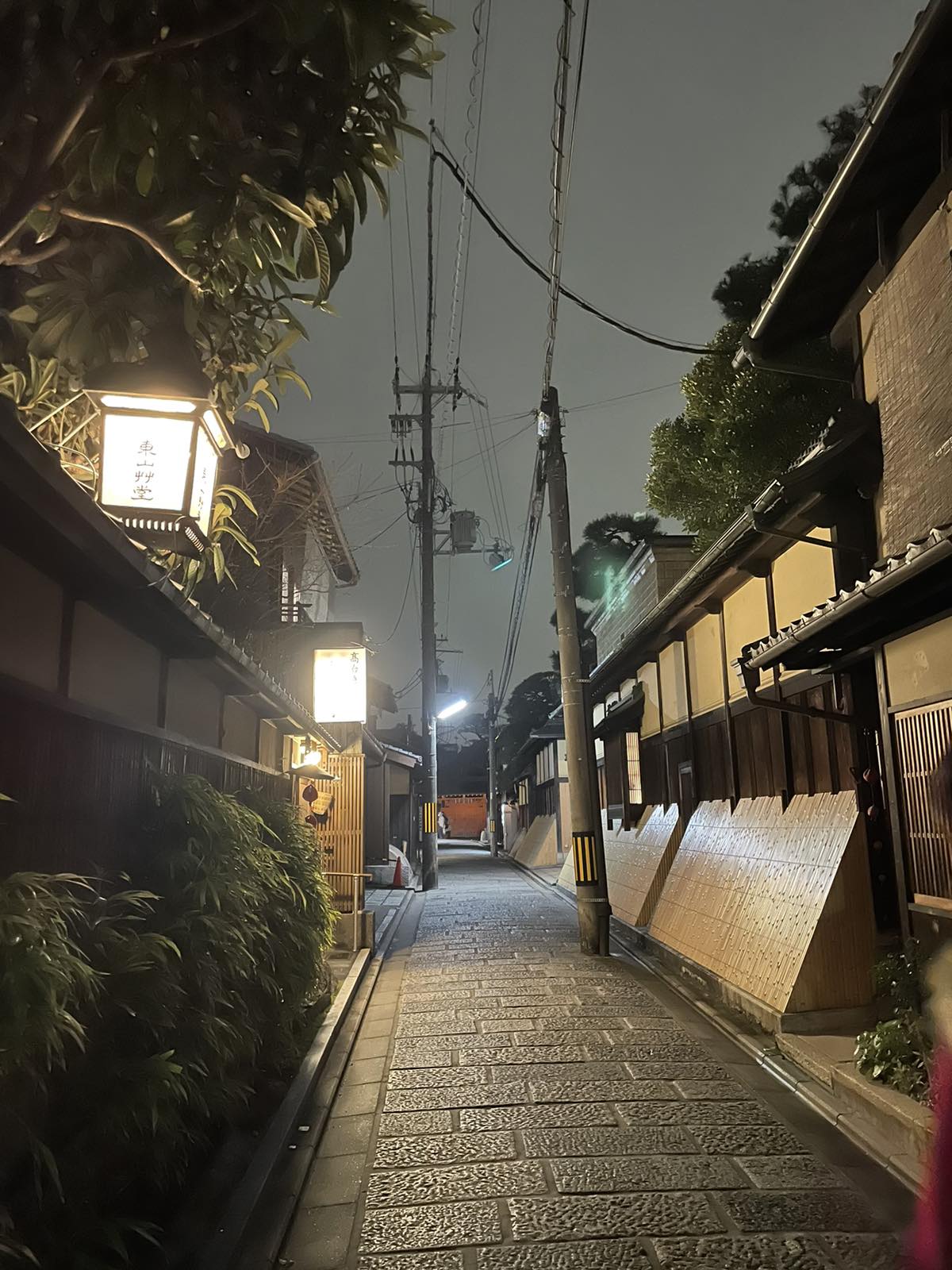
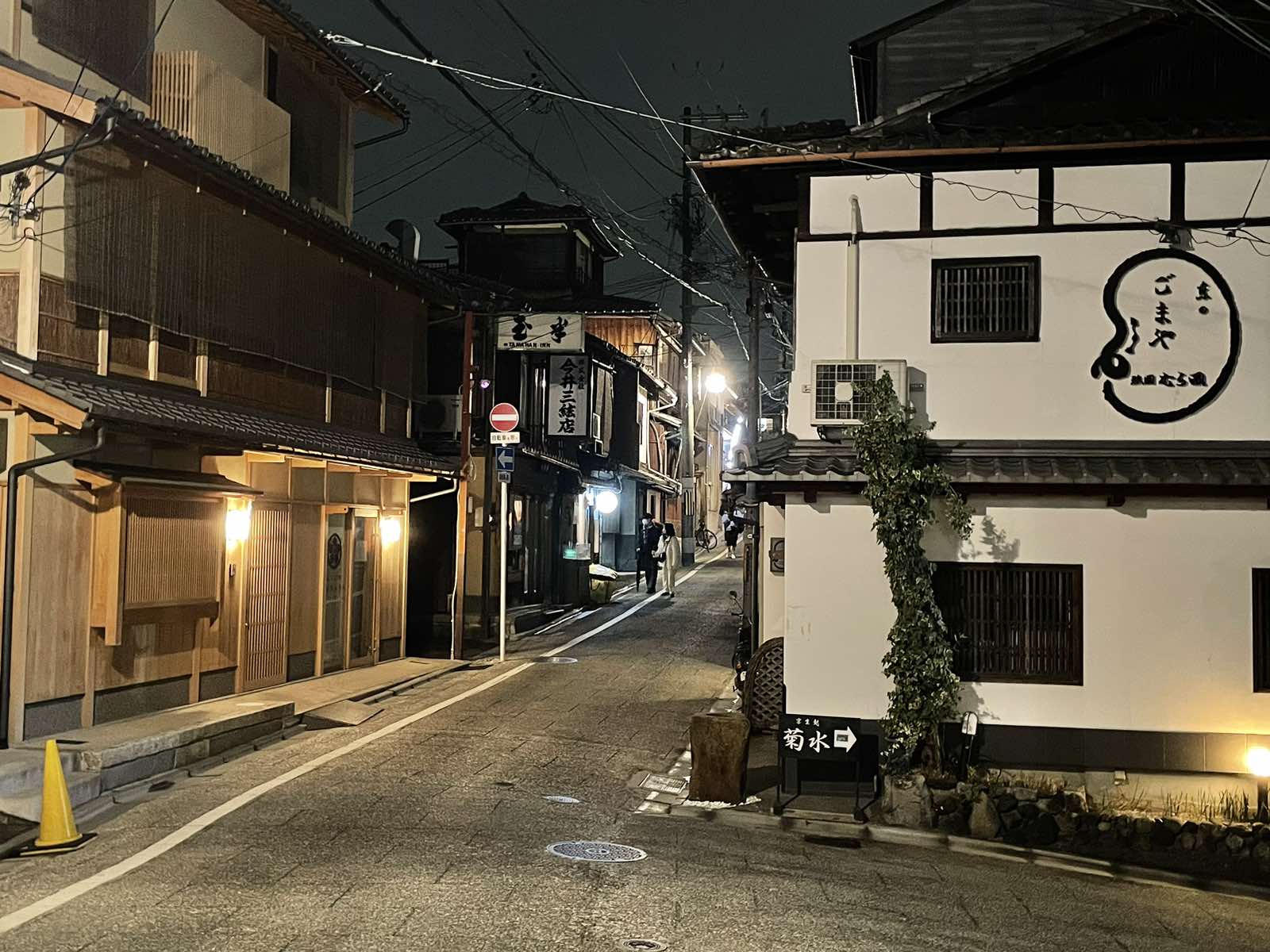
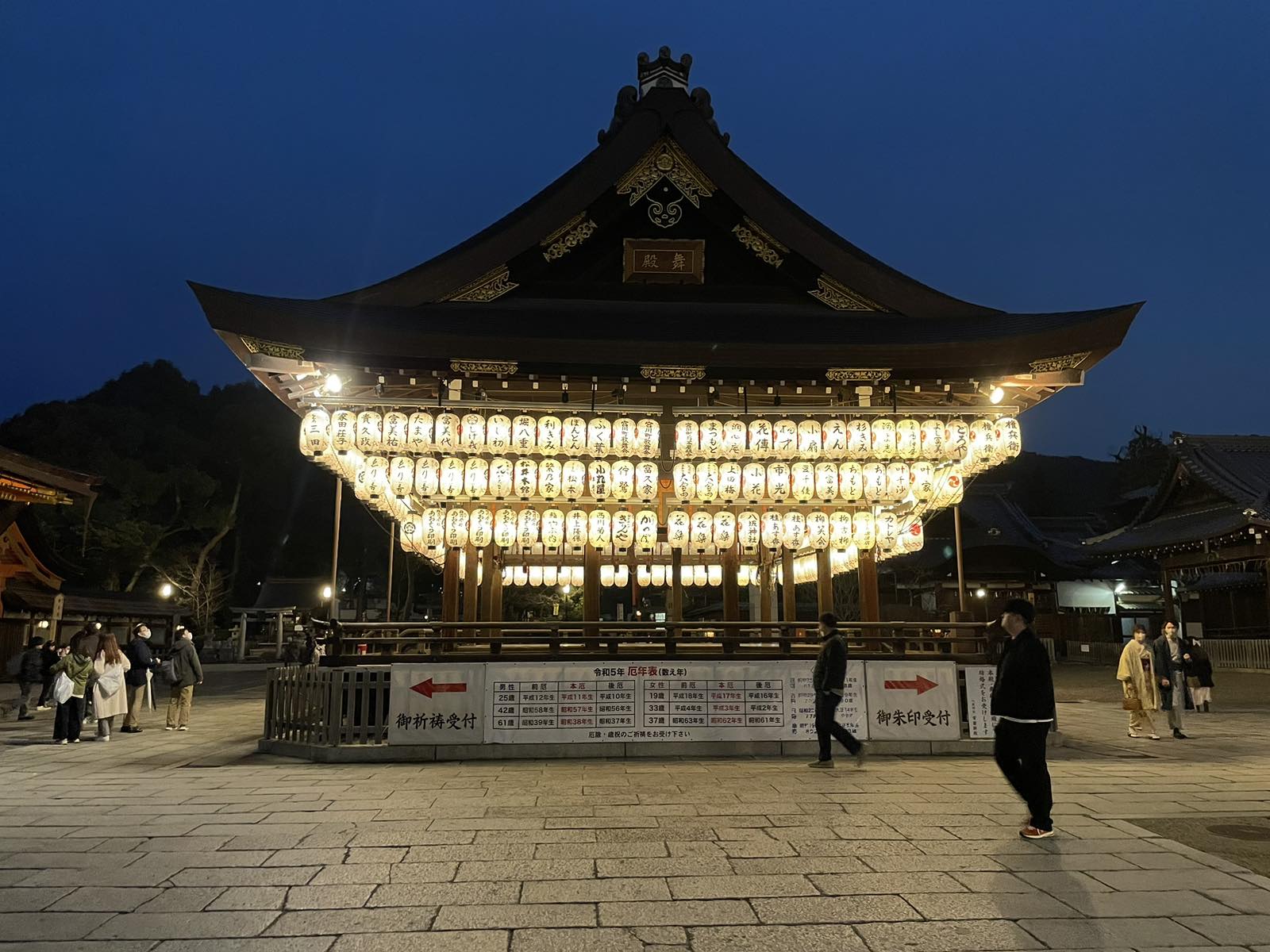
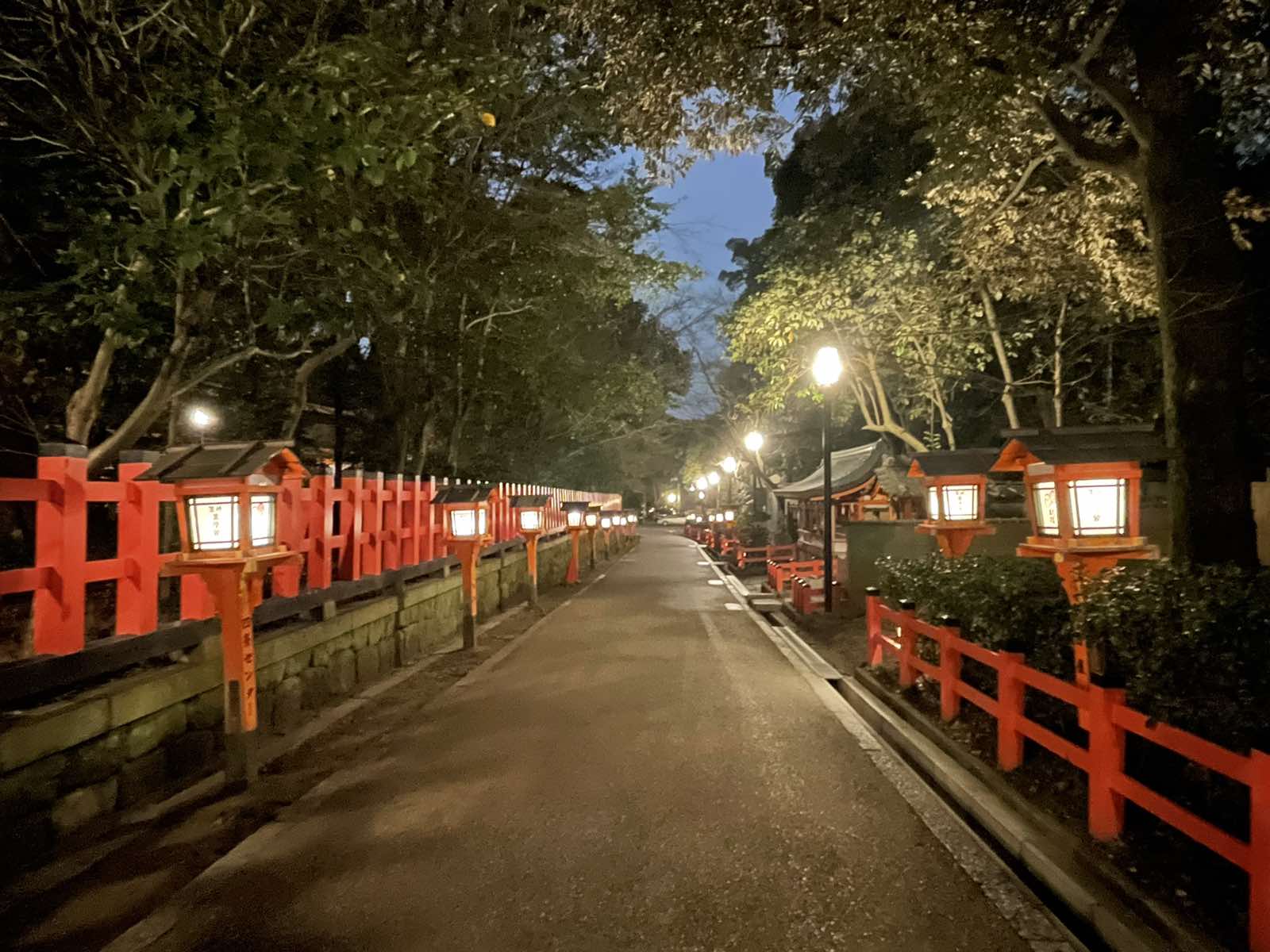
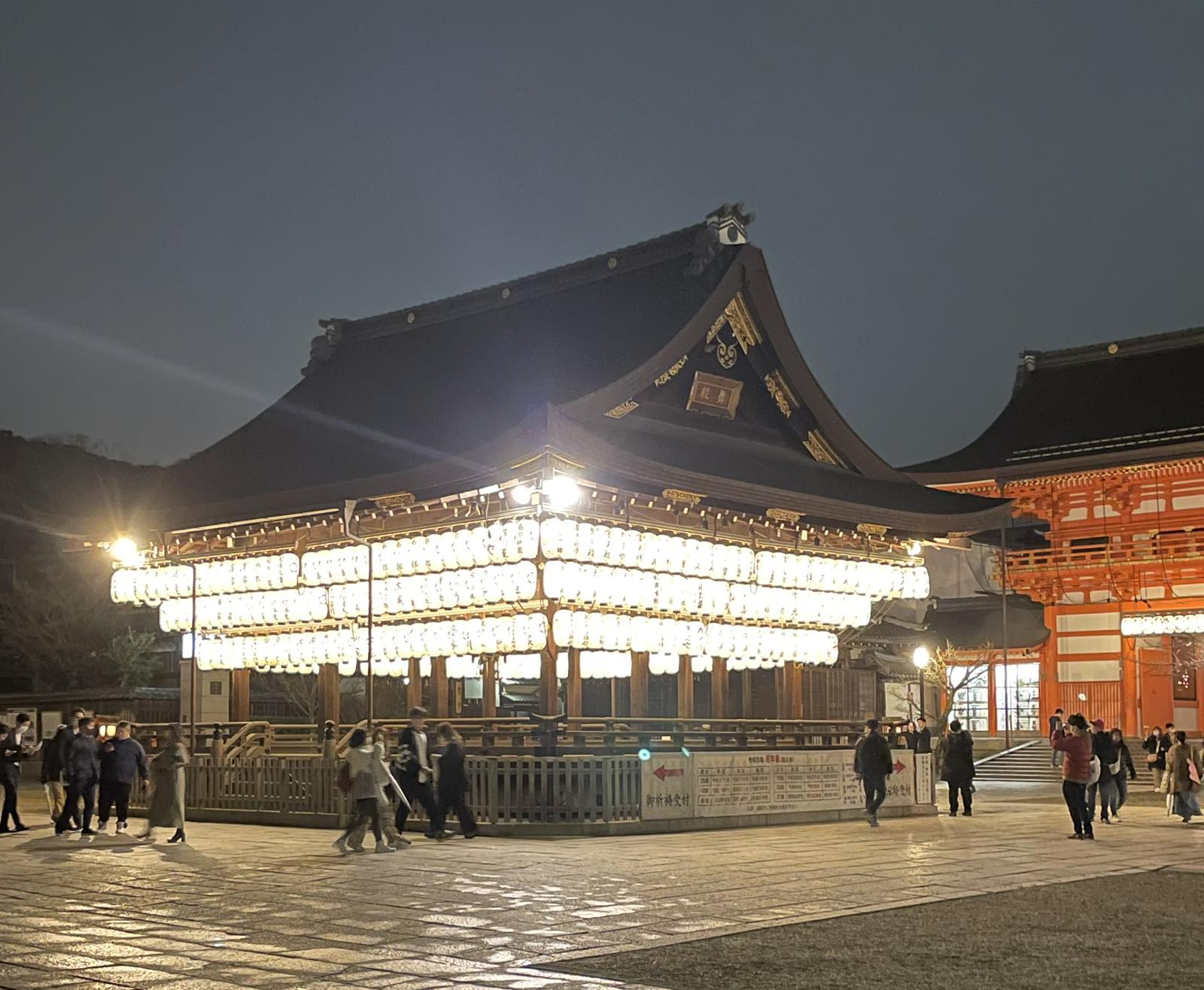
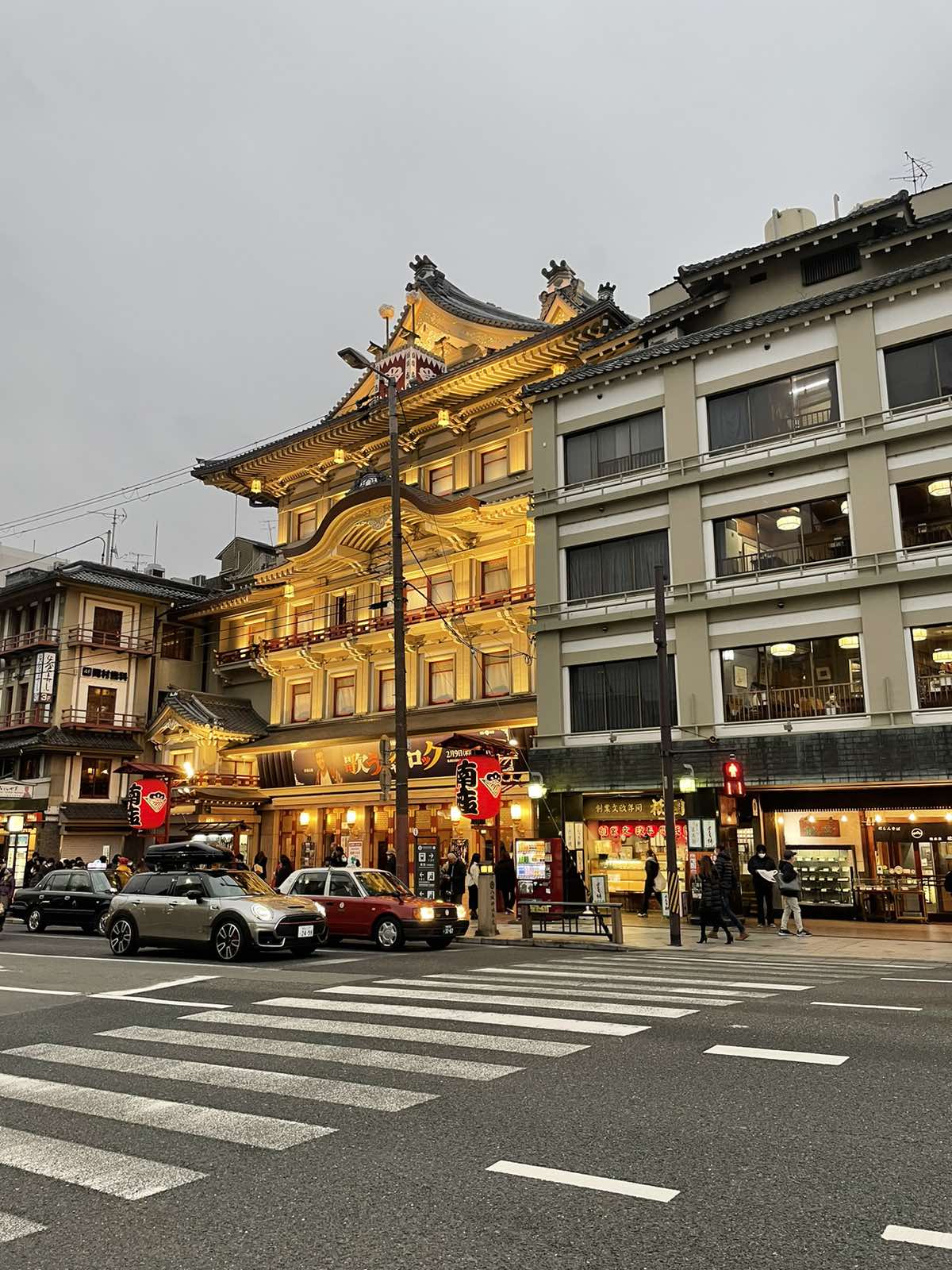
The night Kyoto:
Happy me:
 romashos.blog