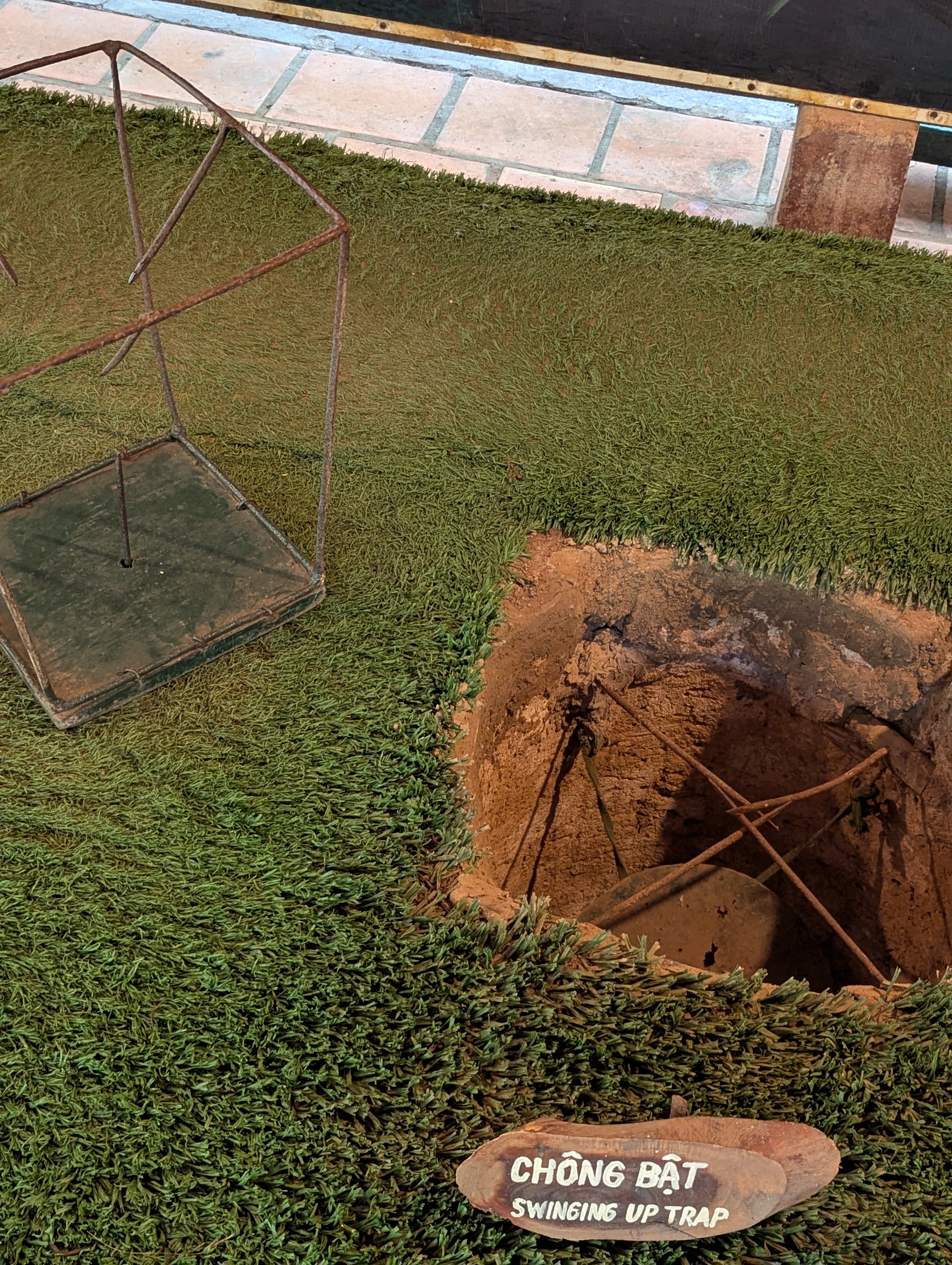
-Annn, you see, america’ enter house, annn, house empty. Noone! No one. But. But, he open door, ann doorway trap do what? Hit him! It swings from open door and hit him in face!
My tour guide was demonstrating amazing acting skills while pretending to be an unfortunate American soldier entering a house during Vietnam war. We were standing in the cleared area surrounded by tall tropical trees, glancing at all sorts of handmade traps Vietnamese came up with to fight Americans… or tigers. Not too much difference there was for them, apparently.
The AK-47 sounds randomly disrupted the peace and quiet of the Cu Chi jungles, echoing from the shooting range not too far away.
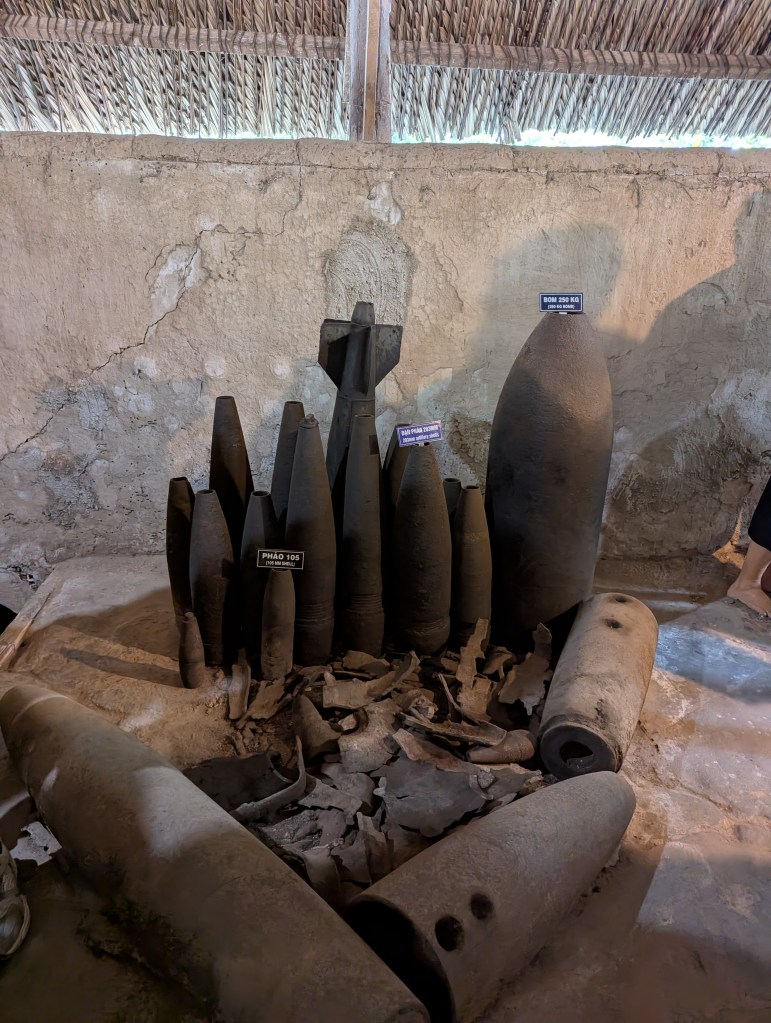
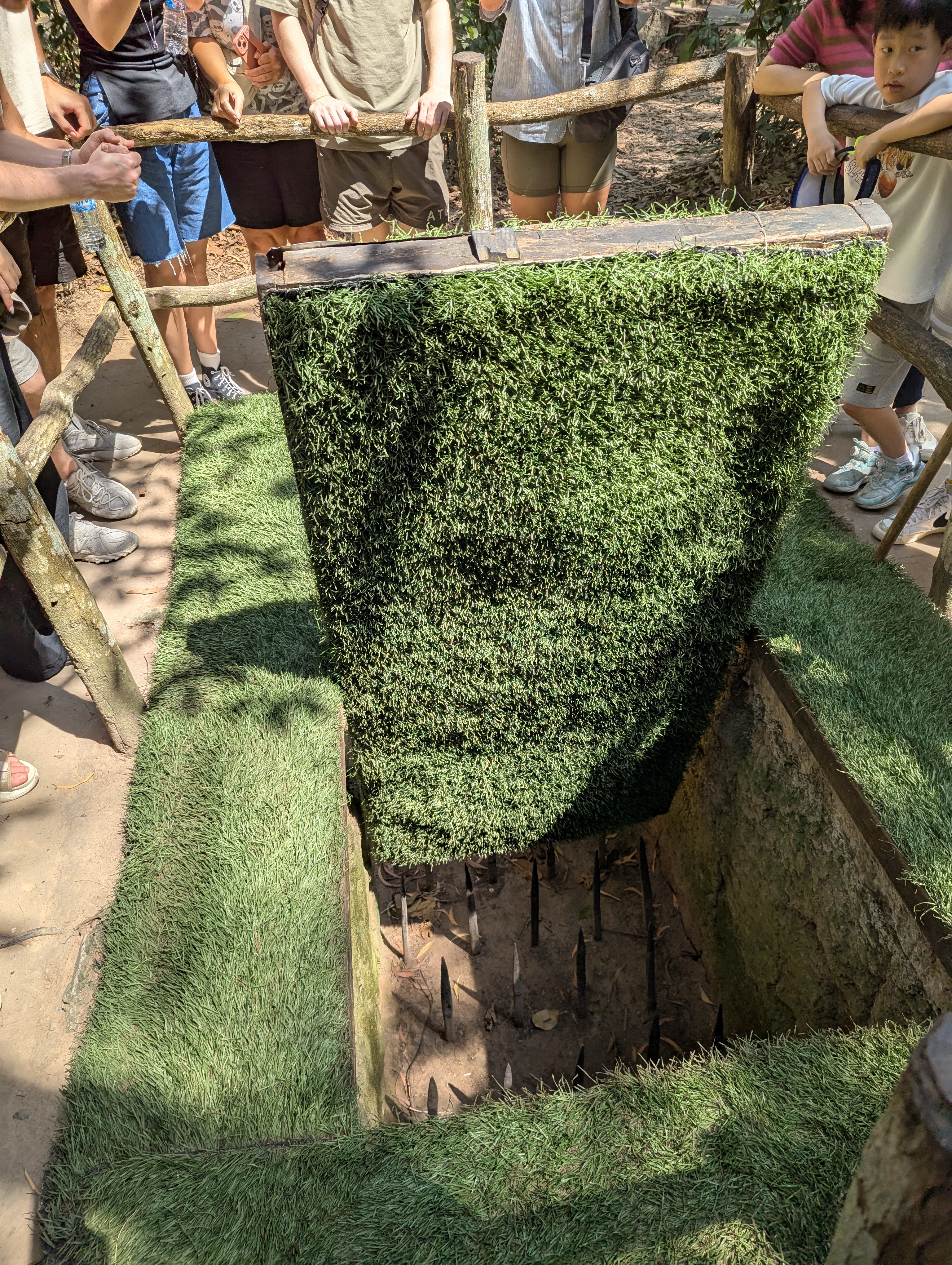
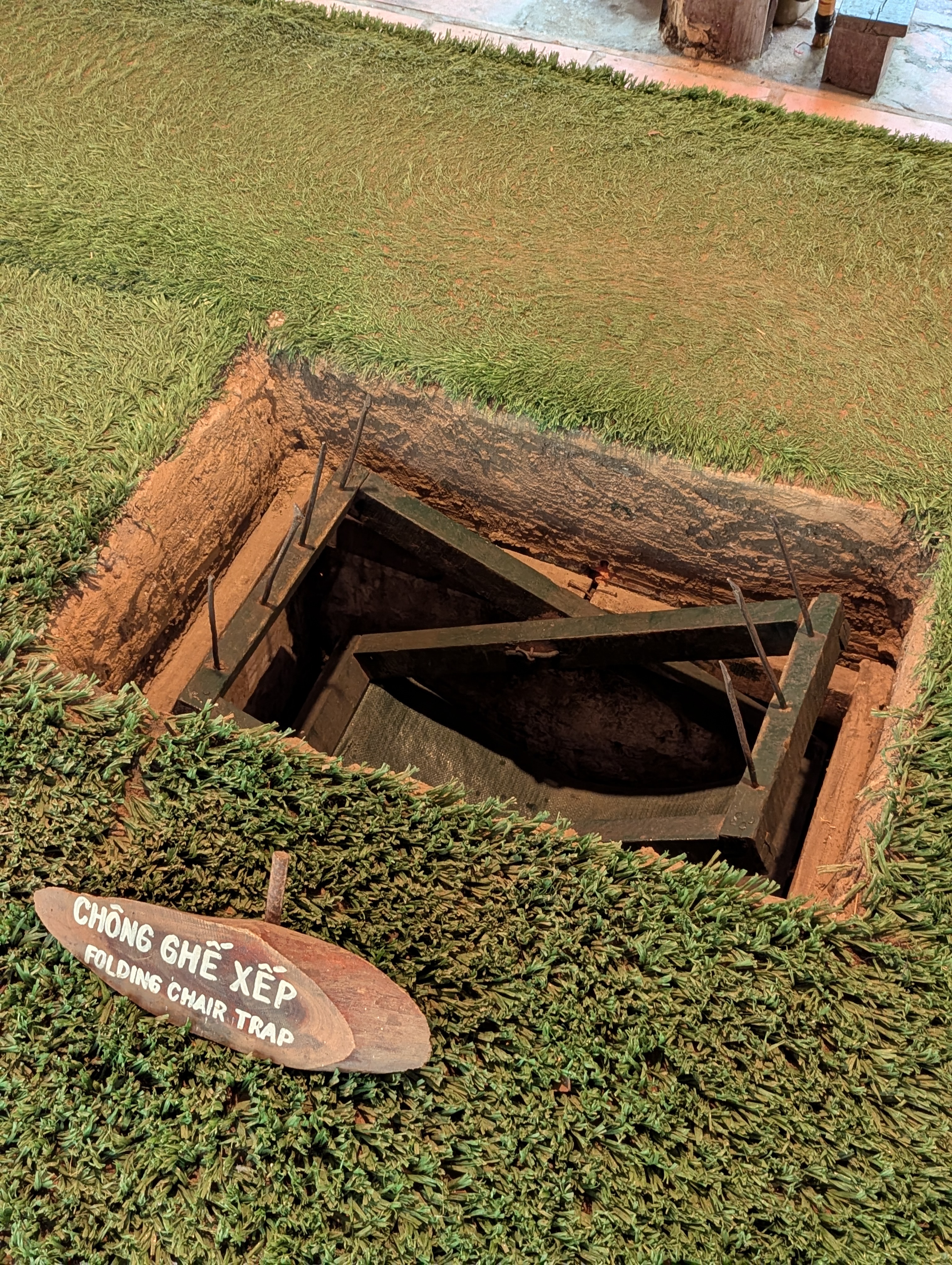
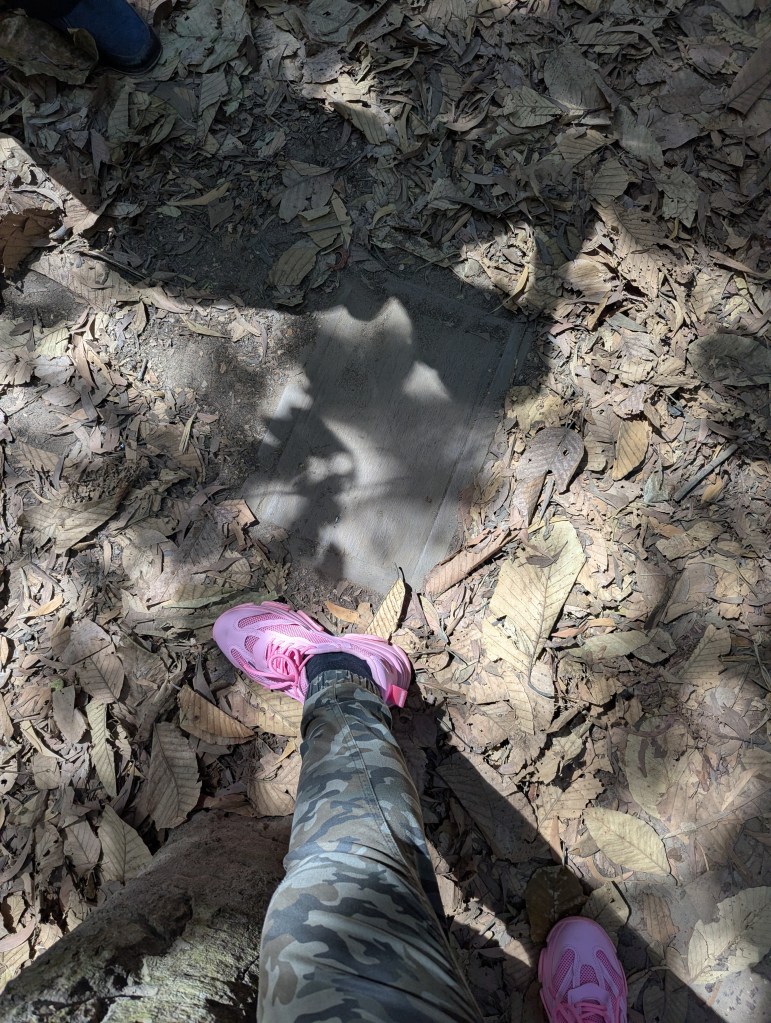
While the creativity demonstrated by these simple, yet deadly traps horrified, it would have become an irreplaceable knowledge should one find himself on the inhabitable island (just like Robinson Cruzo). Foot traps, folding chair trap, swinging up trap – you name it. To hide from the Americans, Vietnamese soldiers and civilians dug up the Cu Chi tunnels, creating an underground network spreading for hundreds(!) of kilometres, with several levels below surface. People were born there, just as they were tragically buried when the unreliable supports collapsed, during malaria outbreaks, when or American soldiers (so called tunnel rats) setup explosives in the tunnels.
To allow for ventilation, termite-hill-like constructions were setup. At first, the hostile German shepherds sniffed them up, but then the clothes of dead American soldiers were incorporated into the structure, leaving the dogs unalarmed.
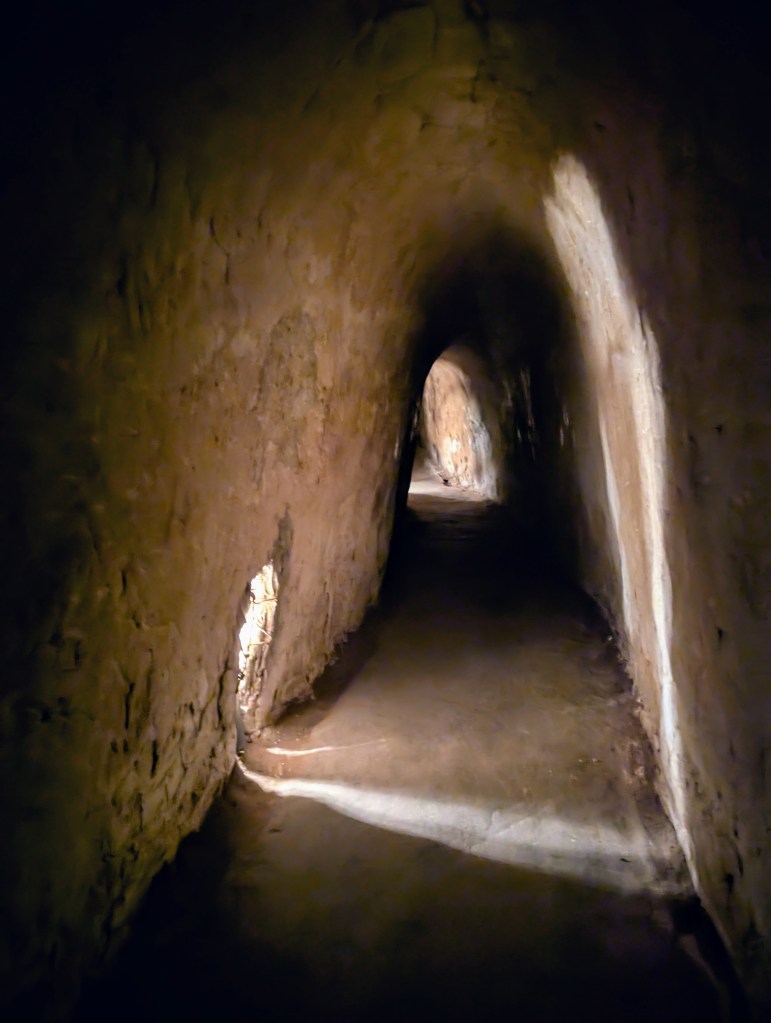
The tunnels are extremely narrow, and the first time I got inside I felt the walls pressing onto me and my heart rate increasing. You could not stand but rather had to crouch to move forward. Overall, I covered 60m below the ground. Those who could not stand the pressure, could exit earlier at 20m or 40m.
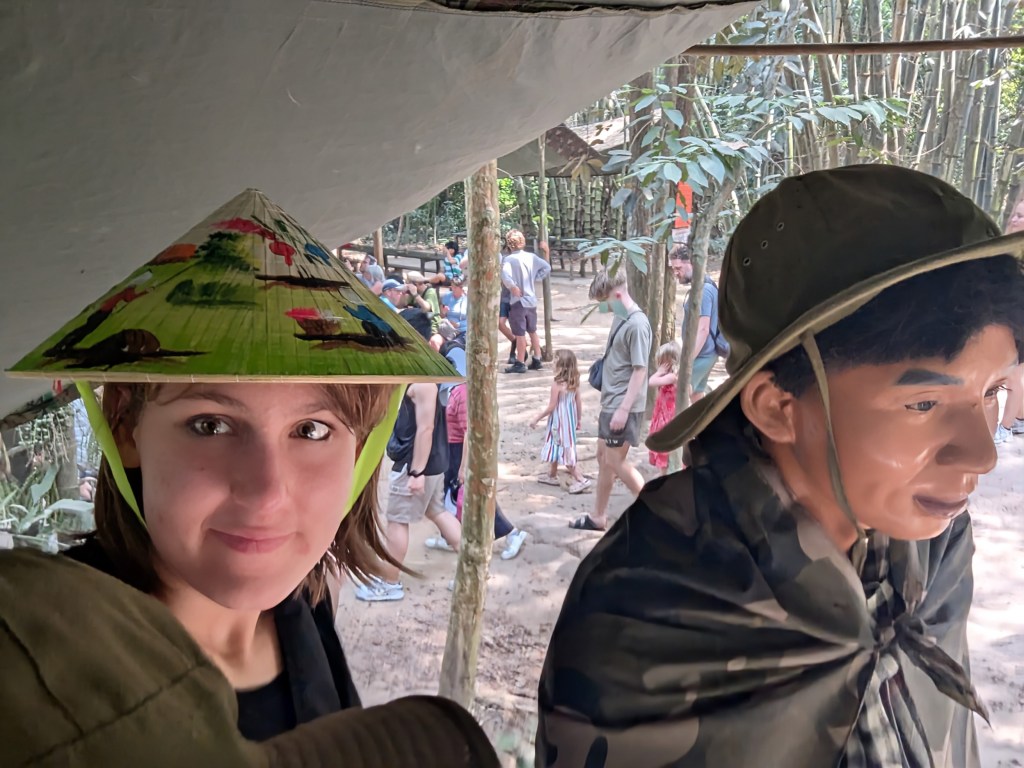
As I am travelling in Asia on a budget, I originally intended to go and see Cu Chi tunnels solo. However, I quickly realized that doing 2 hours one way via public transport is a no-go and booked a tour, which was not that expensive after all. Same with Mekong Delta, but more on that below.
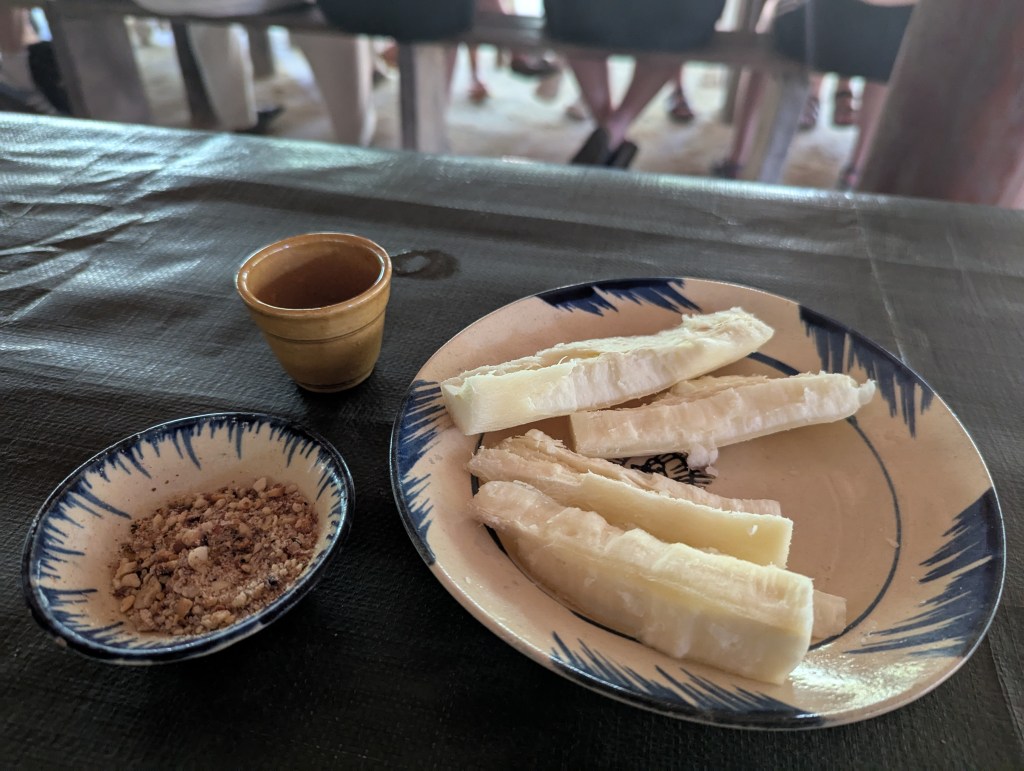
What you see below is not some slices of banana – instead, this is tapioca. It is tasteless, to say the least, and what makes it peculiar is how quickly it dries out your mouth. Like a sponge, it absorbs all moisture and life from you.
Out of all the Asian countries, Vietnam, Cambodia, and Indonesia are probably the cheapest. You could have a decent dinner for $4, and public bus ride could be 20 cents!
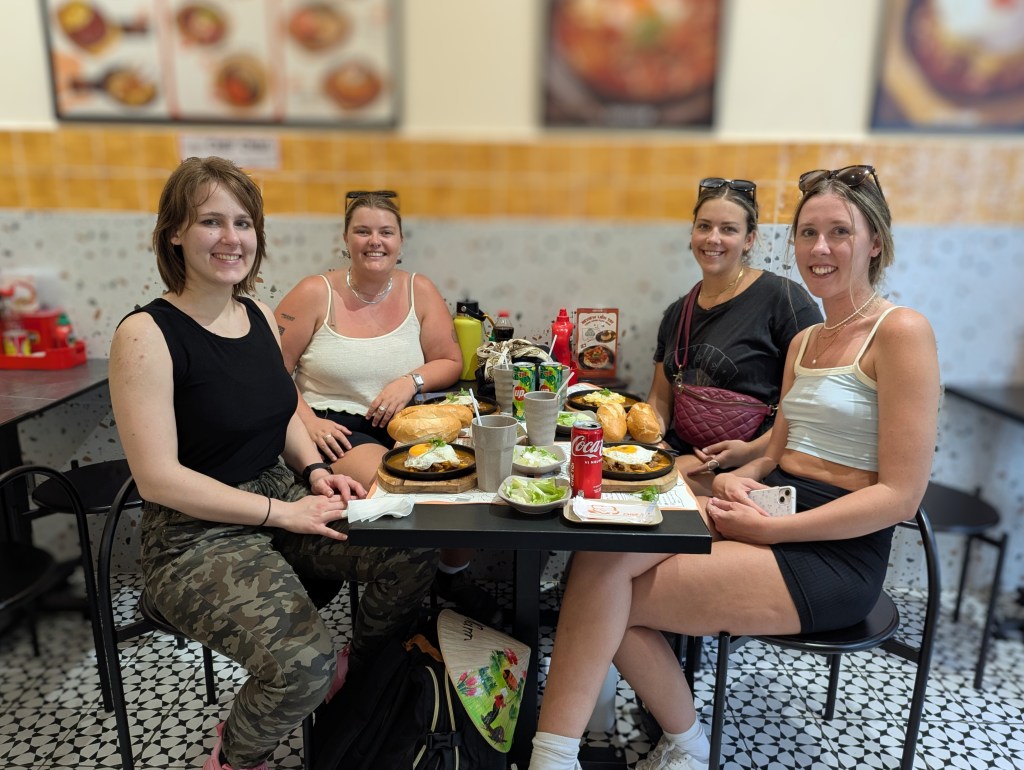
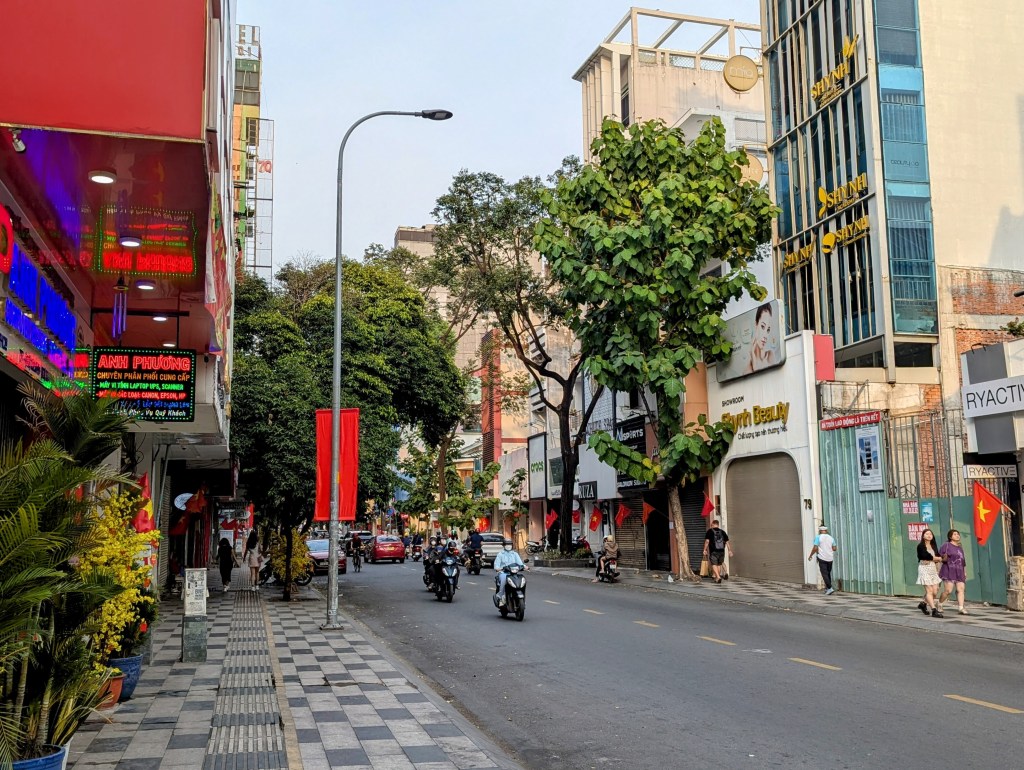
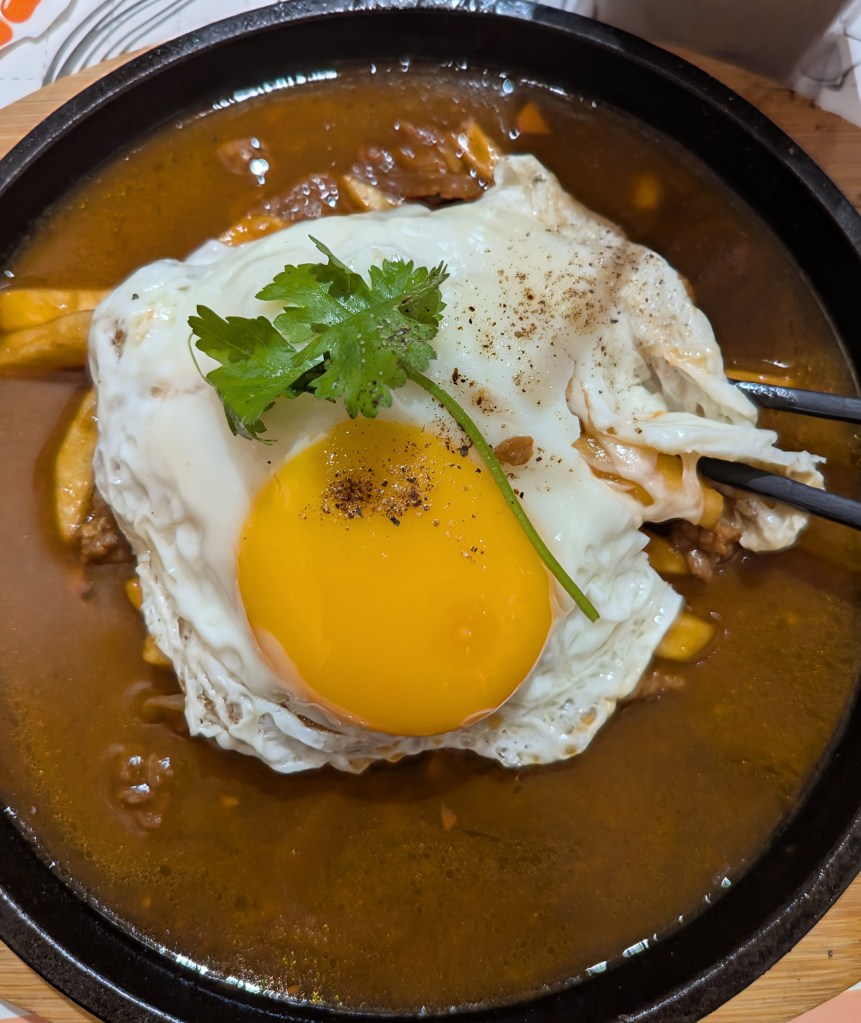
However, it all comes at a price, as well as some perks 😊 Just getting a glass of water at a restaurant is extra, same with napkins to clean your hands. Both things are conveniently forgotten to be mentioned until the paying time comes. One thing that also surprised me was that you need to take toilet paper in advance before going into a public washroom, so just having dry napkins in your pocket will always be quite handy.
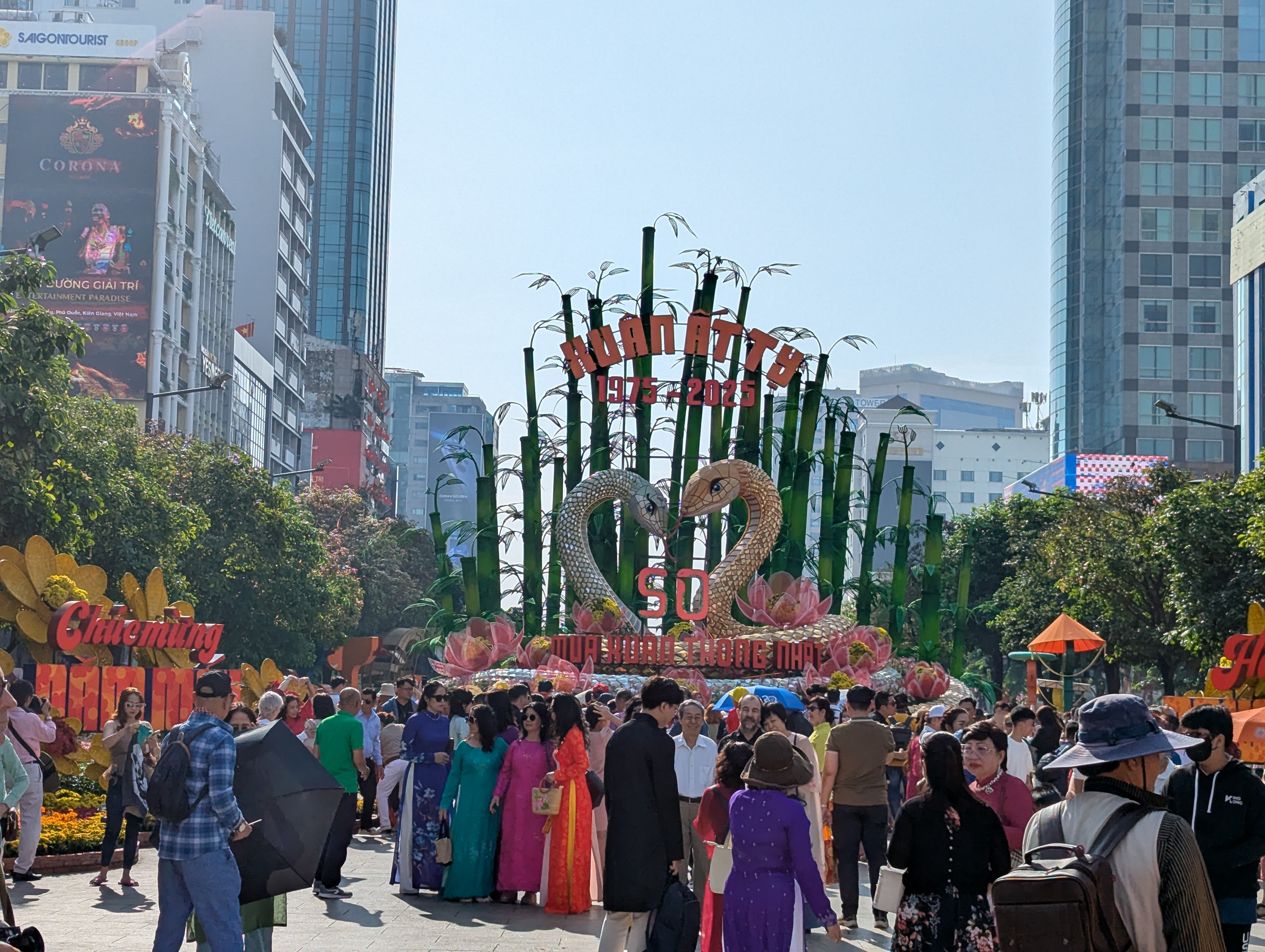
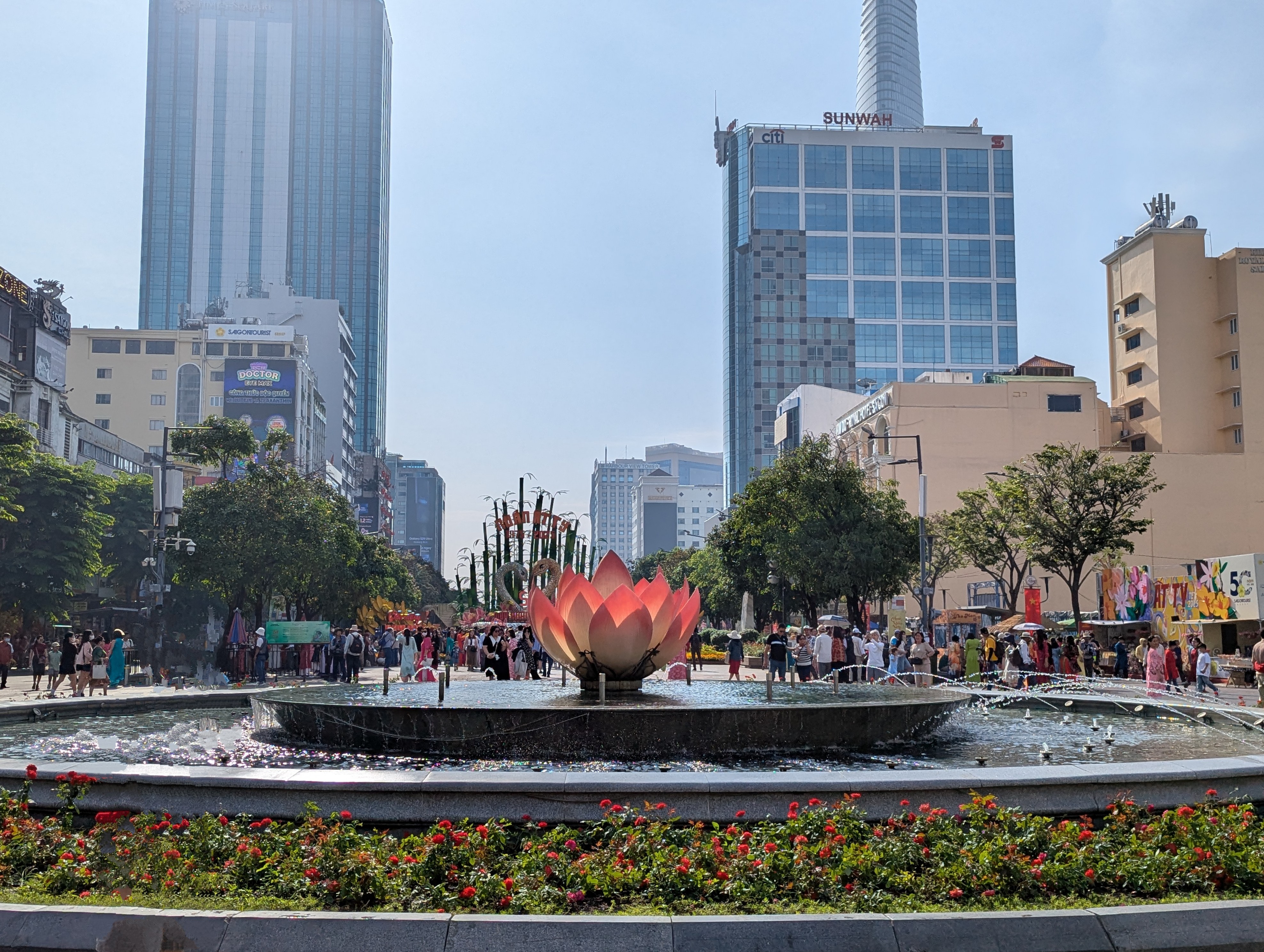
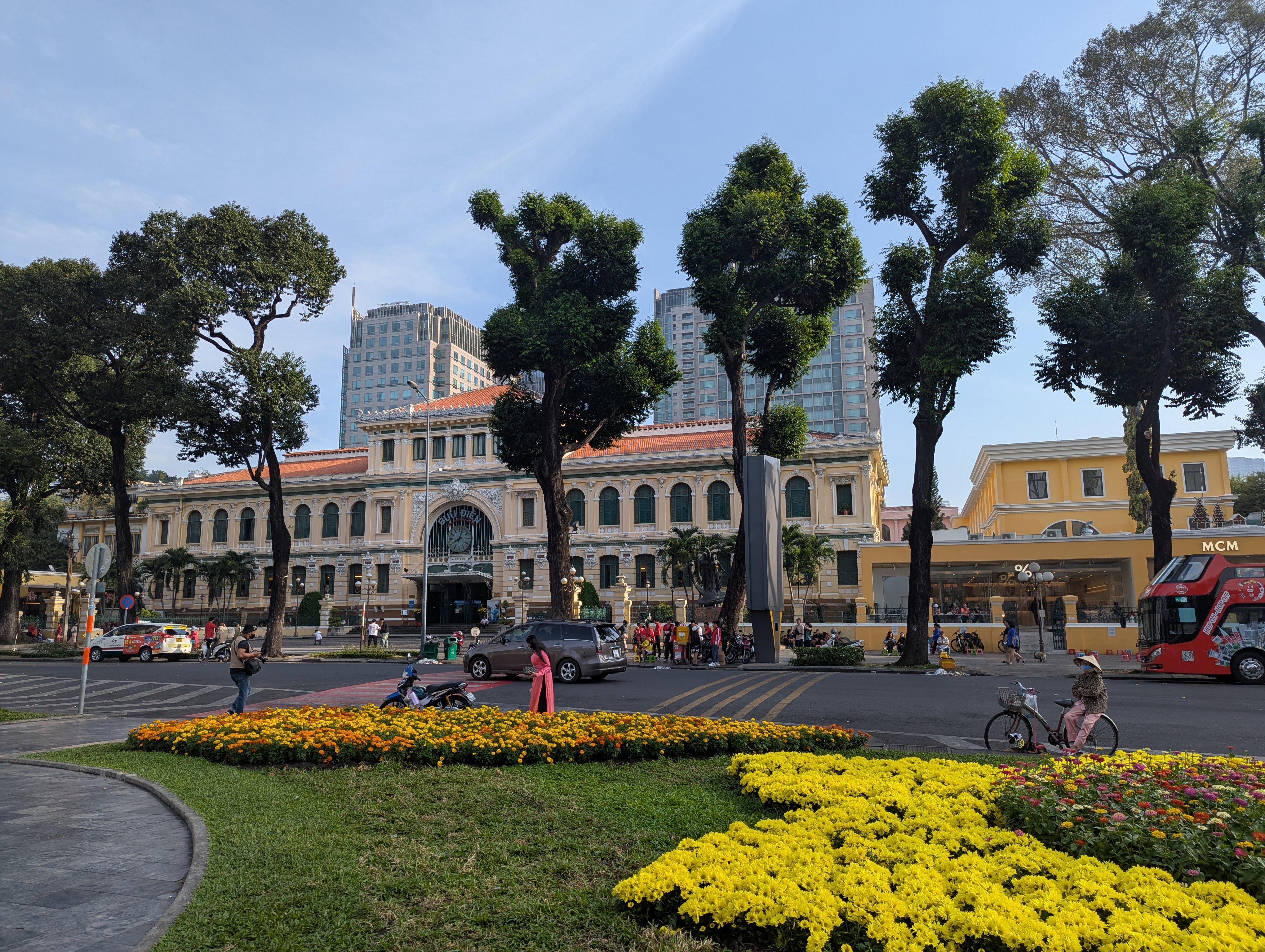
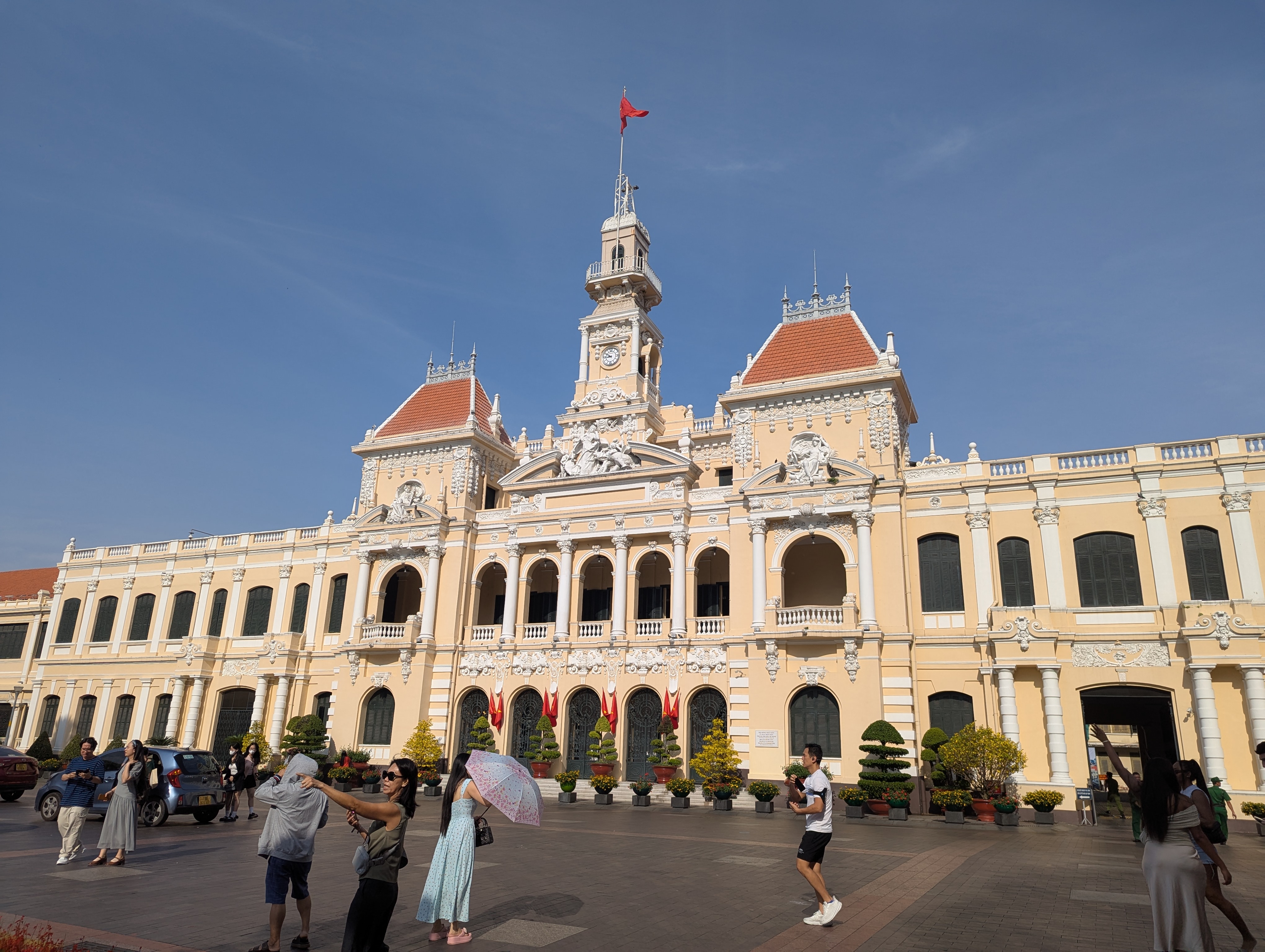
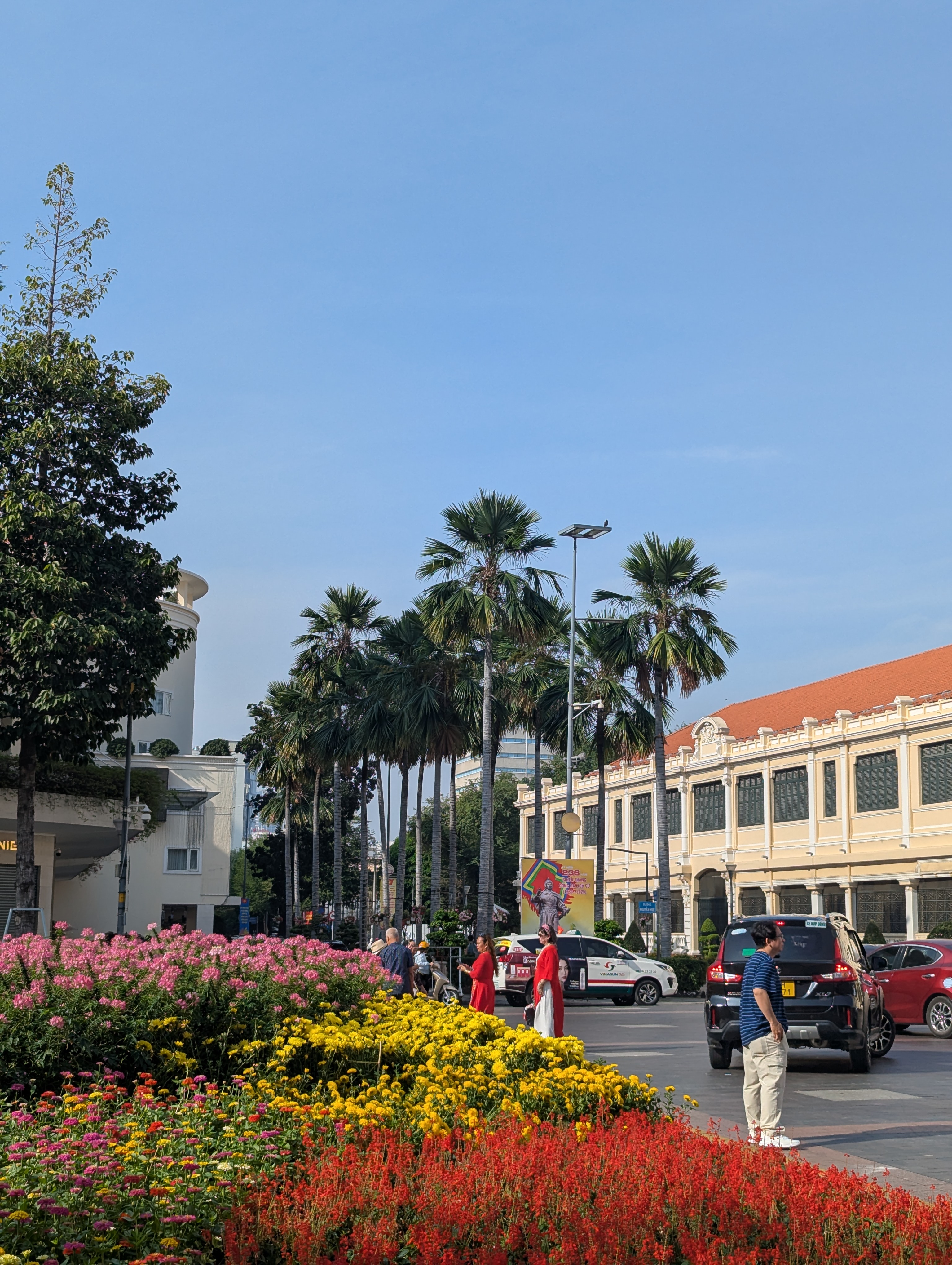
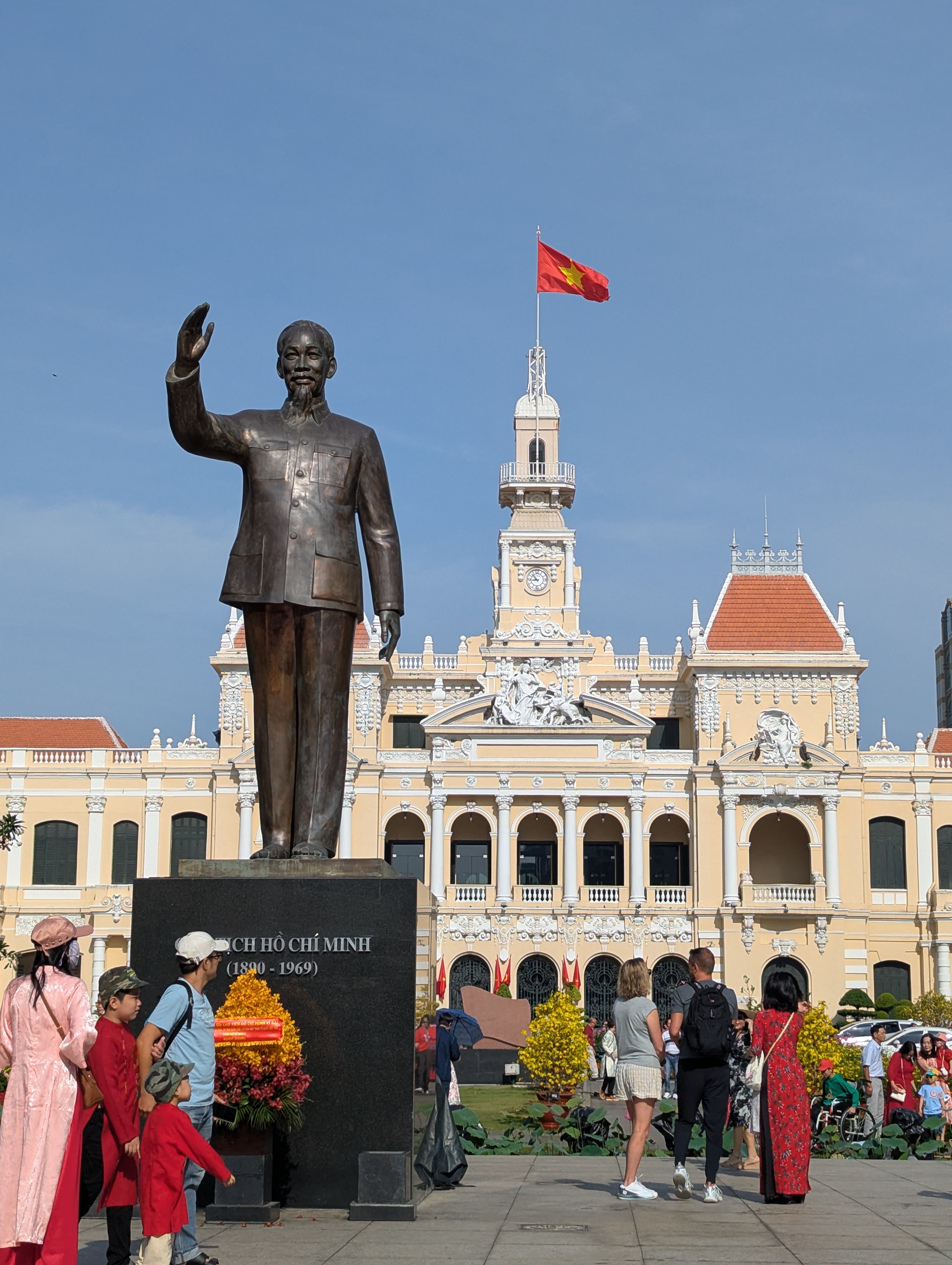
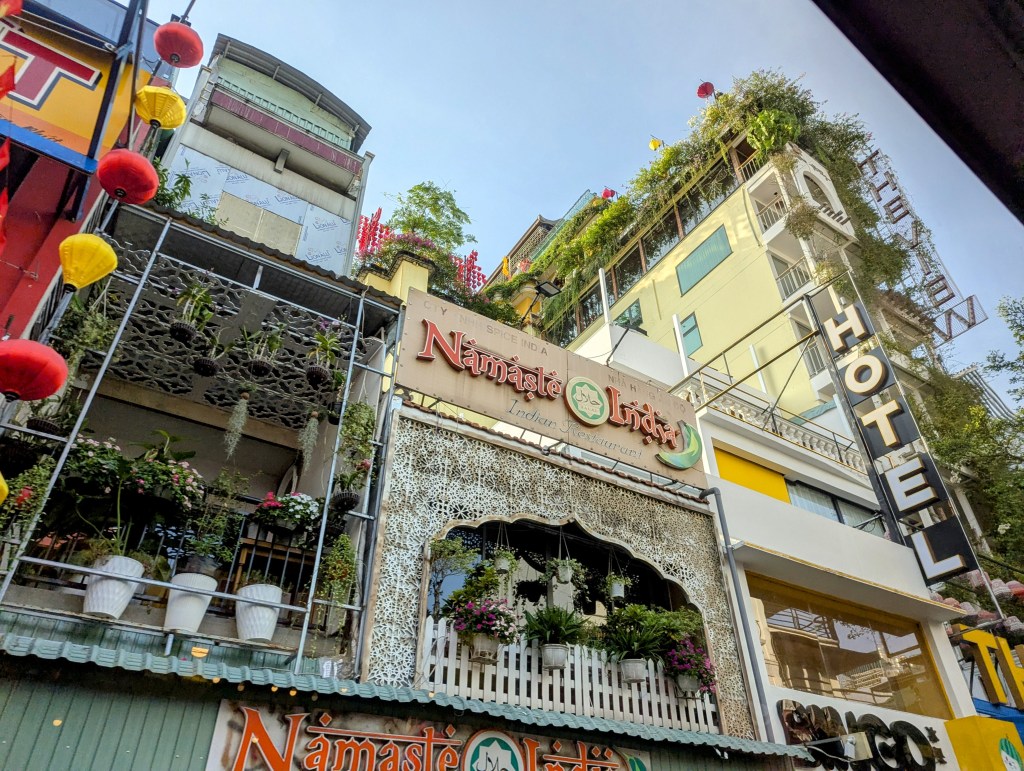
Night life is more than vibrant. The real Ho Chi Minh comes to life at night – the bars open, music plays, colorful lights welcome you to come inside – along with the bar staff calling you out, and exotic dancers. The whirl of different smells of foods – oh, wow, they make you drunk.
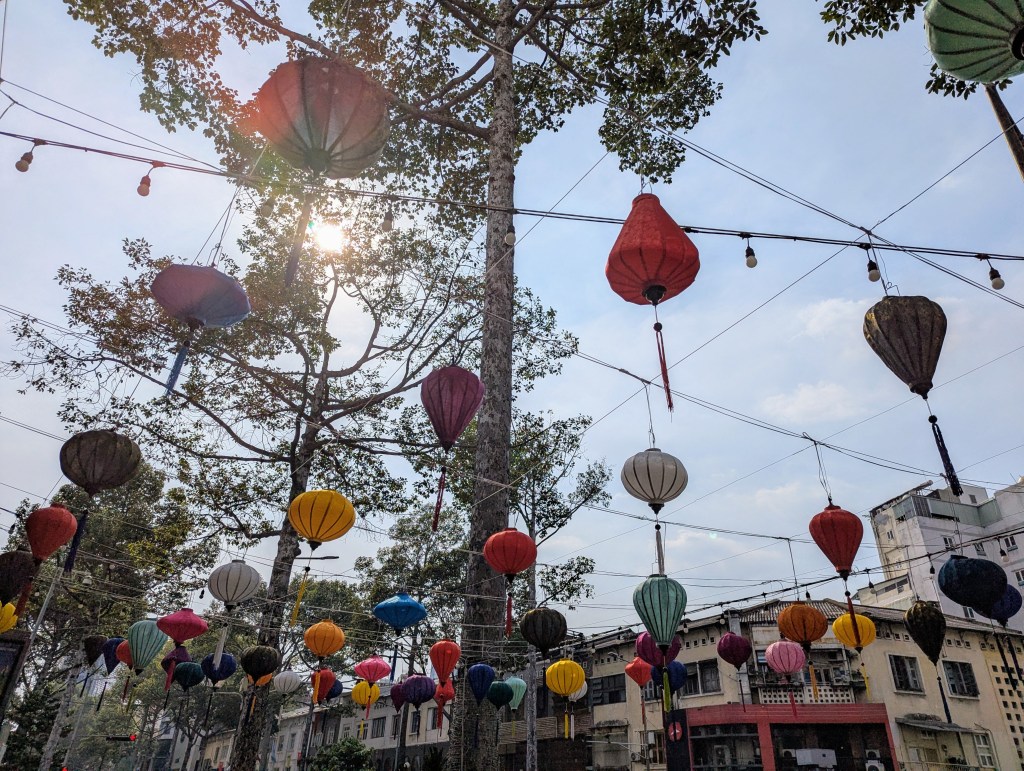
There are lots of aussies travelling here, and many backpackers like me. Solo travelers (both male and female) set up on month-long journeys, covering not only Vietnam, but Laos, Cambodia, Malaysia, Indonesia, and Philippines.
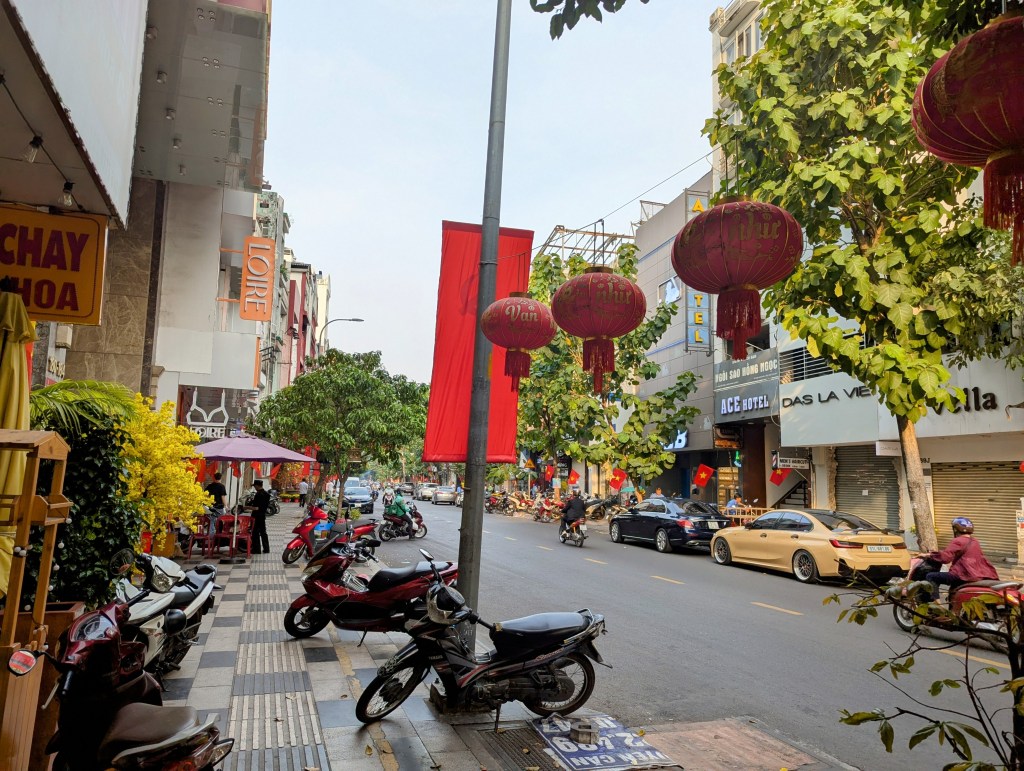
The streets are flooded with cars and bikes. Well, bikes. Mostly bikes. They merge on the roads, like a big amoeba, or a flock of birds, and nobody knows how this dynamic invertebrate creature regulates itself and knows exactly where to go. Especially because any driving rules are absent, and drivers remain absolutely indifferent of the others on the road – they would see you turning, and knowing damn well you do not see them, still drive up close enough to hit you – but not close enough to leave a bruise – roll their eyes, beep, and move on with their life (and their drive). The assertion of the drive is on the boundary with pure stupidity, and pedestrians’ rights and freedoms are not respected lol.
Do you know how Russian spetsnaz trains? The soldiers lie down on the rails just before train comes, and it’s up to their resilience to keep themselves intact while the train is passing over them. Crossing the road in Vietnam feels a lot like that – bikers will absolutely ignore and drive straight into you. You can’t run (they sense your fear) and you can’t stop (other bikers are stalking you from behind). Instead, you confidently cross the road, completely ignoring the bikers competing to hit you first. Whoever of you two has the bigger balls, wins. Sometimes your balls are equal, in that case the biker slightly bumps into you, still pretending like you don’t exist, and what he just hit was an invisible wall. Then you both, ignoring each other better than the newly divorced couple, continue your ways.
To be fair, Ho Chi Minh is overcrowded, and a 10-minute bike ride could be equivalent to 1-1.5-hour long car ride.
For example, while all the bikes were flying past our bus, we spent 4 hours in traffic returning from the Mekong Delta.
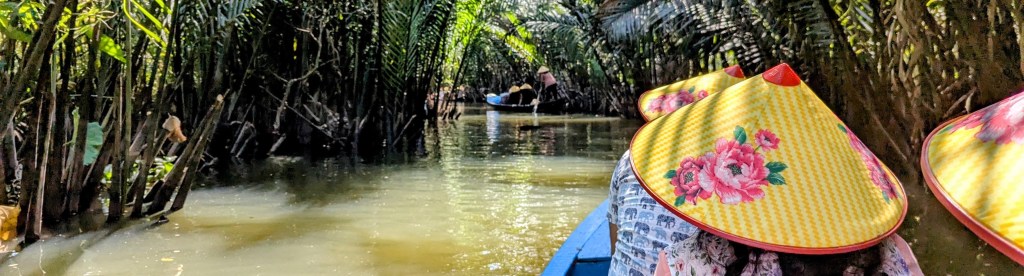
The palm tunnel slowly opening as you peacefully row through it will forever remain in my heart (see 360 vids, remember to adjust the quality and use VR glasses if you happen to have ones). The tour took us to two islands in the Mekong River (360 video 1, 2), showing different aspects of life of the Vietnamese handymen and farmers. They showed us how some amazing rice crepes with chia seeds are made, being fried and cooked under vapor at the same time; also rice popcorn, and coconut candies… The last ones were AMAZING and only had one ingredient – coconut (yet they had a distinct caramel after taste). The coconut is shredded, then put through a pressing machine to be turned into paste, then mixed with water and slowly cooked till it gains the thick consistency and that caramel flavor is exposed. This firm but elastic coconut substance is then shaped into candies.
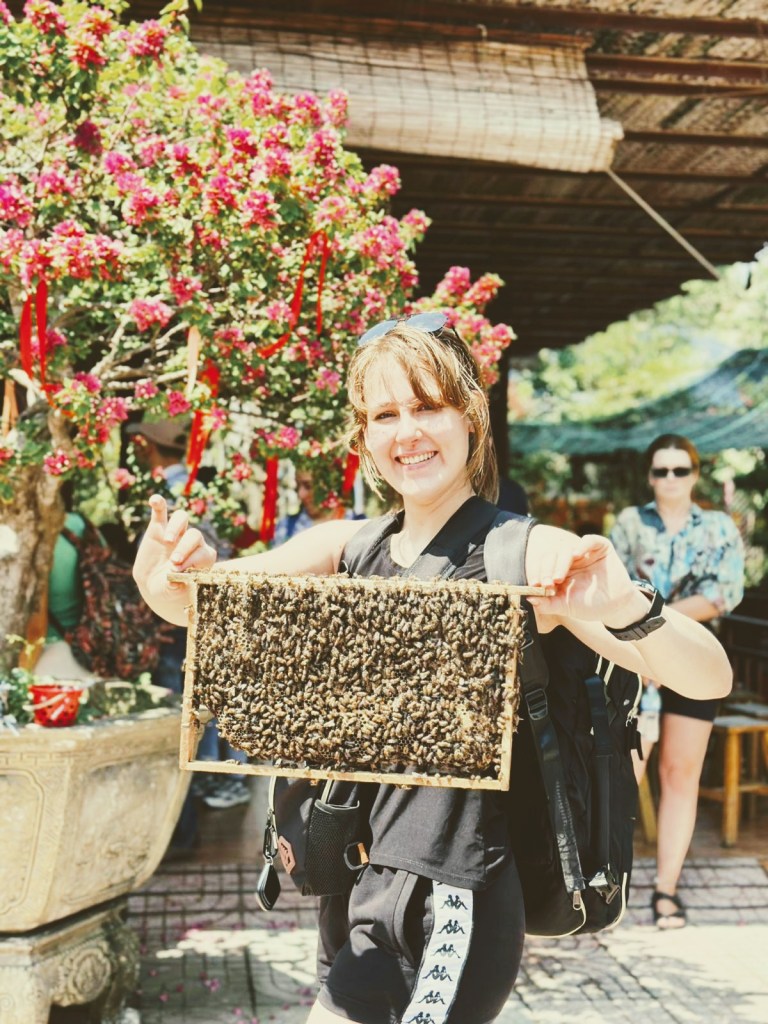
And yes, we had some fun holding the bees.
Additionally, here is a picture of me & my newly found soulmate:
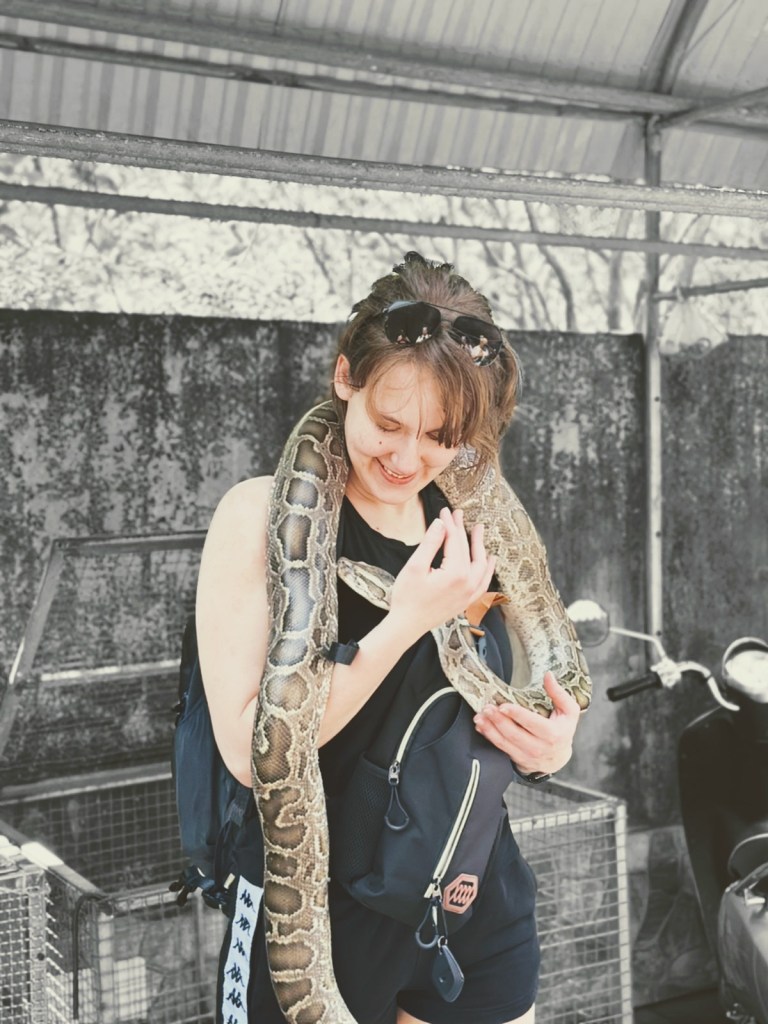
The area we went to was quite touristy, but the other remote parts of the Mekong River are full of crocodiles. One captured crocodile could buy its hunter a motorcycle – which is an interesting exchange rate if you ask me.
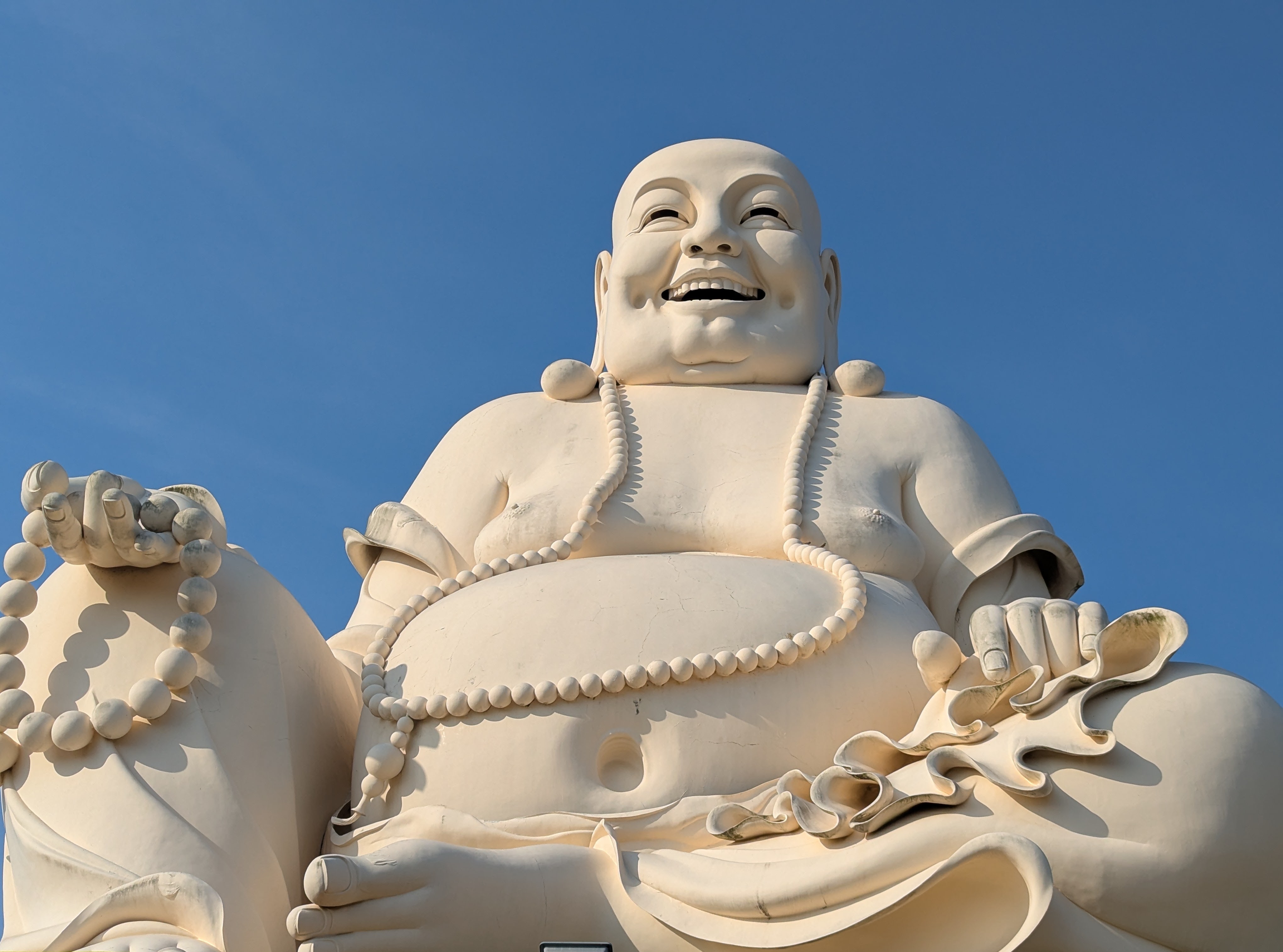
Finally, a visit to Happy Buddha temple – this Buddha is believed to bring you a year of happiness if you ask him nicely and bend 3 times. 360 overview vids can be found here, here, and here.
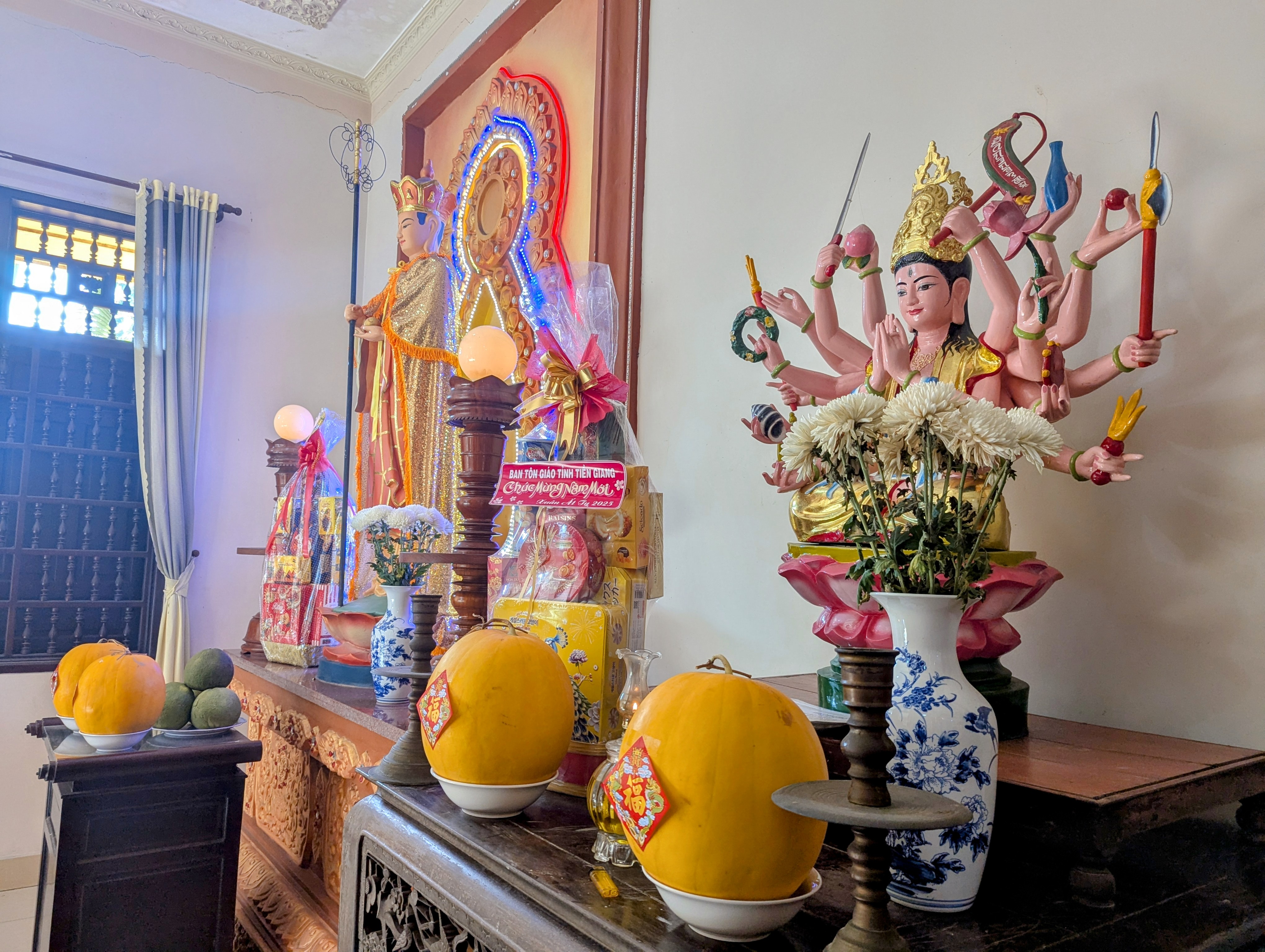
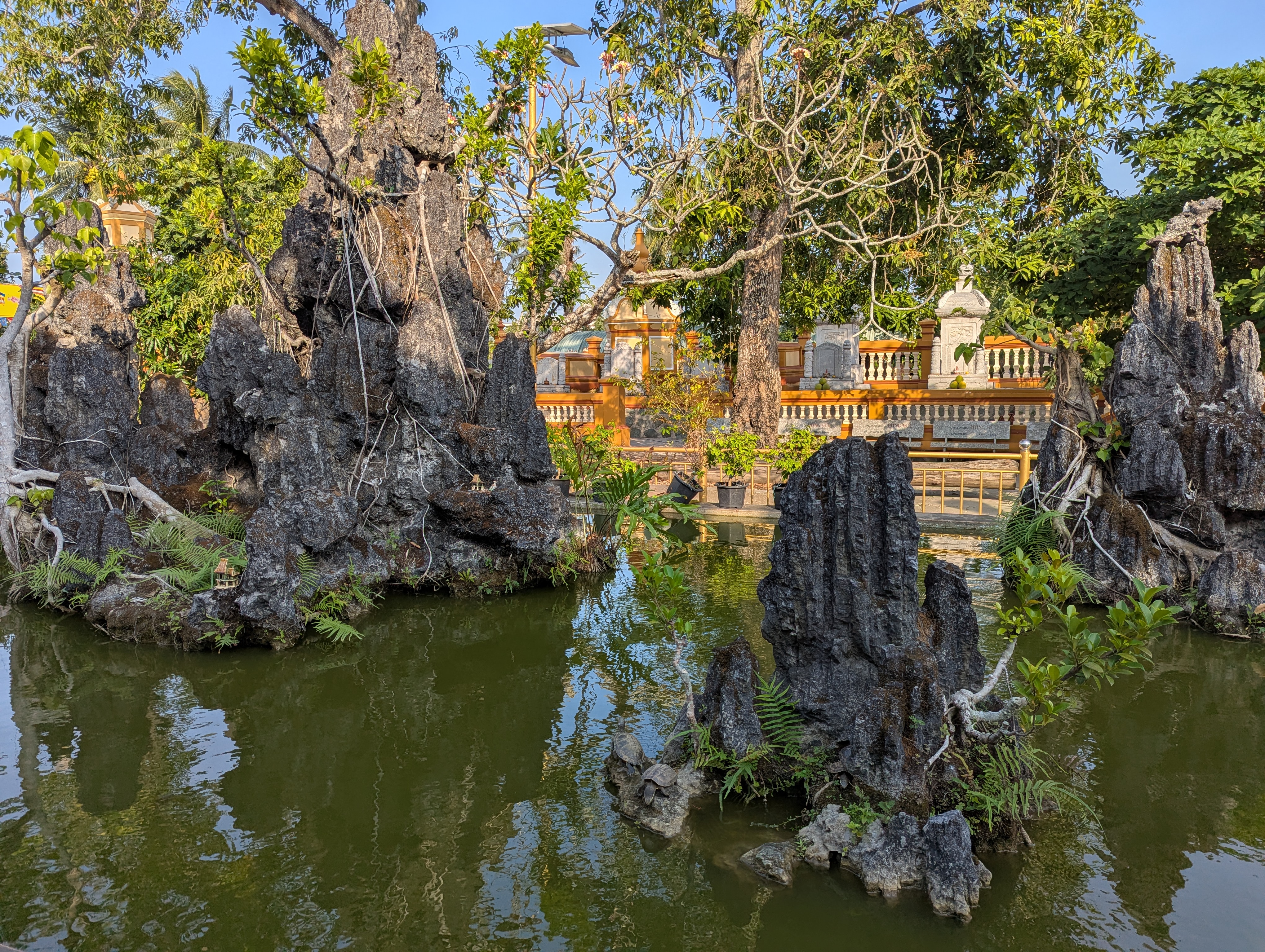

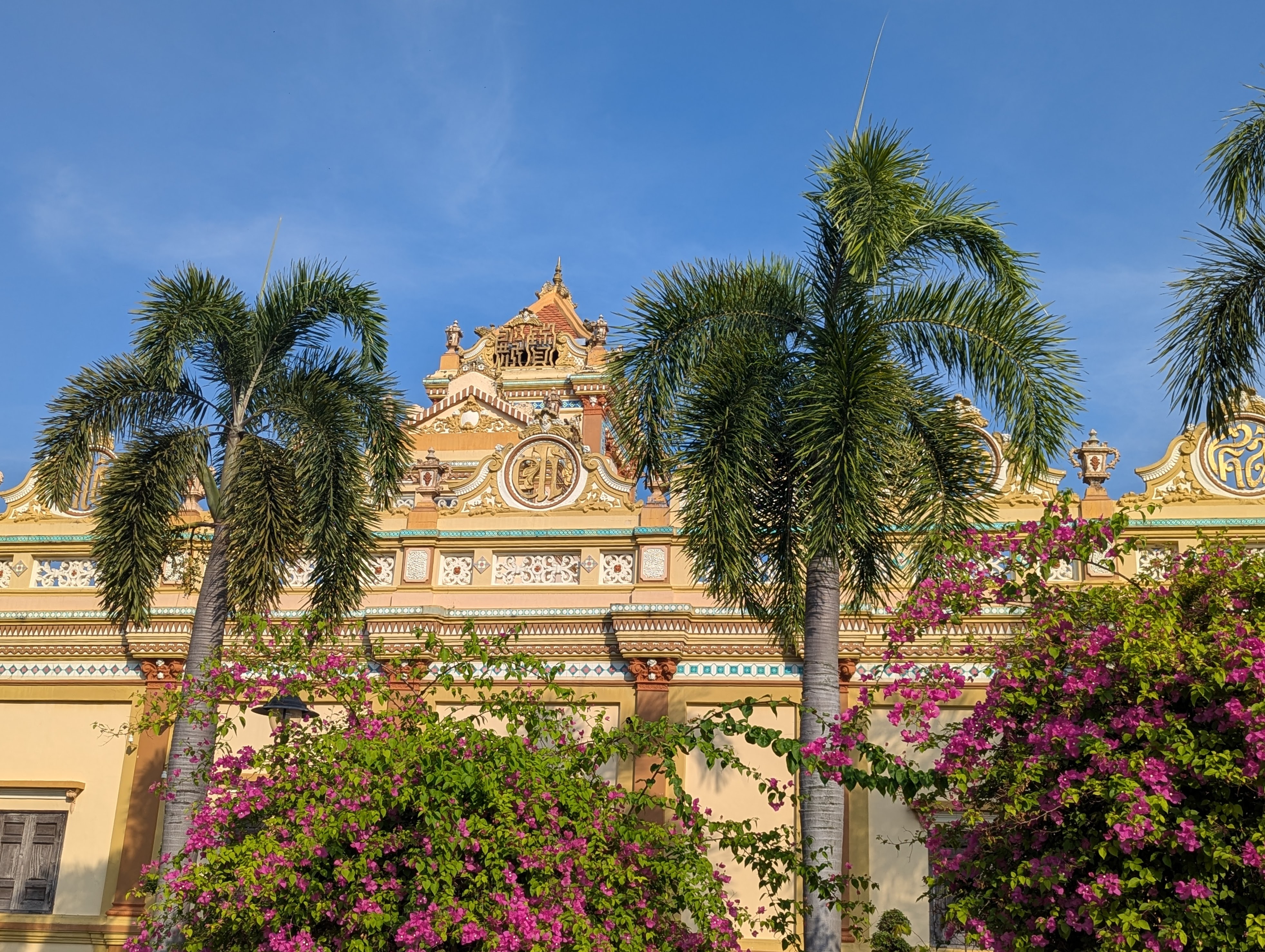
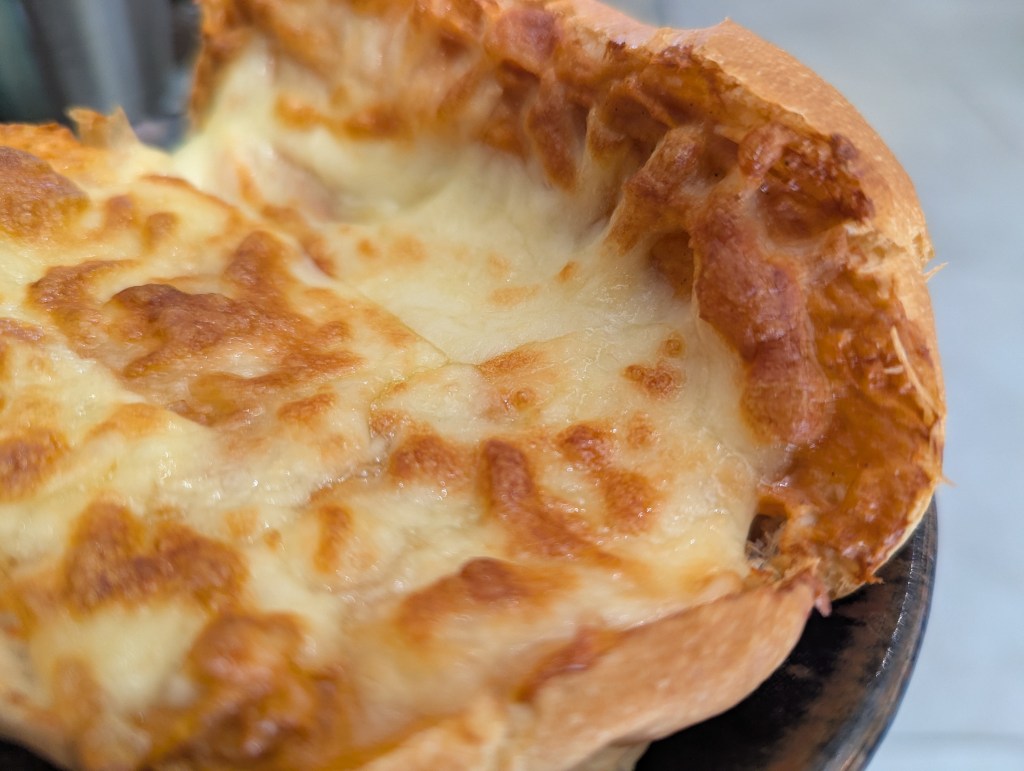
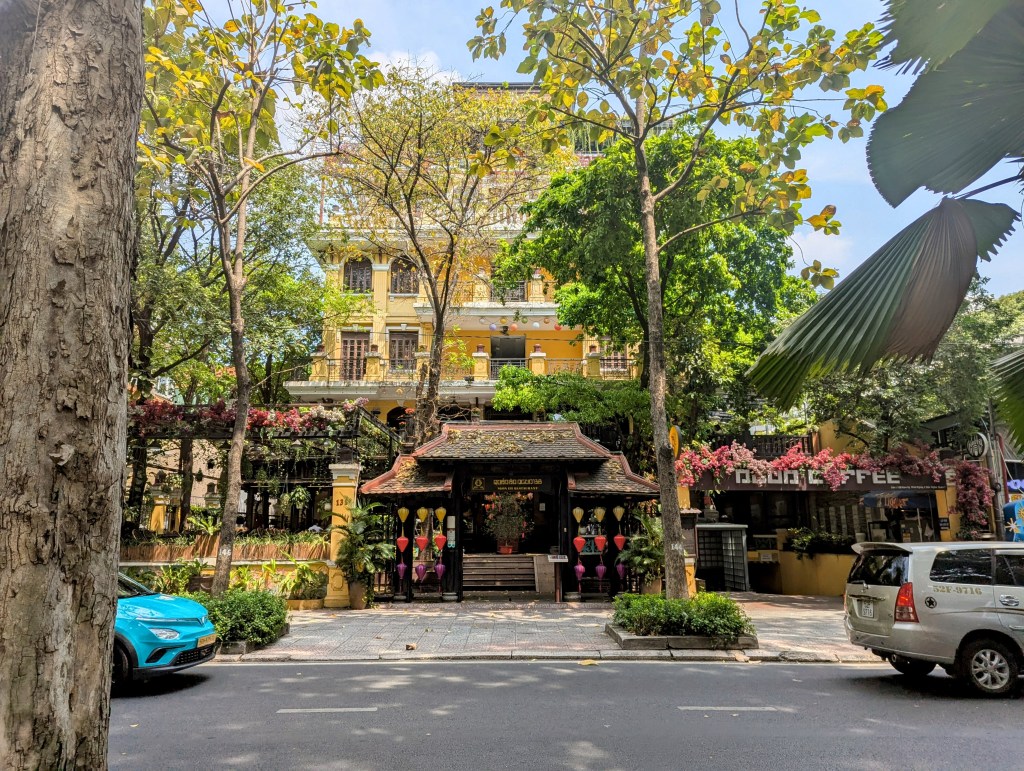
Ho Chi Minh is a very lively city. For example, just look at The Café Apartment, where I got the tastiest egg coffee I have ever tried (also the only one), along with garlic-y crab meat cheese burger.
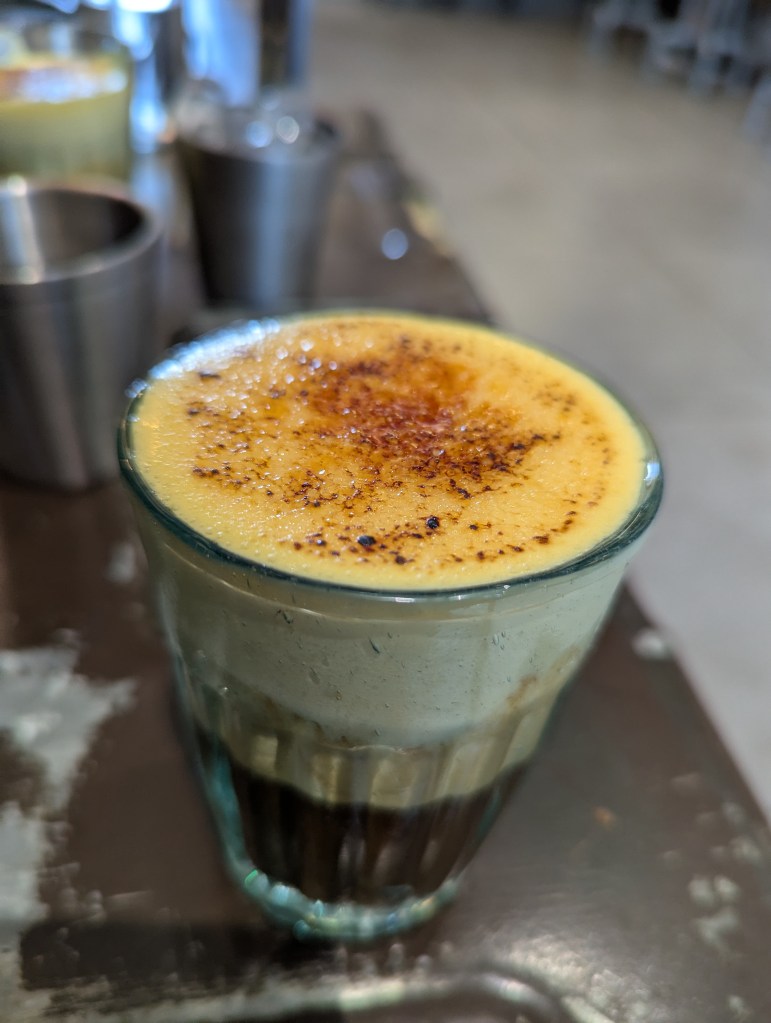
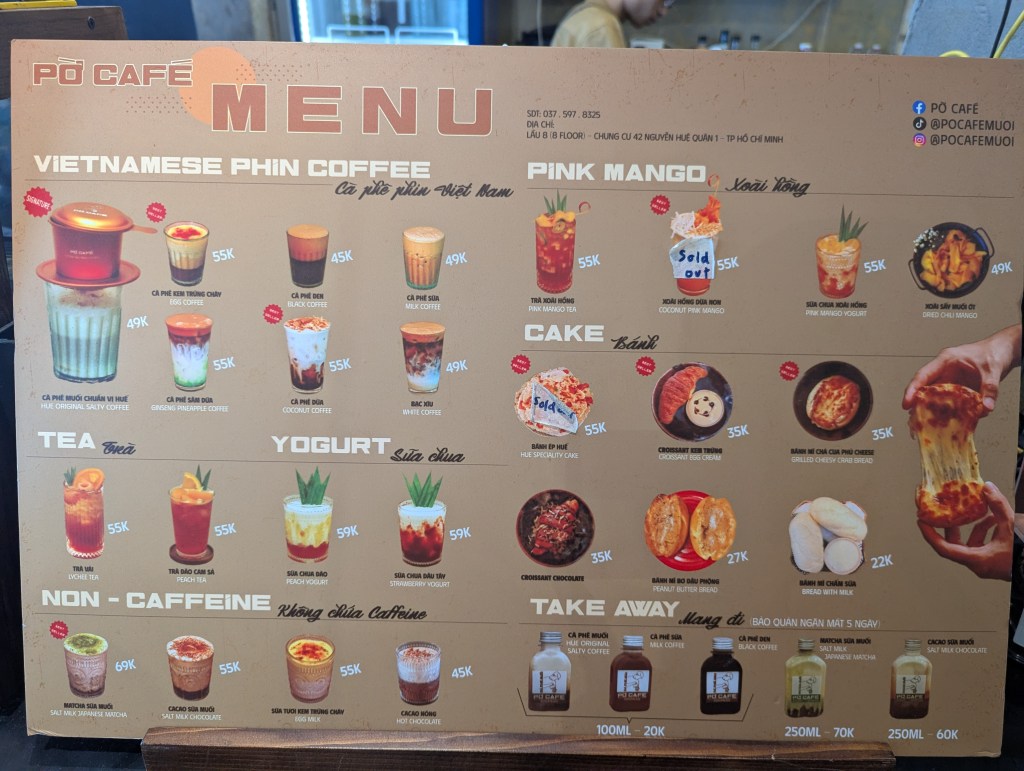
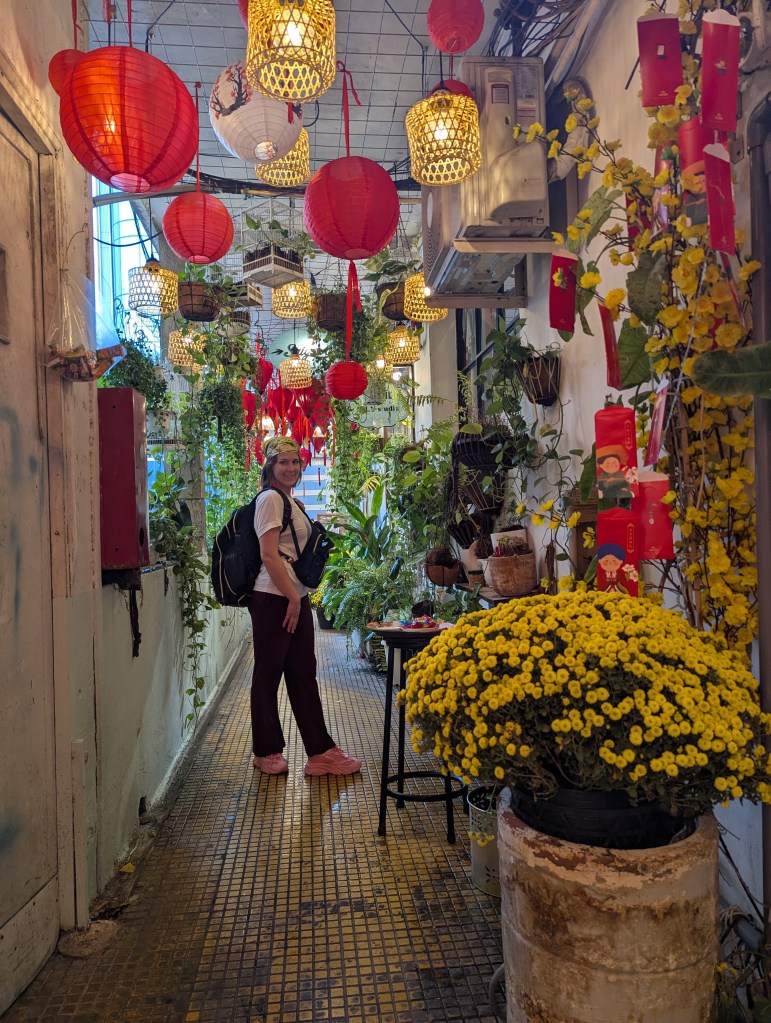
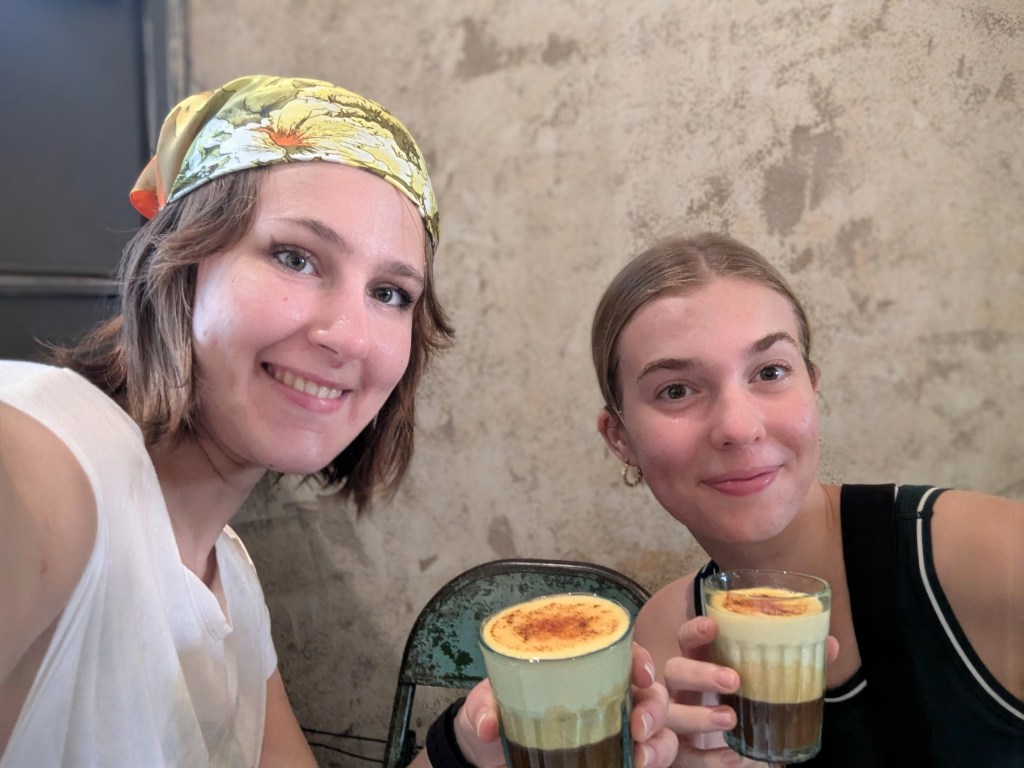
Vietnam is famous for its coffee, and I will definitely bring some packs back home to treat my family. Not to mention all its variations creative peeps came up with. Egg coffee, coconut coffee, chocolate & white chocolate coffee… the list goes on. Apart from this elixir of life, Vietnamese are also famous for the silk (got a silk scarf to craft a bandana for my head). Finally, I absolutely adore their cute habit of putting condensed milk into drinks instead of sugar or sweeteners. I hate sugarcoated lies and coffees, but condensed milk just won my heart.
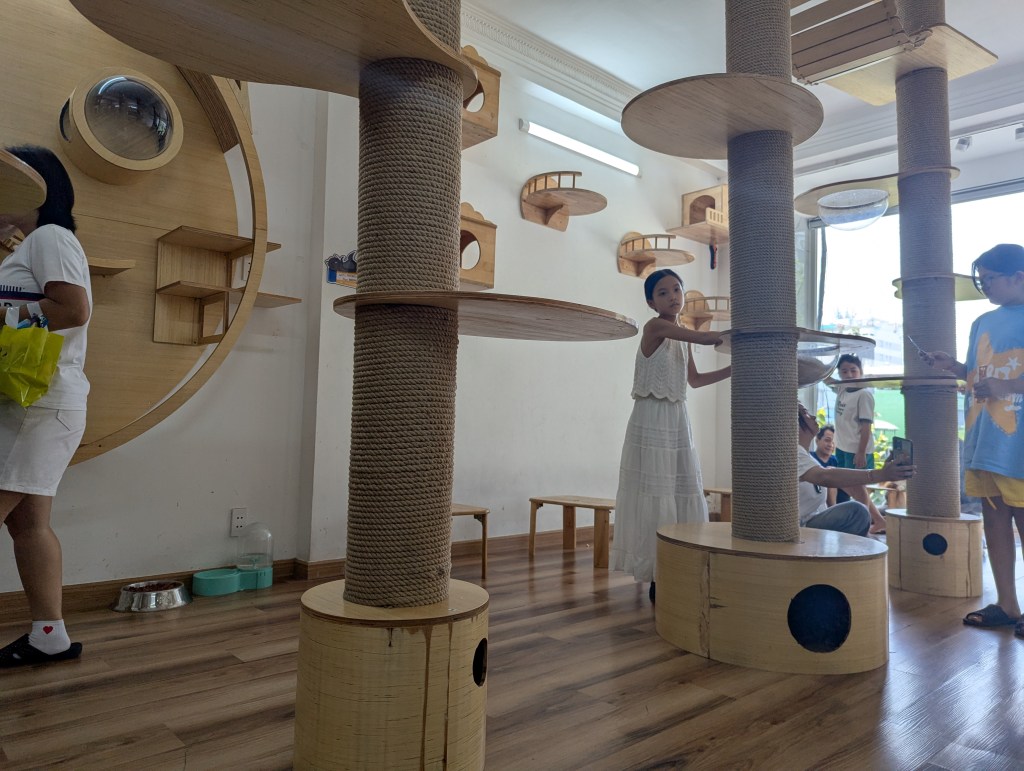
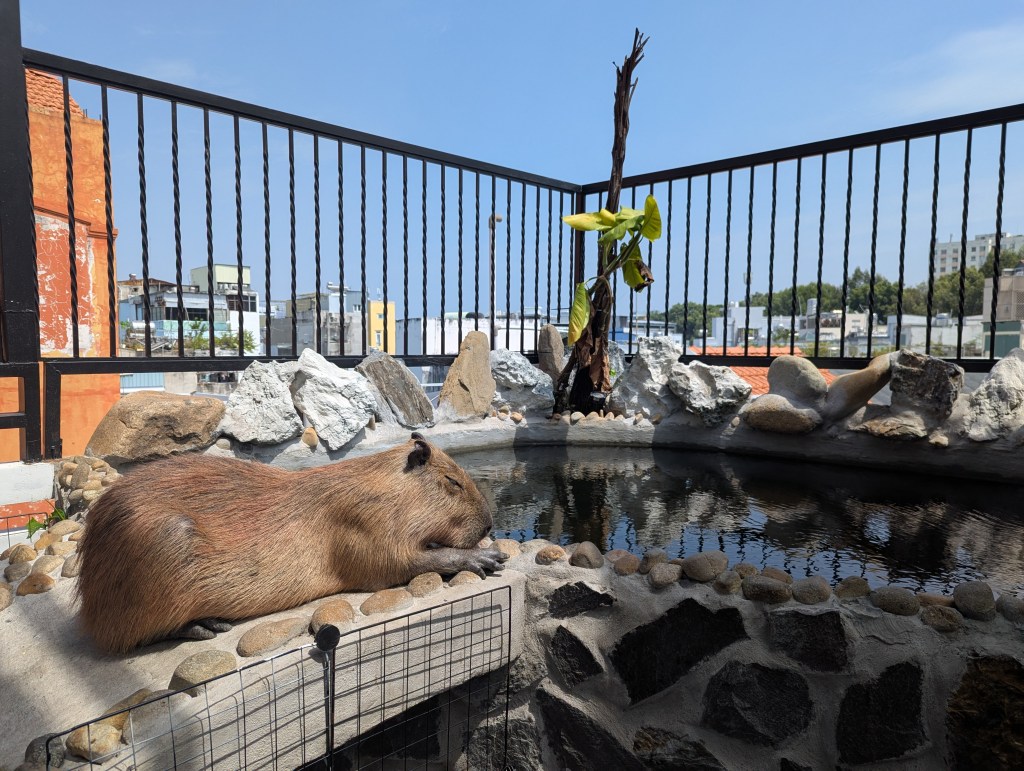
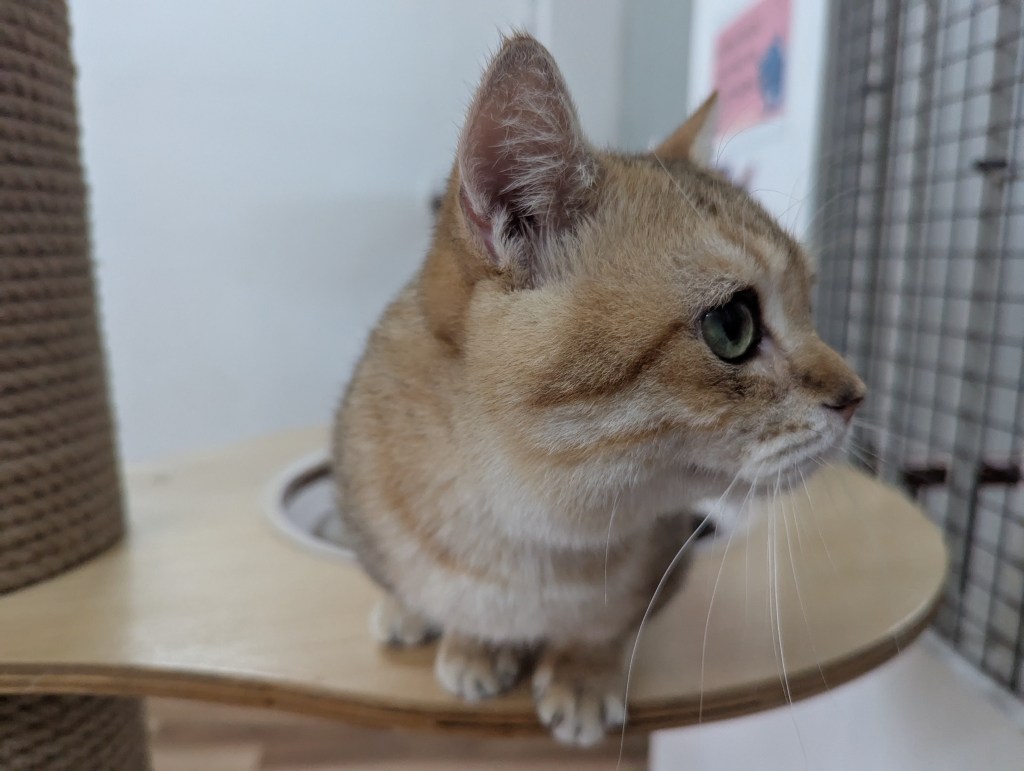
Also visited the capybara café (with a dog and cat floor, too). The entrance cost me only 100, 000 VND – or 5 CAD. For comparison purposes, I remember checking out a dog café in Toronto for something like $60 pp.


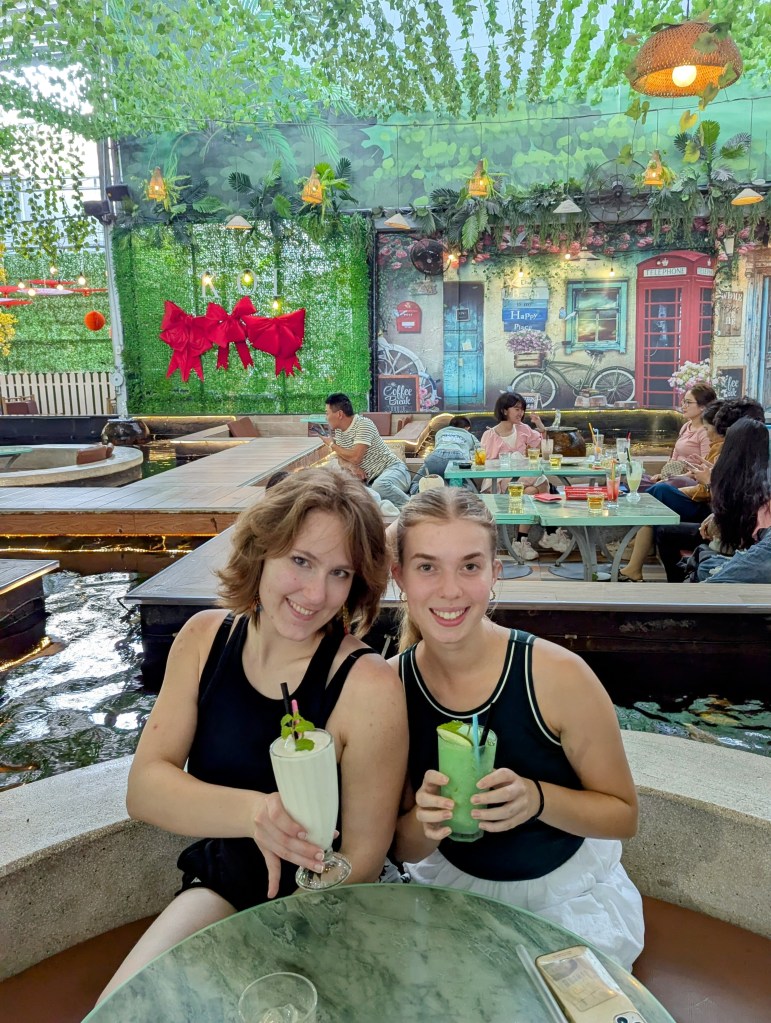
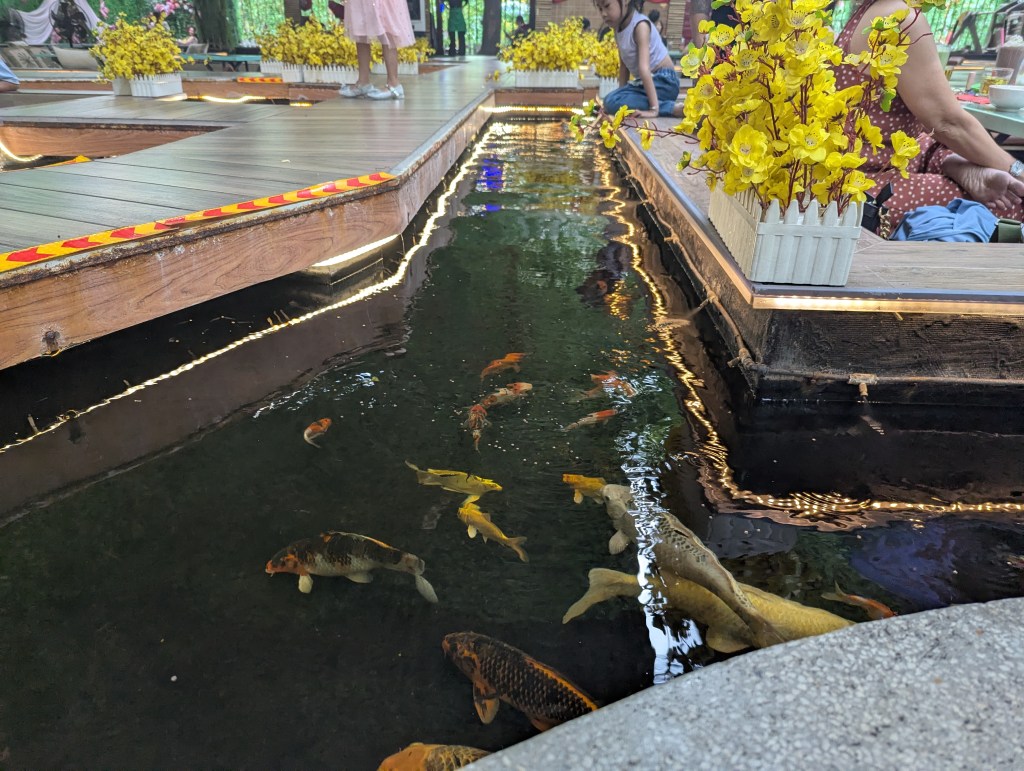
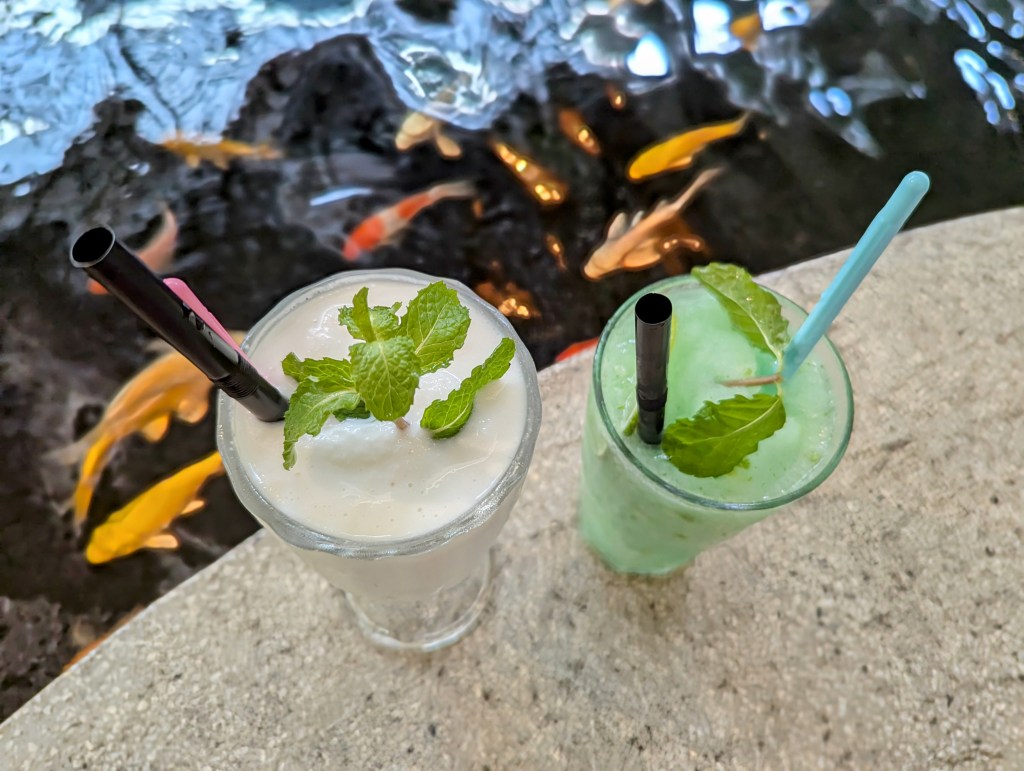
The most amazing was having a girl’s chit chat at the Koi cafe, where tables where installed in spaces, almost completely submerged in a pool with the colorful koi, under a retractable roof high above. An unforgettable experience that you get for a 4$ coconut smoothie and crushed ice lemonade.
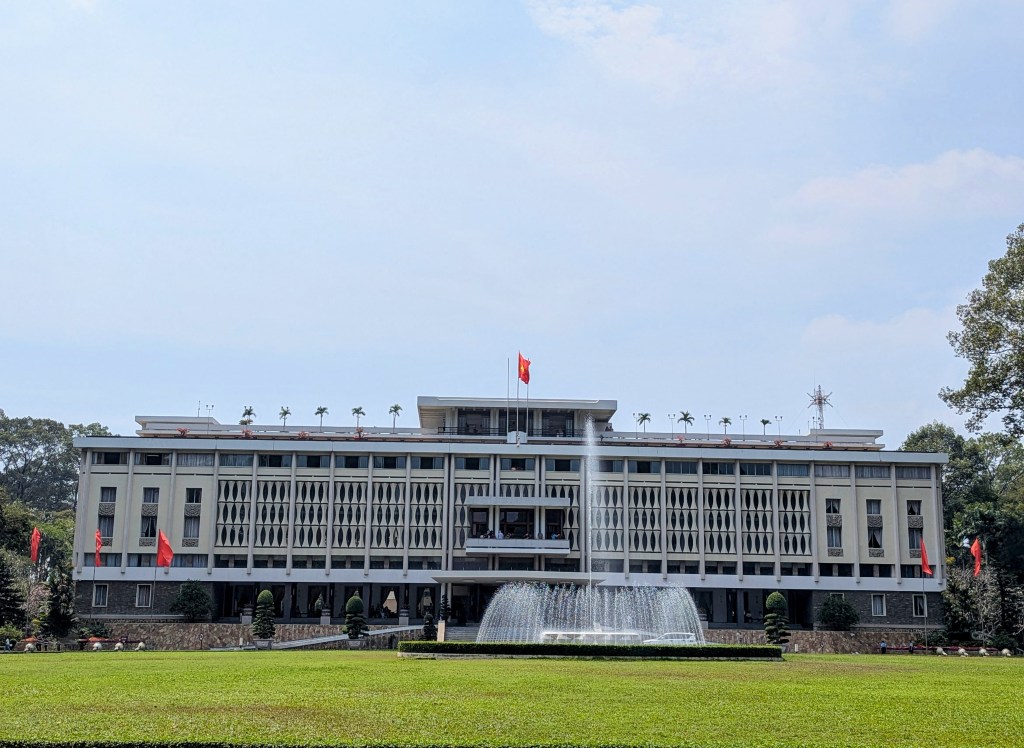
Finally, HCMC is home to Independence Palace – originally constructed by the French in the middle of the 19th century, it was later rebuilt according to the totally new plan; among its multiple functions, also served as the president’s residence.
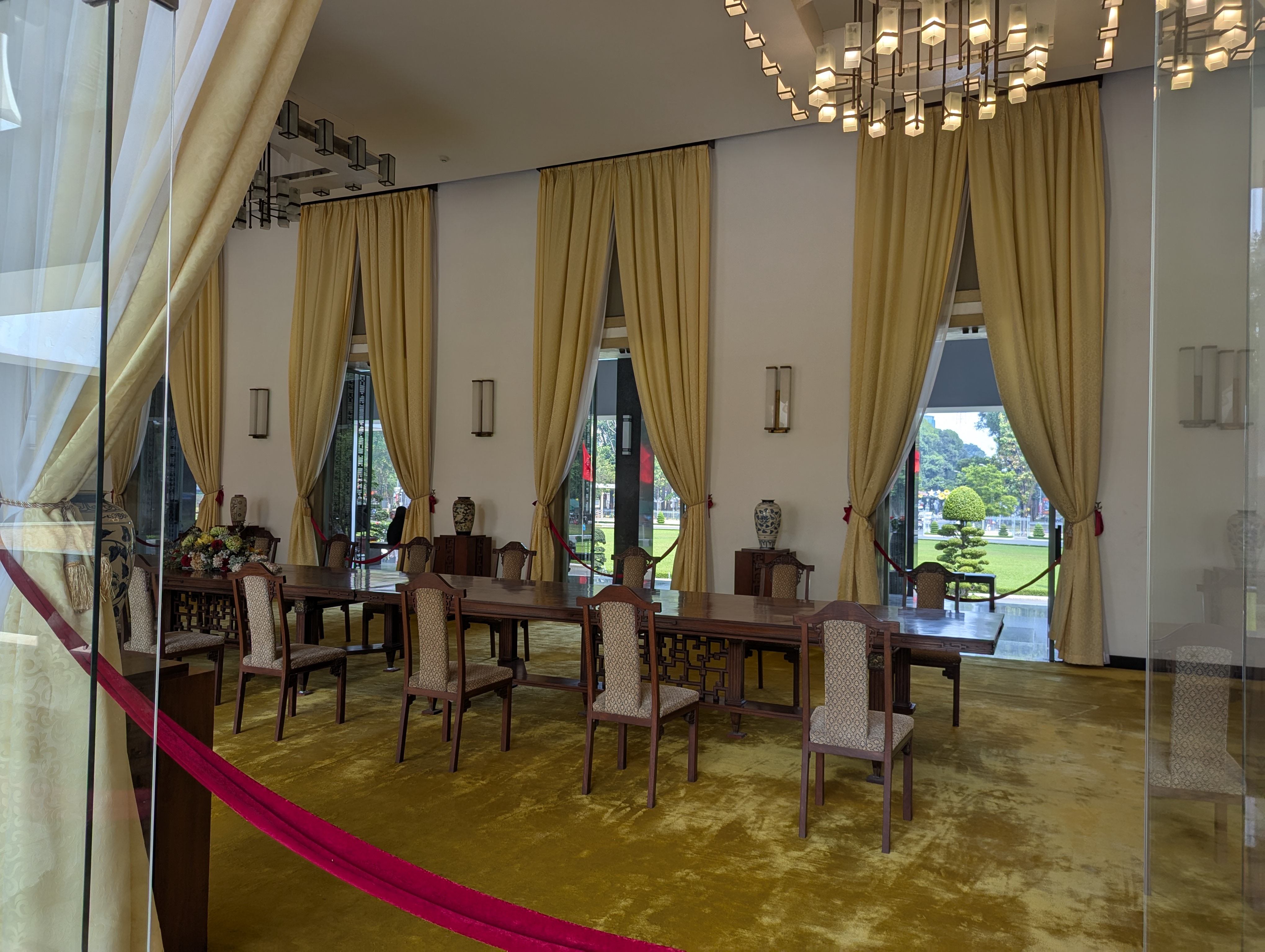
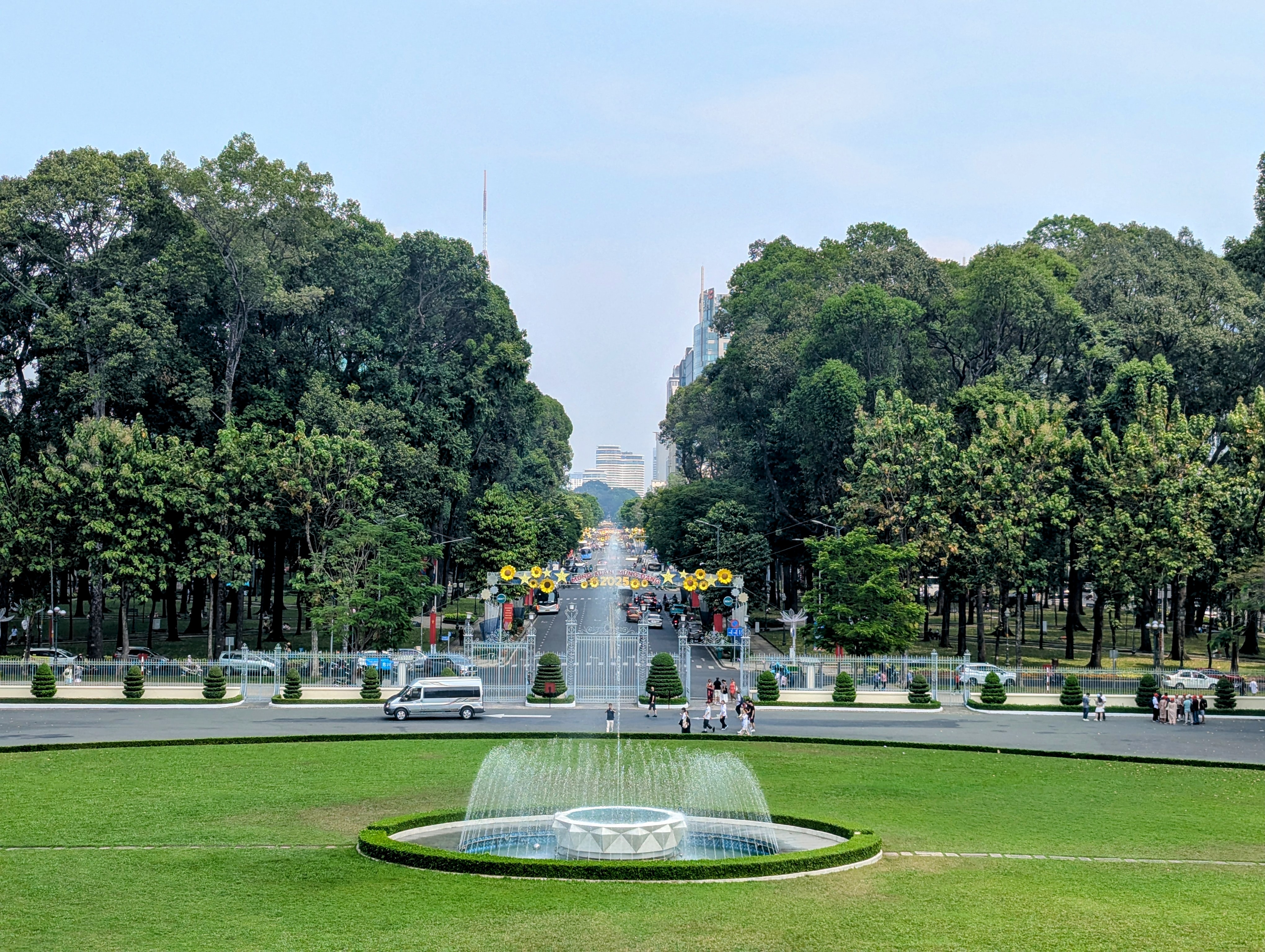
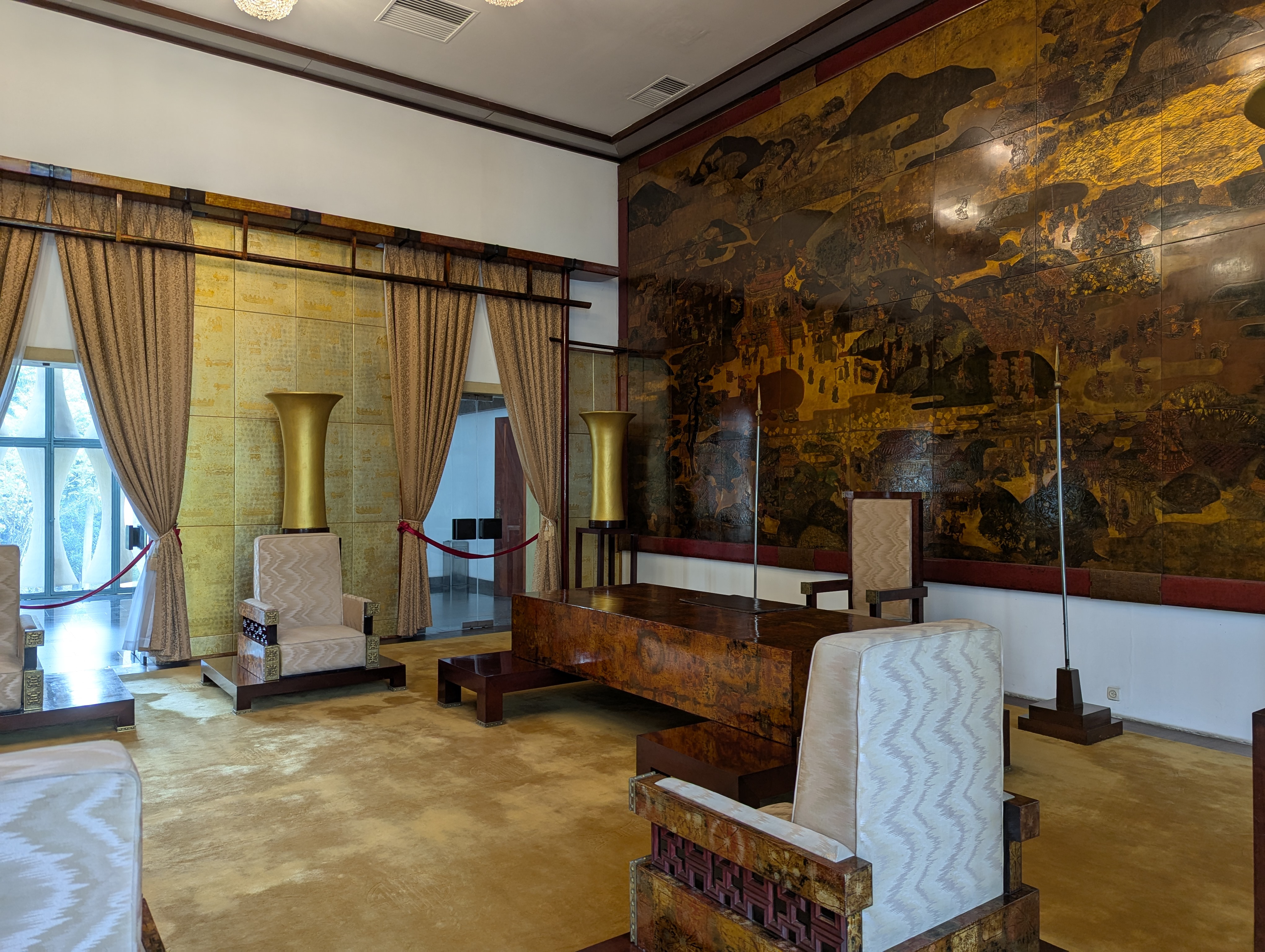
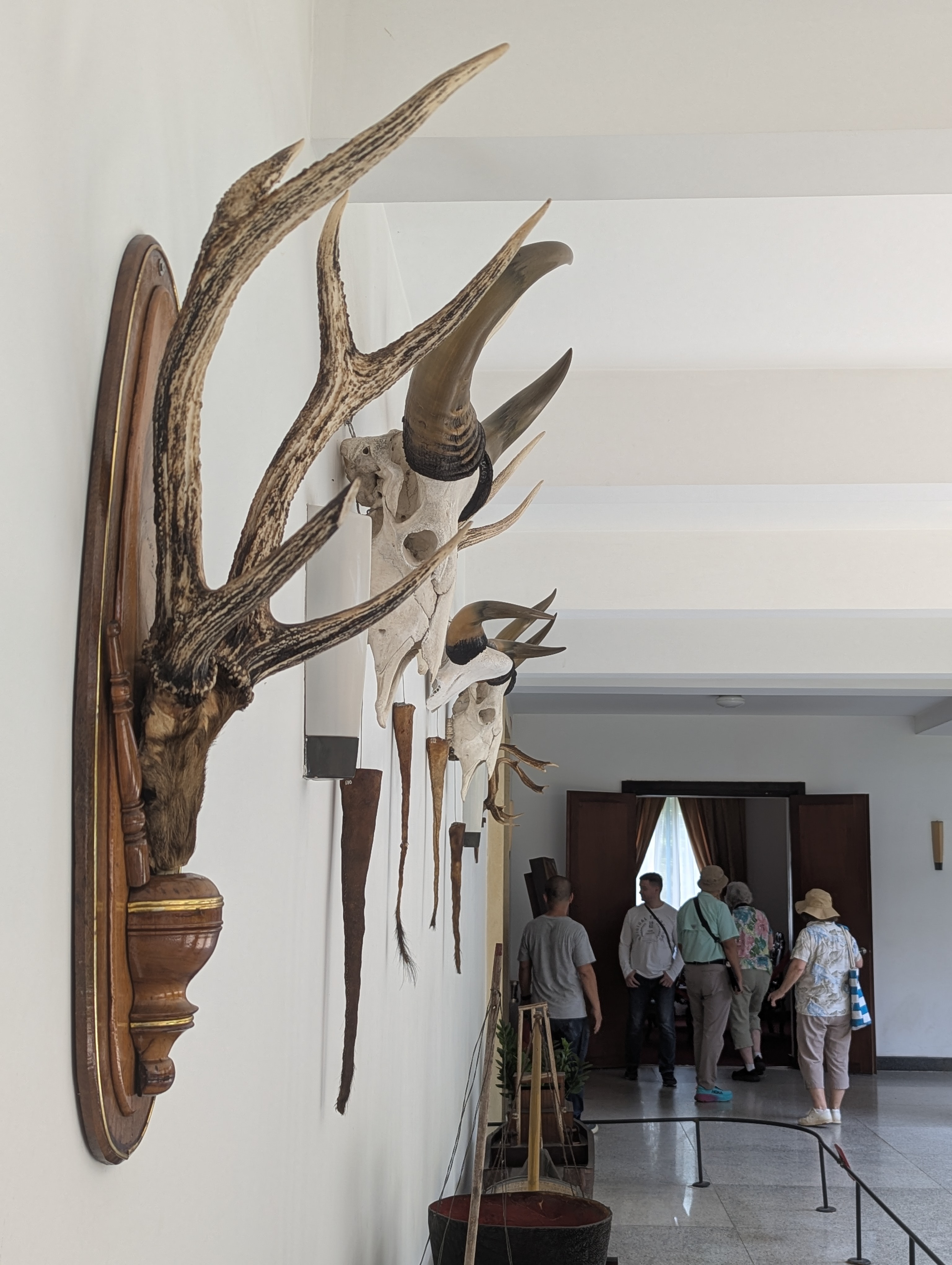
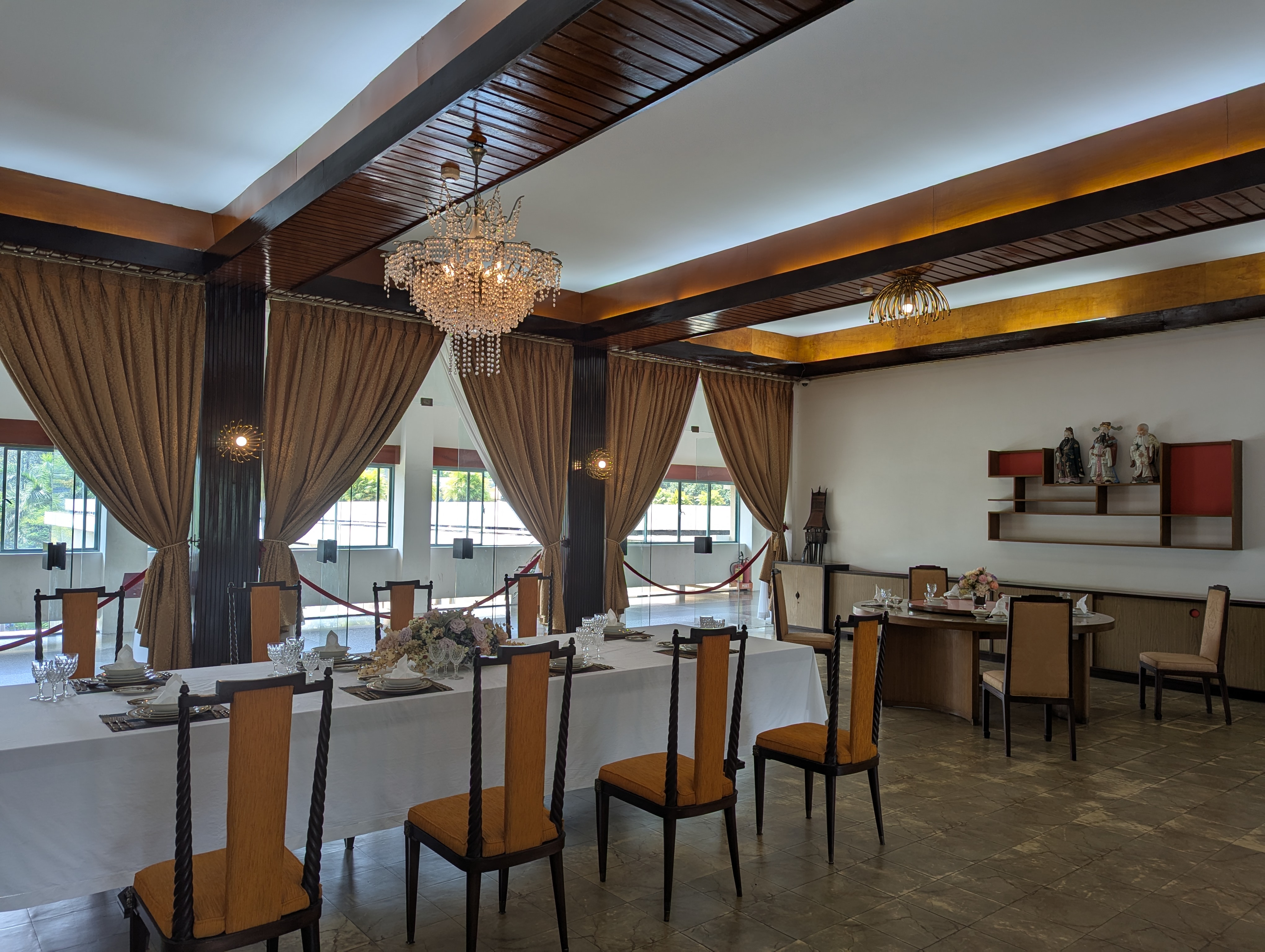
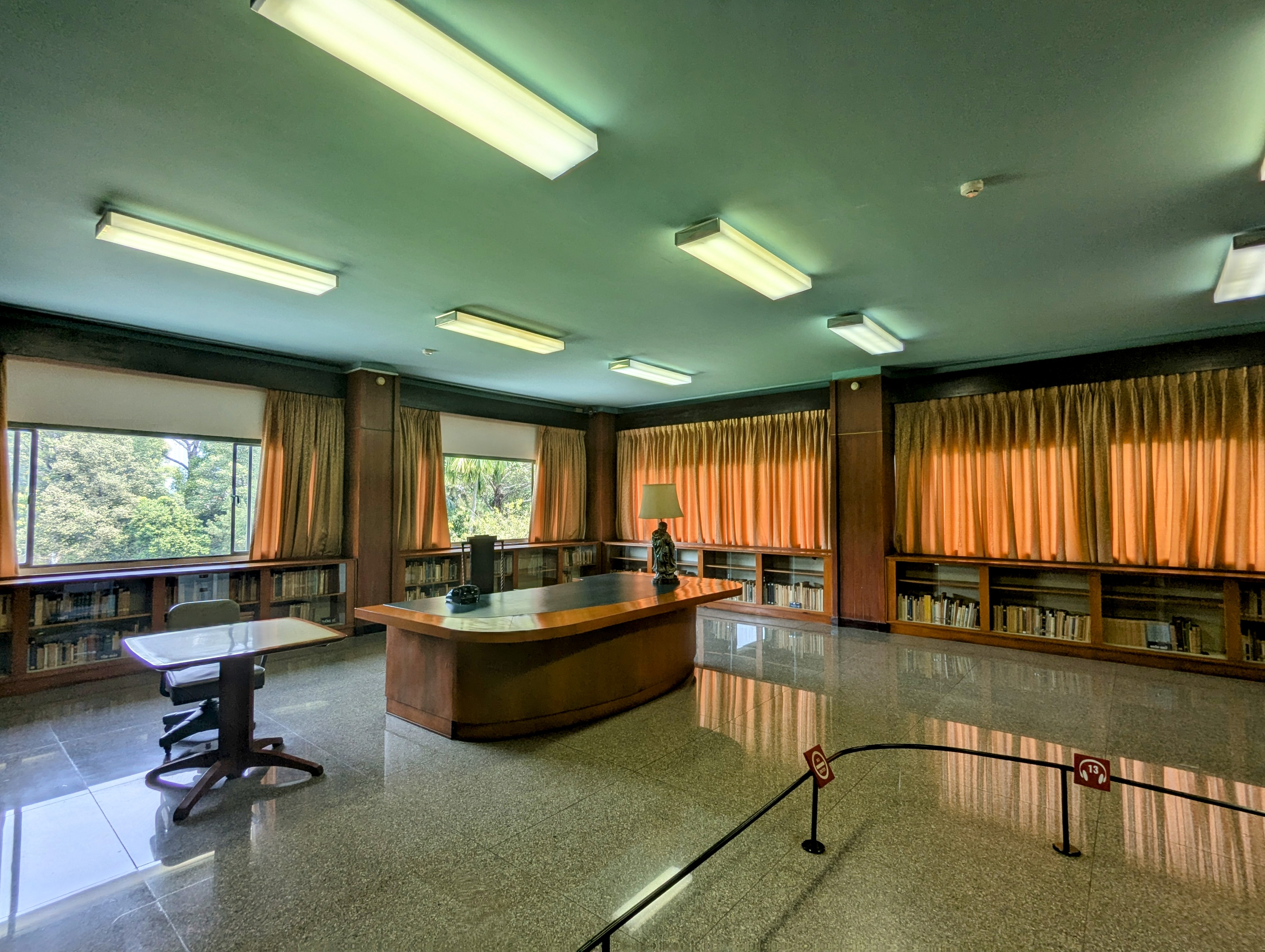
The private bedrooms, halls, kitchen, leisure spaces with pool table, piano and cinema – these all were put on display, with crystal clear walls and doors wide open. I even went down to see the bunker where the president’s family secured themselves during one of the bombing in the 1960s.
Next stop – Da Lat!
 romashos.blog
Leave a comment