Canadian Chapters – Exploring Local Gems in Ontario
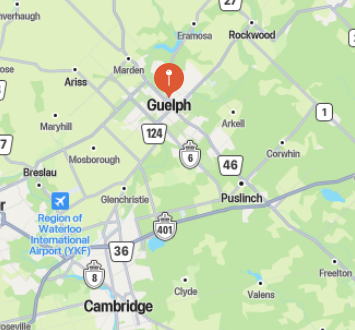
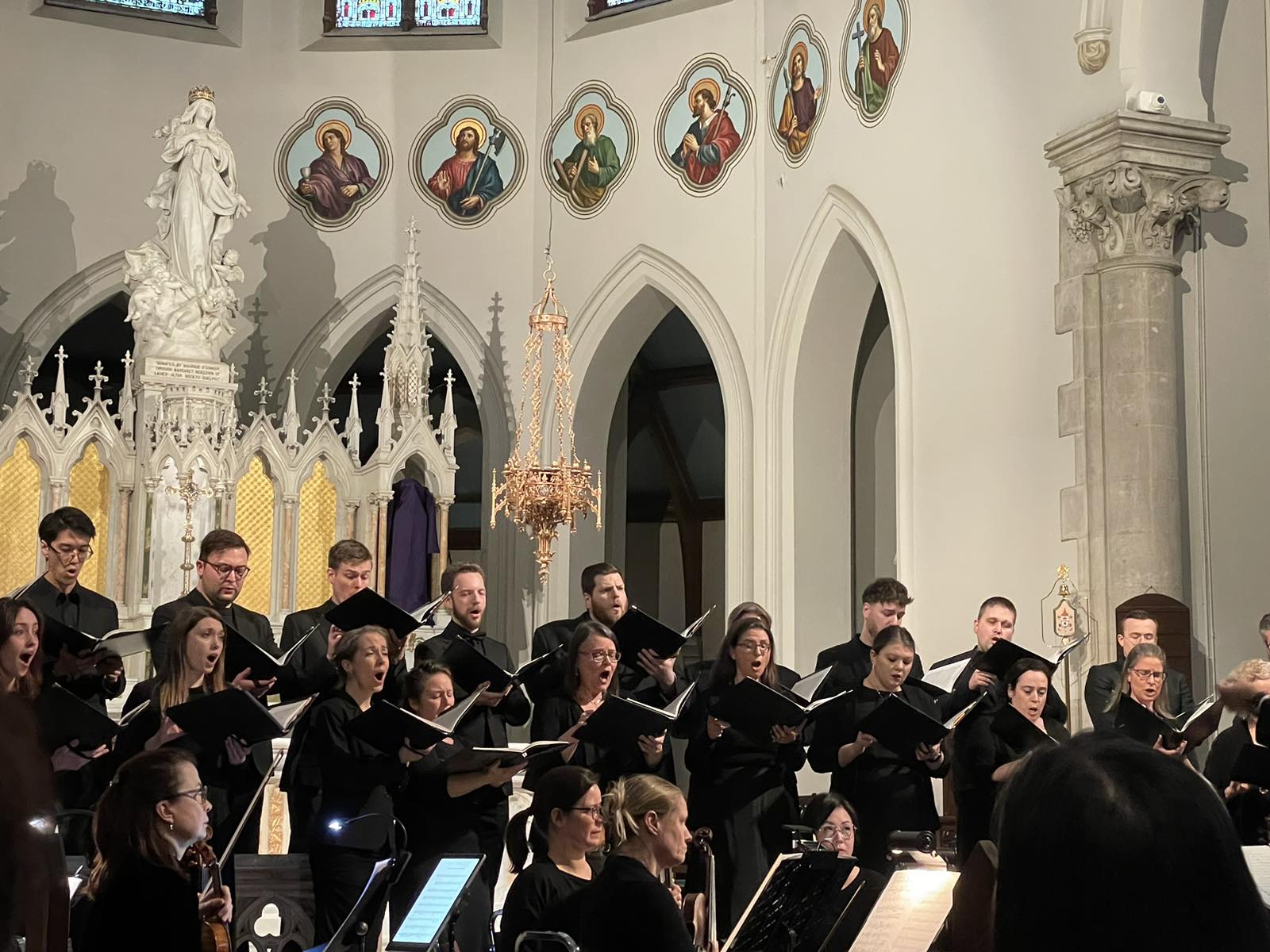
Like in most small (and not so small) towns in Canada, there is not much to do in Guelph. One of the reasons you might find yourself in Guelph is Basilica of Our Lady Immaculate, kayaking in the nearby conservation areas, or visiting your friend’s concert – that is what I did.
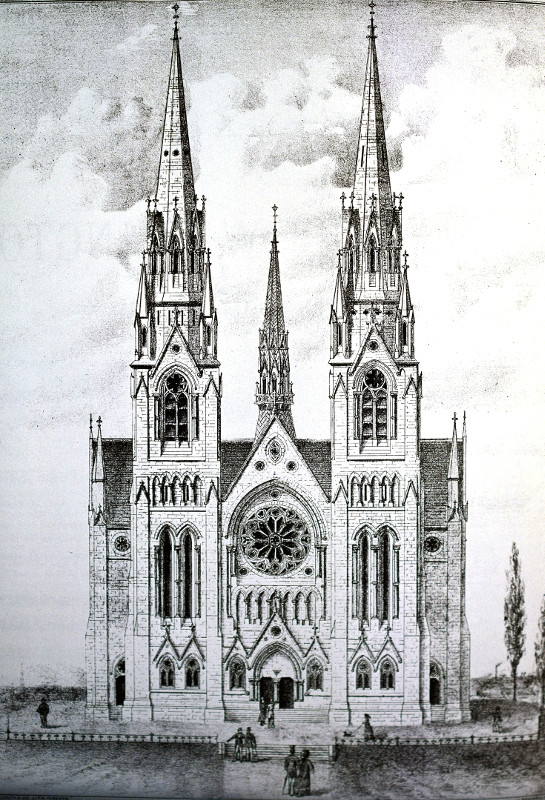
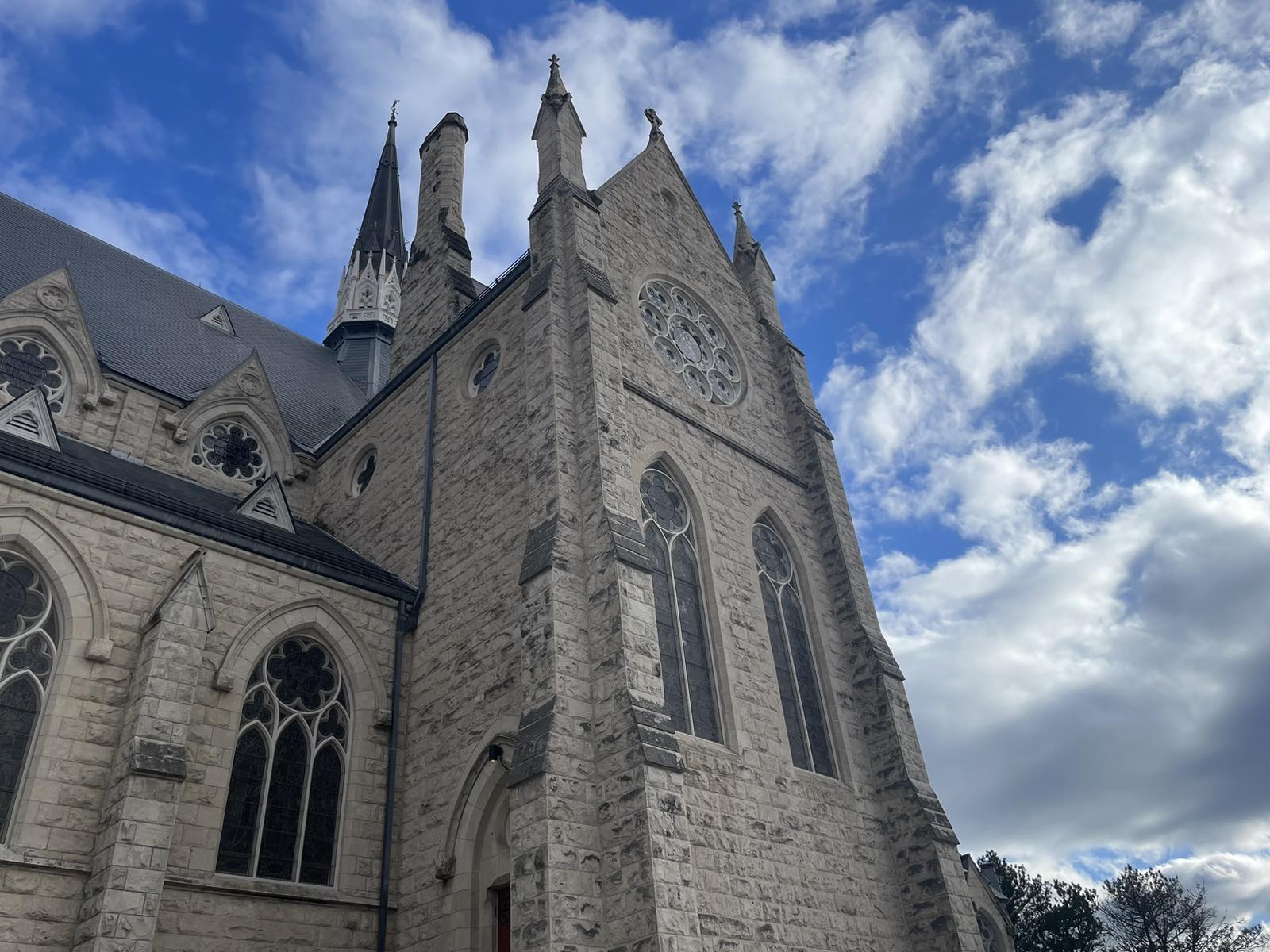
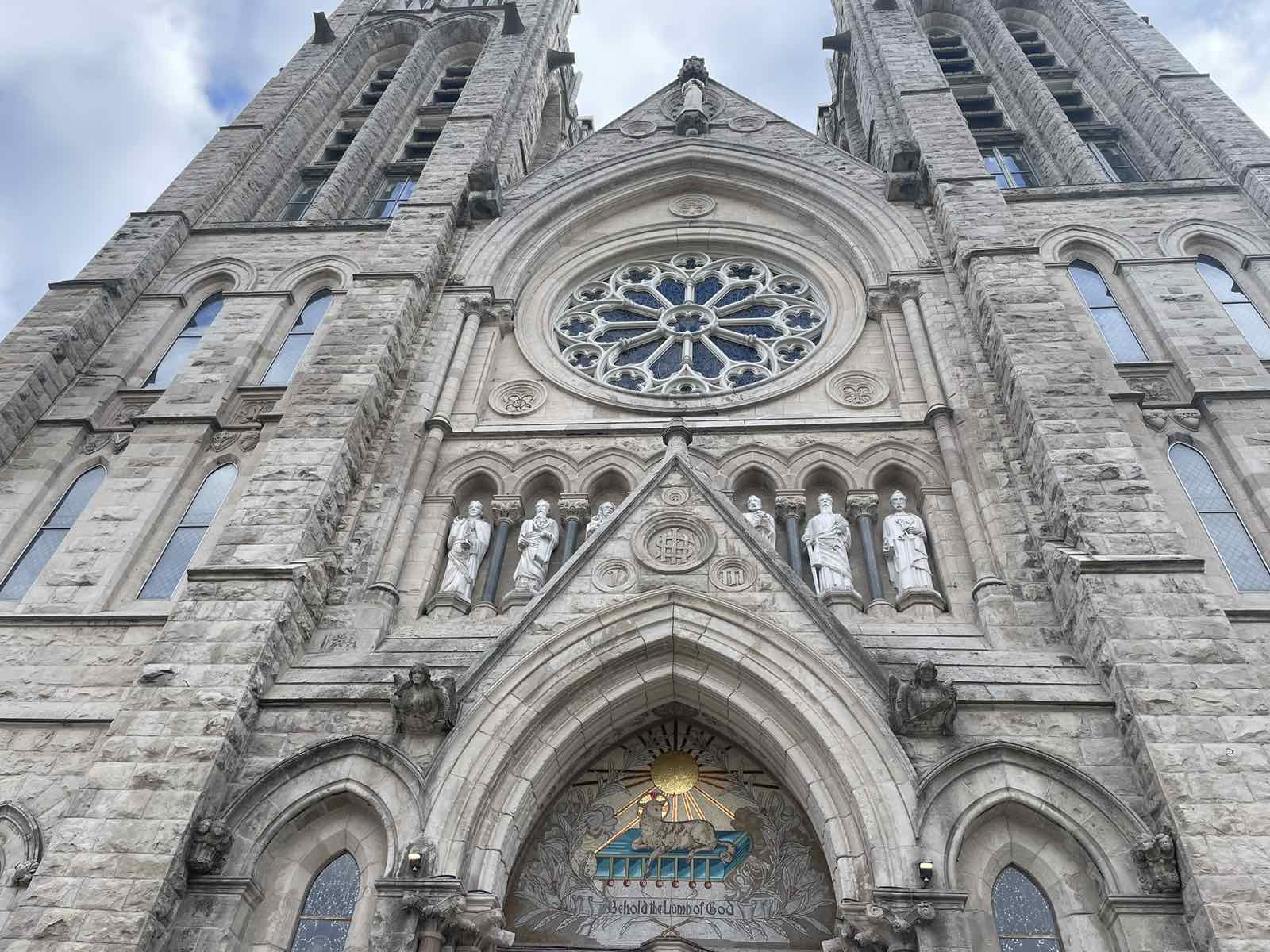
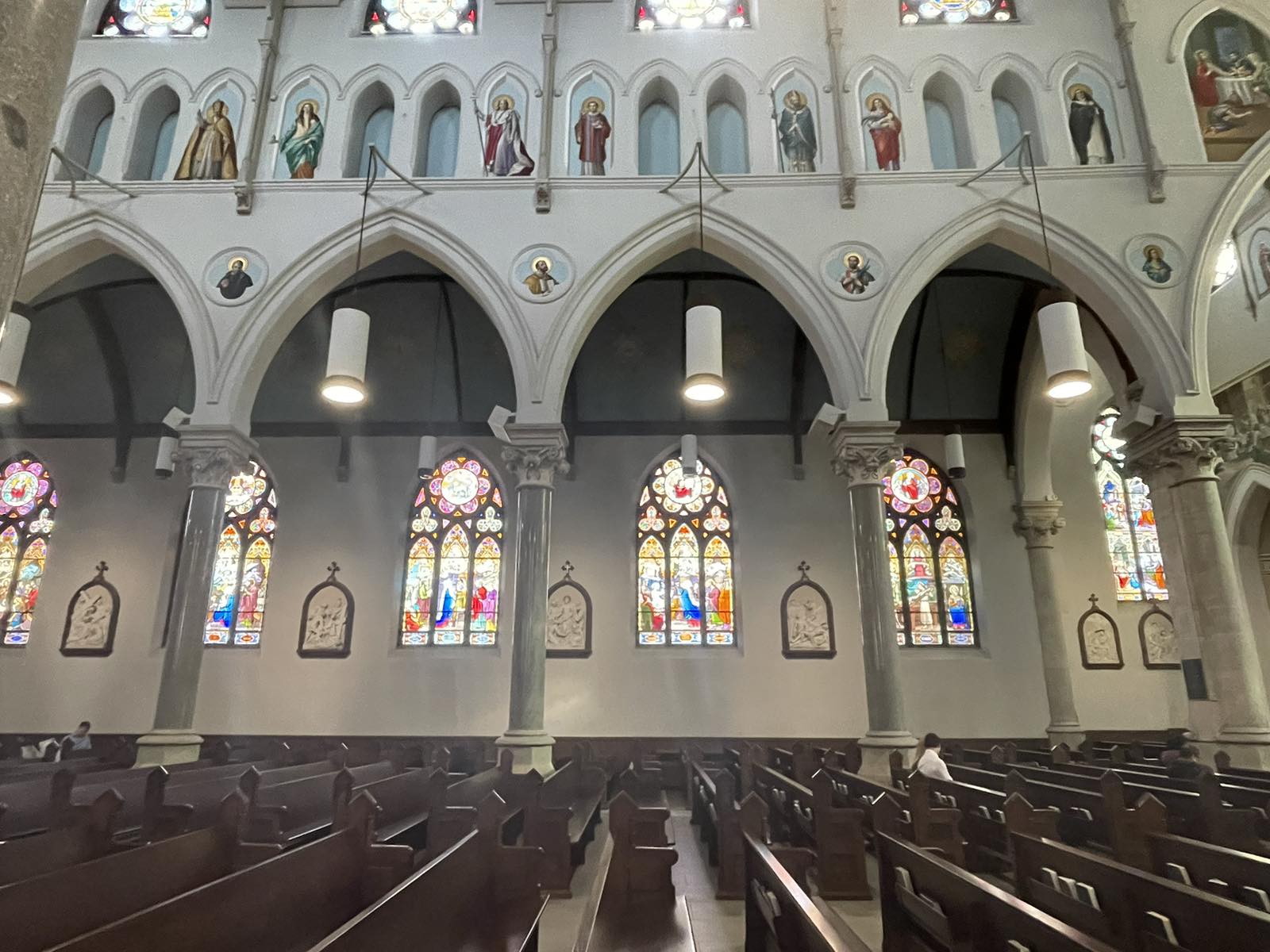
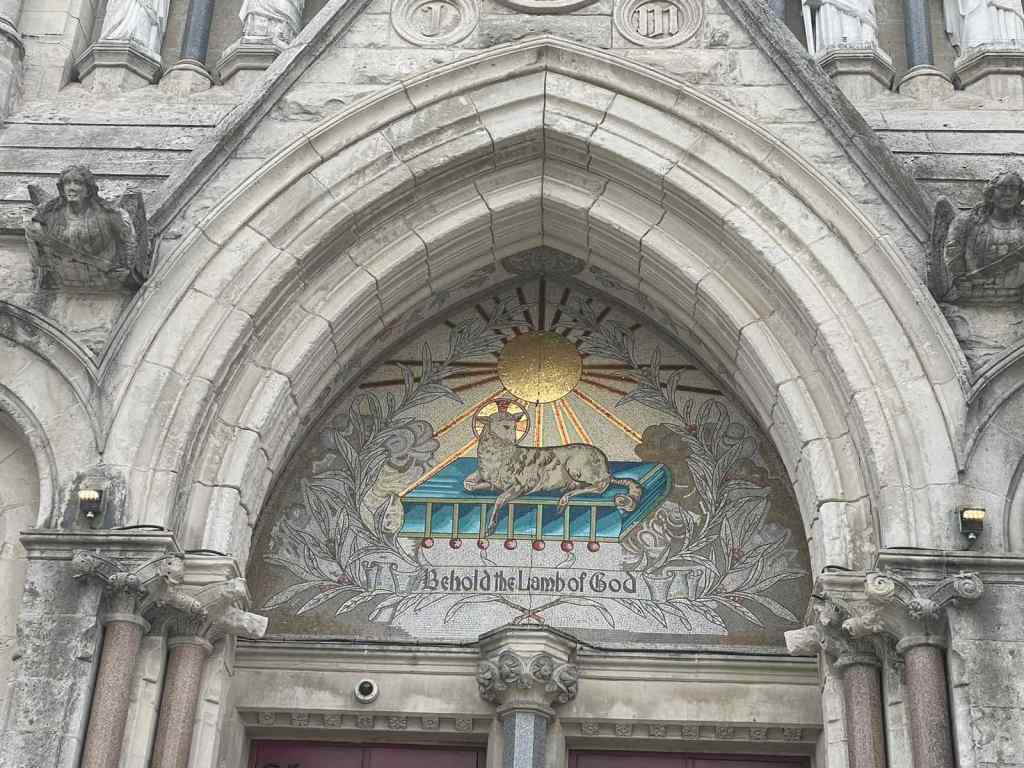
The Basilica was built in 1827 by the architect of Irish decent, Joseph Connolly. The ambitious project replaced the old church of St Bartholomew, and was never completed as planned, turning out to be too difficult for implementation. You can see how the present day basilica lacks the high peaks on the front entrance.
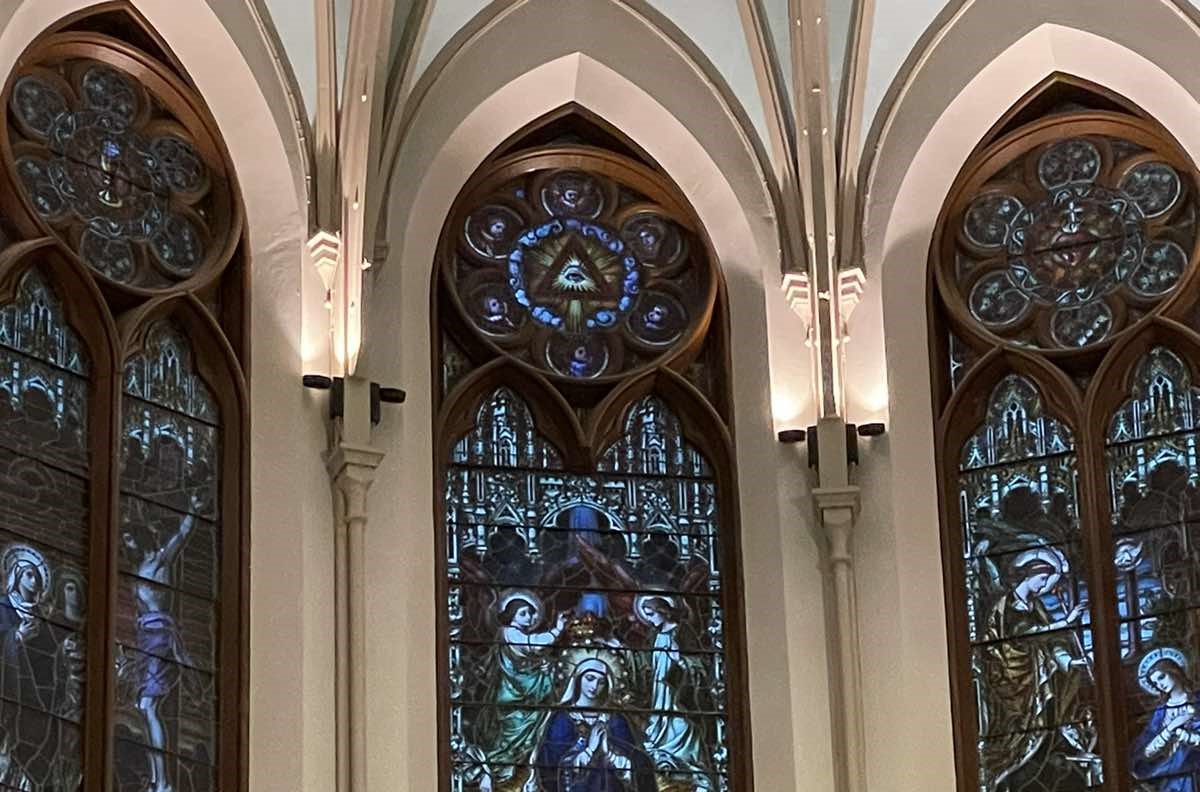
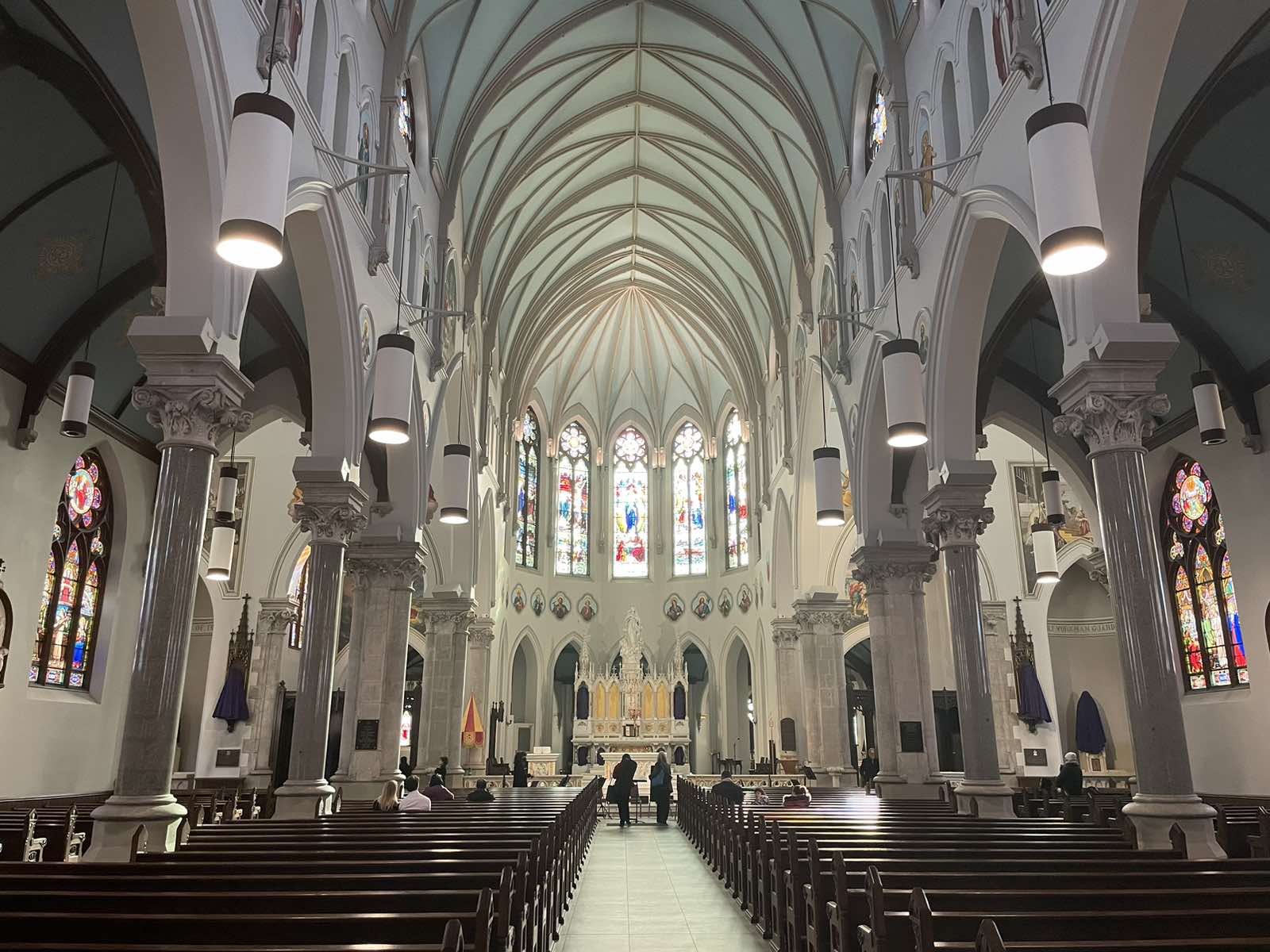
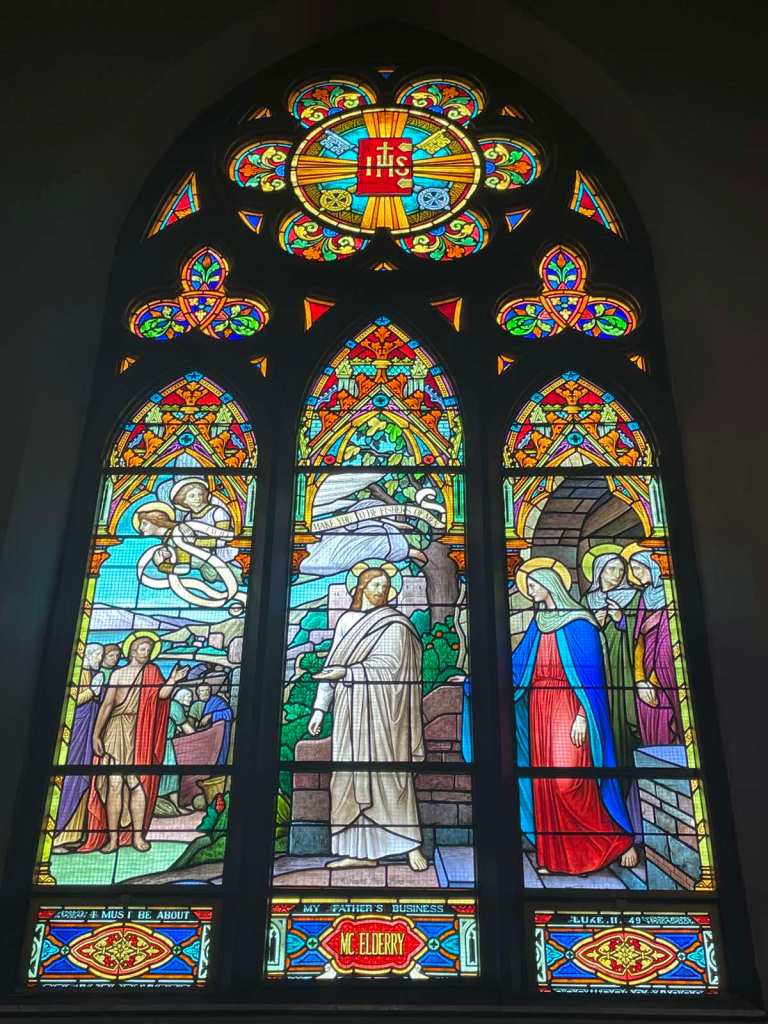
However, it does not take away its magnificent look and the feeling of sacred when you step inside. While enjoying the music, I was looking around and noticed the Eye of Providence right in the center window glass of the dome. The eye of Providence originated from the pagan myths of the Eye of Horus in ancient Egypt. Horus lost his eye in the battle with his brother Seth, but recovered it back with the help of his mother (?). As a result, it became the symbol of healing. Centuries later, the medieval secret organizations, including Freemasons, would adopt the traditional Eye of Providence as we know it now from the US 1-dollar bill and the Basilica of Our Lady Immaculate in Guelph 🙂
Interestingly enough, although Joseph Connolly built lots of churches around Ontario, including the one in Kingston (which I saw, but did not post the pictures of, whoopsie), I did not find any references or articles about him (or about his membership among Freemasons, lets be honest here) on the internet.
Guelph has a noticeable amount of streets named with some kind of royal references. The village of Guelph first came to existence in the first half of 19th century, thanks to John Galt. The village was in honor of the British royal family (Hanoverians), who in turn descended from Guelphs, highly influential family of mixed Italians and Germans.

 romashos.blog